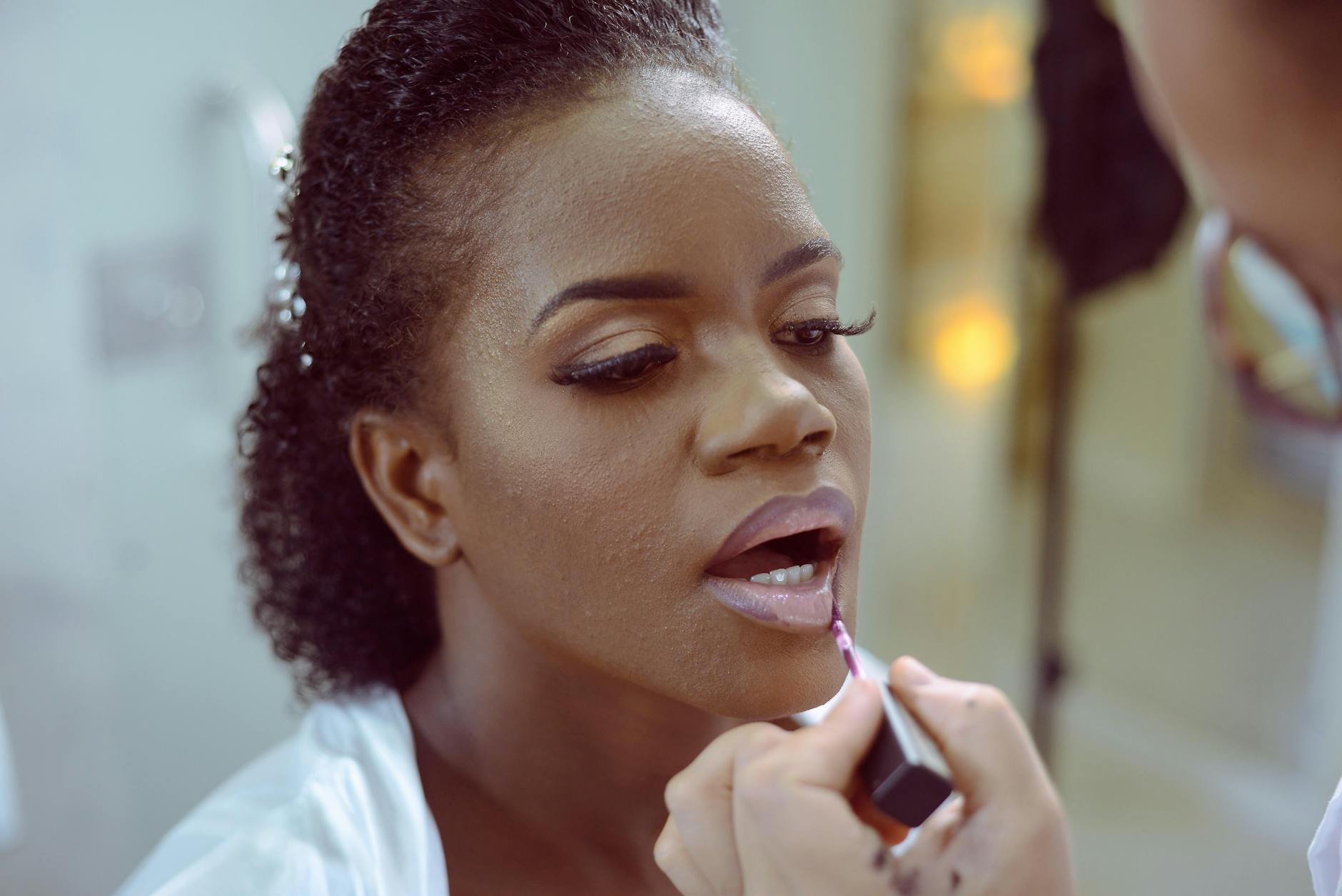





Your morning beauty routine doesn’t need to consume half your day. Professional makeup artists who work with tight deadlines have developed specific techniques that deliver polished results in minutes rather than hours.
Strategic Foundation Shortcuts That Actually Work
The biggest time drain in most makeup routines comes from overworking the base. Celebrity makeup artist Sarah Chen, who preps models for 6 a.m. shoots, applies foundation only where needed rather than covering the entire face. She focuses on the T-zone, under-eye area, and any blemishes, leaving naturally even-toned areas untouched.
Mixing moisturizer with foundation creates a tinted base that applies faster than traditional full-coverage formulas. This technique, popularized by editorial artists, provides buildable coverage while eliminating the need for separate primer application. The combination spreads more easily and blends into skin without the telltale streaking that requires additional time to fix.
Concealer placement matters more than coverage levels. Rather than dotting product randomly, makeup artist James Rodriguez draws triangular shapes under each eye and blends upward. This geometric approach brightens the entire eye area with three strategic strokes instead of multiple small applications.
Setting powder should target specific zones rather than the entire face. Focus on areas where makeup tends to slip throughout the day: the bridge of the nose, center of the forehead, and chin. This selective approach prevents the flat, cakey finish that comes from all-over powdering while maintaining longevity where it counts most.
Eye Makeup Efficiency Through Professional Techniques
Eyeshadow application becomes exponentially faster when you abandon the traditional light-to-dark gradient approach. Instead, start with the darkest shade in the outer corner and blend inward. This technique, used backstage at fashion weeks worldwide, creates dimension with fewer steps and eliminates the muddy results that come from building colors gradually.
Single cream eyeshadows applied with fingers deliver more impact than powder formulas requiring brushes and blending time. Makeup artist Lisa Park, who works with busy executives, recommends cream shadows in neutral tones that can be patted on and blended in under thirty seconds. The natural warmth from fingertips helps the product meld with skin for a polished finish.
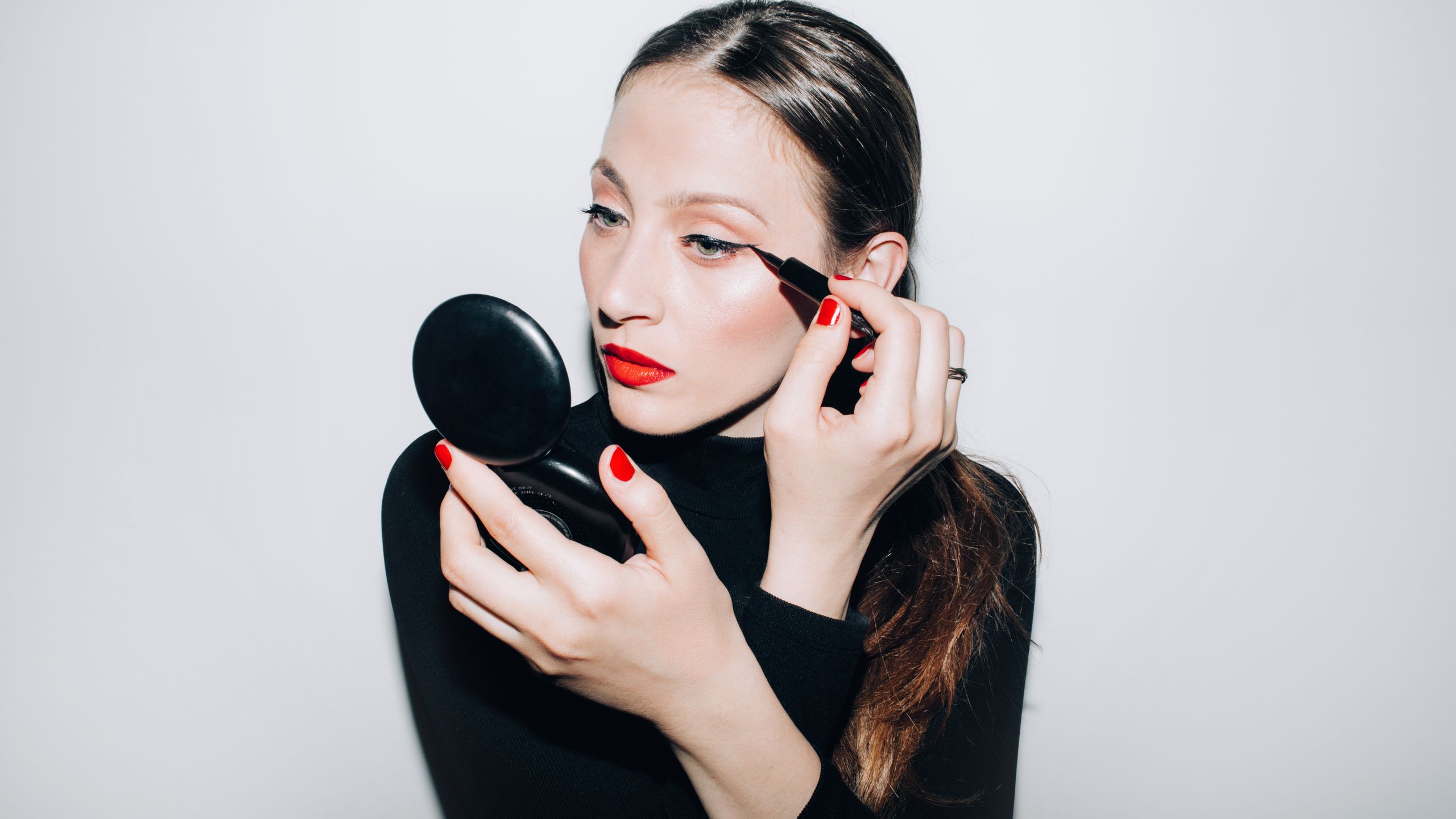
Eyeliner application speed doubles when you use the tightlining method instead of drawing a visible line along the lash line. Push liner into the spaces between upper lashes to define eyes without the precision required for winged or graphic looks. This technique creates the illusion of thicker lashes while being nearly foolproof to execute quickly.
Mascara efficiency comes from technique rather than product layering. Wiggle the wand at the base of lashes for three seconds, then sweep upward in one continuous motion. This method deposits more product at the roots where it creates the most dramatic effect, eliminating the need for multiple coats and the waiting time between applications.
Brow products should match your natural hair color exactly rather than going darker for definition. When the shade is perfect, you can brush product through brows with quick strokes without worrying about precise placement or blending. Makeup artist David Kim uses this approach with celebrity clients who need camera-ready brows in under two minutes.
Strategic Cheek and Lip Applications
Cream blushes outperform powder formulas when speed matters most. The key lies in application method: tap product onto the apples of cheeks with your middle finger, then blend upward toward temples. This creates natural-looking color placement in one motion, while powder blushes require brush selection, tapping off excess, and careful building of intensity.
Lip color becomes a multi-purpose tool when you choose the right formula. Tinted balms and lip stains can double as blush when patted onto cheek apples before setting with powder. This approach eliminates the need for separate cheek products while ensuring perfect color coordination between lips and cheeks. The result looks intentionally coordinated rather than accidentally matched.