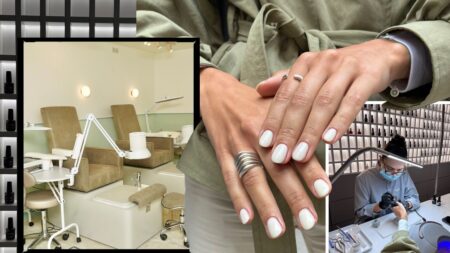





Seoul’s Best Shelves, Now Stateside
Korean beauty has spent the last decade quietly rewriting how American consumers think about skincare routines, makeup finishes, and hair care rituals. The innovation coming out of Seoul – layered essences, cushion compacts, fermented ingredients, glass-skin primers – has shifted expectations so thoroughly that finding these products locally has become less a luxury and more a baseline demand. The problem was always access. Flying to Seoul to stock up on favorites is not a realistic option for most people, no matter how devoted they are to their 10-step routine.
Allure has addressed that gap directly with a meticulously curated collection of the best Korean makeup, skin, and hair care products available to shop in the United States. The guide, published under their Starship Seoul editorial project, pulls together products across categories so that stateside shoppers can reach the same shelf that Seoul regulars have been pulling from for years.
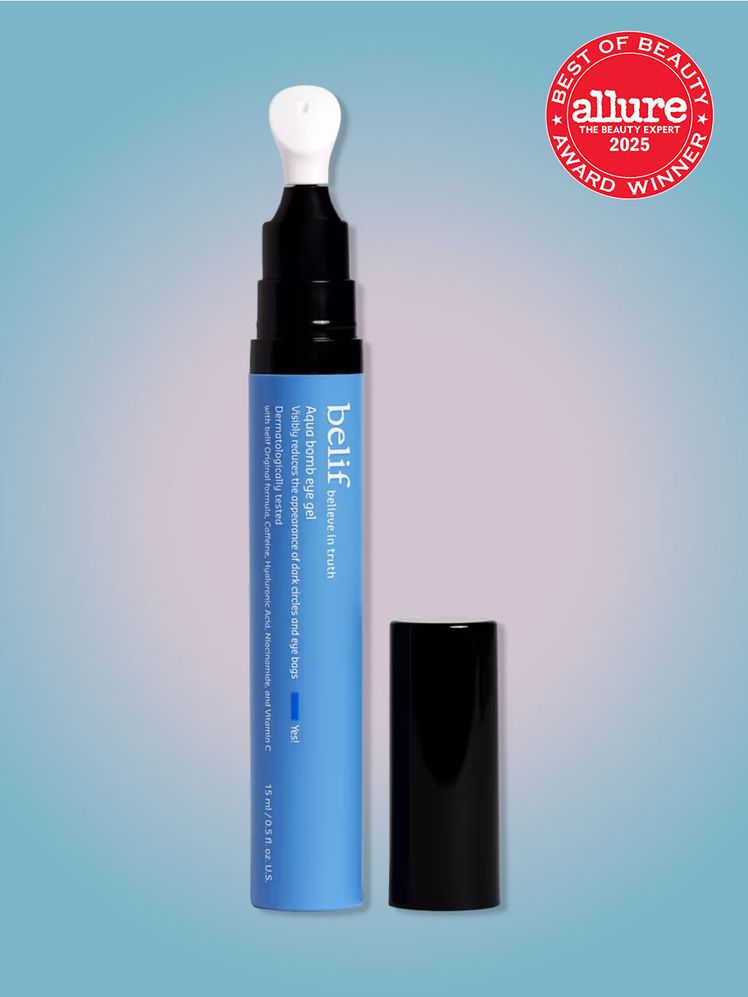
Why K-Beauty Curation Actually Matters
The Korean beauty market is enormous, and not everything that crosses borders does so with quality control intact. Some products get reformulated for Western distribution. Others arrive through third-party sellers without proper storage guarantees, which matters enormously for products built around live cultures, active peptides, or temperature-sensitive emulsions. A curated list from a publication with Allure’s testing infrastructure cuts through a market where the volume of options can work against the shopper rather than for them.
What makes K-beauty products worth the attention – and the sometimes elevated price point – is the philosophy behind the formulation. Korean skincare, in particular, prioritizes prevention and skin barrier maintenance over correction after damage has been done. That means ingredients like centella asiatica, snail mucin, niacinamide, and galactomyces ferment filtrate show up repeatedly across product categories, working in ways that Western dermatology took considerably longer to mainstream. The makeup category follows a similar logic: skin-first, buildable, and built to photograph well whether you’re under studio lights or a Seoul subway platform at 7 a.m.
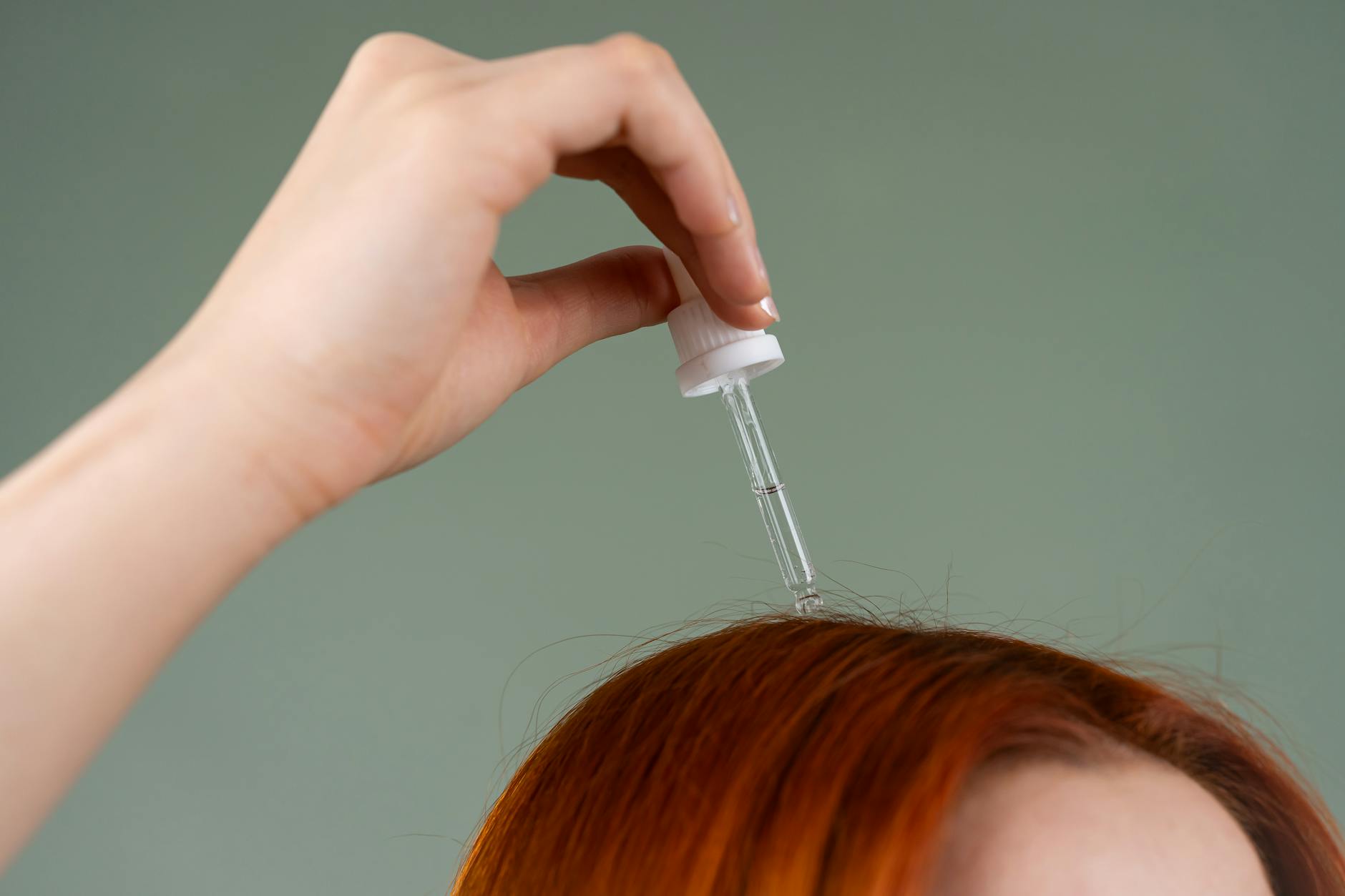
Hair care from Korea operates on a different axis than either the skincare or makeup categories. Korean hair culture prioritizes scalp health as the foundation for everything else – thickness, shine, growth rate – which is why you’ll find scalp serums, treatment ampoules, and fermented rice water rinses sitting beside what Western brands would classify as deep conditioners. The texture philosophy also differs: where American haircare has historically chased volume through inflation, Korean formulas often build strength and weight from the inside out, creating what stylists describe as a “healthy heavy” – hair that sits well because it’s actually in good condition, not because it’s been coated in silicone.
For anyone building a K-beauty routine from scratch, the Allure collection provides a starting point that doesn’t require fluency in Korean ingredient lists or a forwarding address in Seoul. The products span price points, skin types, and experience levels, which means a first-time buyer isn’t being handed a regimen designed for someone who has been double-cleansing since 2011. That accessibility matters – K-beauty’s reputation for complexity has historically been both its selling point and its barrier to entry. Amazon’s recent K-beauty sale events have shown just how strong American demand has become once the products are made genuinely easy to purchase.
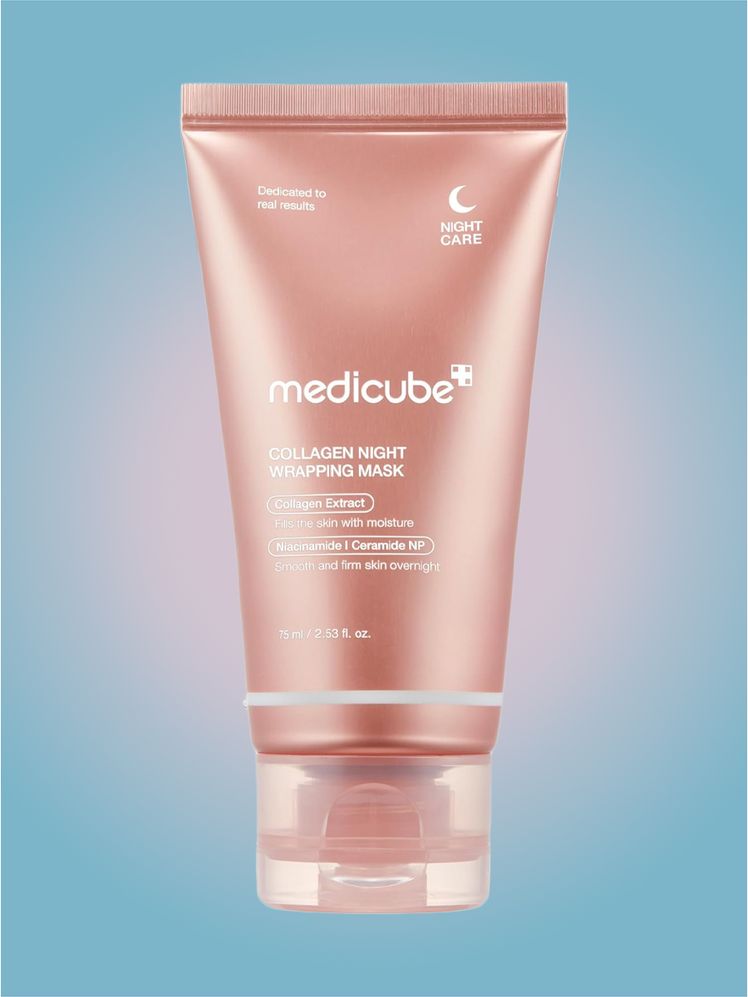
Makeup, Skin, and Hair – One Cohesive Edit
The fact that the Allure guide covers all three categories under one editorial umbrella is significant. Most K-beauty coverage in Western media has focused almost exclusively on skincare, treating the makeup and hair categories as secondary or supplemental. That framing has always undersold what Seoul’s beauty industry actually produces. Korean makeup – particularly its BB creams, lip tints, and cushion foundations – has driven global product development for over a decade, with Western brands reverse-engineering formats that Korean companies introduced years earlier.
Covering hair alongside skin and makeup also acknowledges how Korean consumers actually shop. The beauty routine in Korea is not siloed the way it tends to be in Western retail environments, where skincare lives in one department, hair in another, and makeup on a separate floor entirely. Korean beauty culture treats all three as interconnected, which is why a single curated guide spanning categories reflects how these products are actually meant to be used.
Shopping K-Beauty Without Leaving Your Zip Code
Access to Korean beauty products in the United States has expanded considerably, but it hasn’t expanded evenly. Depending on where you live, your local options might be limited to a single H Mart, a small section in an import shop, or whatever happens to have made it onto major retail platforms like Sephora, Ulta, or Amazon. Allure’s stateside-focused curation acknowledges that reality and works within it rather than defaulting to Seoul boutique recommendations that function more as aspirational content than practical shopping guidance.
The online availability of these products has also changed what “stateside shopping” means in practice. Many brands that previously sold only through Korean distributors or specialty importers now have direct-to-consumer US storefronts, which affects both pricing and product freshness. Buying directly from a brand’s US site rather than through a third-party reseller means better odds of receiving a product within its optimal use window – particularly important for anything fermented, active, or packaged in a format that degrades with light or heat exposure.
What Allure has essentially built with the Starship Seoul guide is a translated version of the Seoul shopping experience – not a copy, but a functional equivalent for the American consumer who wants access without the frequent flier miles. The question worth sitting with, given how fast Korean beauty trends move, is whether any single curated list can stay current long enough to be the definitive resource it aims to be, or whether the category’s own velocity will demand a new guide before the ink dries on the last one.