




The Case for Rethinking How You Apply SPF
Sunscreen sticks have quietly become the format dermatologists and parents reach for first – not because they’re trendy, but because they actually work in real-life conditions.
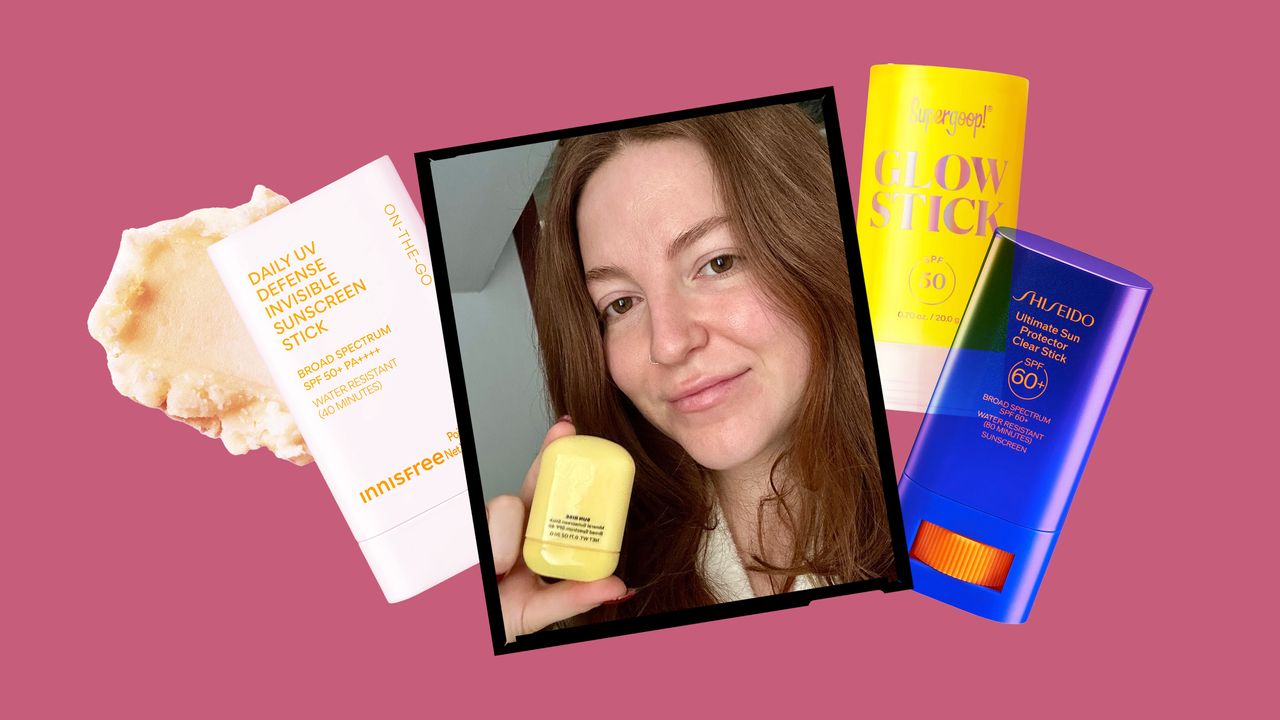
Why the Stick Format Changes the Application Game
Most people skip reapplication not because they forget, but because the process is inconvenient. Liquid and lotion sunscreens require clean, dry hands, a flat surface to set your bag down, and at least a minute of rubbing before you look presentable. A stick eliminates every one of those friction points. You cap it, pocket it, and move on. That’s not a small thing when you’re at a beach, on a hiking trail, or chasing a toddler across a playground.
The mess-free application is especially significant for parents. Anyone who has tried to apply traditional sunscreen to a moving child knows what it means to lose half the bottle to the sand or spend five minutes wiping lotion off a car seat. Sticks give you control – targeted coverage exactly where you aim it, with zero drip and no greasy residue transferring onto everything else the child touches for the next hour.
The format also travels without drama. No TSA liquids restrictions, no lid popping in a hot car, no finding a pump bottle completely empty because it leaked into the bottom of a tote bag. The stick is self-contained in a way that lotions structurally cannot be. For anyone whose sunscreen routine has been derailed by a packaging failure, that reliability starts to feel like the most important feature on the label.
Coverage quality used to be the knock against sticks – early versions left a waxy, uneven film that required aggressive buffing to look normal on skin. Formulations have improved significantly. The best options now blend the way a lightweight lotion would, with broad-spectrum protection that doesn’t compromise to get there. The SPF numbers hold up. The finish is wearable. And the application still takes less than thirty seconds.
What Actually Separates a Good Stick from a Mediocre One
Texture is where most sticks fail. A formula that drags across the skin rather than gliding creates uneven coverage, and uneven coverage means gaps in protection – spots that get the full SPF value and spots that get almost none. When testing sticks, the glide matters as much as the SPF rating printed on the label.
Finish is the second variable that determines whether a stick becomes part of someone’s actual routine or ends up forgotten in a drawer. Sticks with a heavy white cast work fine on children who aren’t self-conscious about it, but most adults won’t consistently apply something that makes them look visibly coated. The options that perform best are formulas that go on white but buff to a near-transparent finish within seconds, without requiring a full skincare-routine level of blending.
Ingredient lists on sunscreen sticks vary more than the category’s casual reputation suggests. Mineral formulas – built around zinc oxide or titanium dioxide – tend to be the preference for sensitive skin, children, and anyone who reacts to chemical UV filters like avobenzone or oxybenzone. Chemical formulas often deliver a thinner feel and a faster vanish on skin, which makes them easier to wear daily under makeup. Neither is categorically better. The right choice depends on skin type, lifestyle, and how the stick will actually be used.
The stick’s physical size matters more than it sounds. A stick that’s too narrow requires multiple passes to cover a full cheek or the back of a hand. One that’s too wide becomes awkward to use precisely around the nose or eye area, which is exactly where most people under-apply. The best designs sit somewhere in the middle – wide enough to cover ground quickly, narrow enough to still be accurate.
Water resistance ratings are worth reading carefully on any sunscreen, but especially on sticks, which are often used in outdoor or active settings where sweating and swimming are part of the equation. The FDA allows “water resistant (40 minutes)” and “water resistant (80 minutes)” as the only two approved claims. A stick without either of those labels isn’t guaranteed to hold up once you’re wet, which is a problem if the whole reason you brought it was for a day outside.
Building a Real Sunscreen Habit Around a Stick
Sticks work best when kept accessible rather than stored with the rest of the bathroom cabinet. A stick in a bag, in a car console, or clipped to a stroller means it gets used on the way out the door rather than remembered after the fact. The format’s portability is only an advantage if the stick is actually with you when the sun is.

Reapplication every two hours is the recommendation that almost no one follows with a lotion and almost everyone can actually manage with a stick. It takes seconds, it doesn’t require removing makeup or washing hands first, and it doesn’t create a mess in whatever environment you’re in. That practical gap – between what’s recommended and what people realistically do – is where the stick format earns its place in a routine. Whether a stick replaces your morning SPF entirely or just handles the reapplication problem is a personal call. But having one within reach answers a question most sunscreen routines quietly leave open.