



A Deal on Paper, a Standstill at Sea
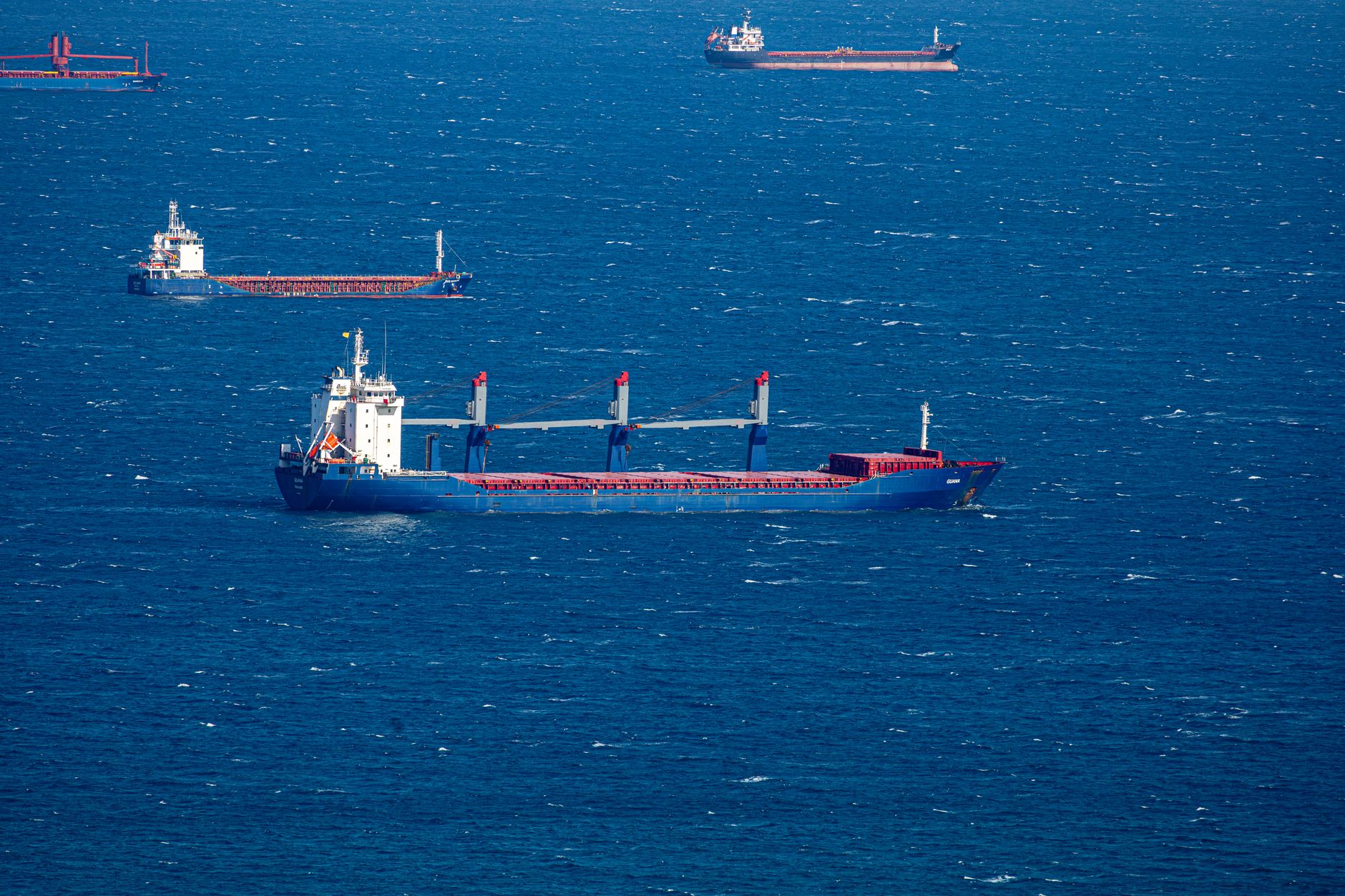
Fashion’s global supply chain runs on timing – and right now, the clock is stuck. With a U.S.-Iran agreement set to be formally signed Friday, the instinct might be to exhale. But carriers and shipowners are not moving. The Strait of Hormuz, one of the world’s most critical chokepoints for seaborne trade, remains effectively off-limits for commercial shipping, and the industry’s reluctance is rooted in something the deal has not yet answered: who guarantees the water is actually safe?
Unresolved security questions are keeping both carriers and shipowners firmly on the sidelines, even as diplomatic signatures approach.
For fashion and apparel brands that depend on goods moving through the Persian Gulf – textiles, finished garments, raw materials – the freeze means uncertainty continues regardless of what gets signed in a conference room.
Why a Diplomatic Signature Doesn’t Move a Ship
The shipping industry operates on risk calculation, not political optimism. A deal between the U.S. and Iran may signal a de-escalation at the governmental level, but shipowners face a different set of variables entirely. Insurance underwriters need to reassess war-risk premiums. Security firms need to confirm what naval presence, if any, will patrol the strait. Crews need assurance that a flag on a vessel won’t make it a target. None of those answers have materialized ahead of Friday’s signing.
The Strait of Hormuz handles an enormous volume of global trade, and any route through it carries layered exposure – not just to geopolitical flare-ups but to the practical realities of operating in a corridor where conflict was recent, documented, and unresolved at the operational level. The deal, as reported, addresses the war’s end between the U.S. and Iran, but the shipping industry’s concern is not only about those two nations. Regional actors, proxy dynamics, and the physical condition of safe passage infrastructure all factor into whether a ship’s captain is willing to transit.
Fashion supply chains that rely on Gulf routing have already rerouted, delayed, or absorbed cost increases. Reverting to Hormuz passage requires more than a headline – it requires a documented, verifiable security framework that has not yet been presented to the industry.
What the Fashion Industry Is Watching
Apparel sourcing teams are closely tracking any signal that carriers intend to return to Hormuz routes, because the ripple effect on lead times and freight costs is direct. When major shipping lanes become inaccessible or high-risk, brands face a compounding problem: longer routes mean higher fuel costs, which get passed through the chain; delayed arrivals mean missed retail windows, particularly damaging for seasonal collections; and limited carrier availability on alternative routes drives spot rates up.
The fashion calendar does not pause for geopolitics.
Spring/summer deliveries, fabric sourcing for fall production, and the accelerating pace of fast fashion restocking all sit against a backdrop of a freight market that is watching Hormuz with caution rather than confidence. Brands that locked in contracts before the conflict escalated are now navigating the gap between what they agreed to pay and what moving goods actually costs. Smaller labels without the leverage to renegotiate terms are absorbing those differences directly into margin. That pressure does not disappear because a deal gets signed – it eases only when ships actually move through the strait again, and at rates the market accepts as normal.

The Gap Between Agreement and Action
There is a meaningful distinction between a war ending and a trade route reopening, and the shipping industry is currently living inside that distinction. Carriers and shipowners have not returned to Hormuz because the conditions that would make return commercially viable – stable insurance rates, confirmed security protocols, and demonstrated safe passage – have not been met. Friday’s signing changes the diplomatic status of the conflict. It does not change the actuarial math that underwrites a vessel’s transit.
For fashion brands monitoring sourcing routes, the question is not whether the deal gets signed. It is how long the gap between signature and resumed commercial shipping will last – and whether that gap creates another round of cost absorption, delayed launches, or sourcing pivots that their production calendars cannot easily accommodate.
The last ship that turned back from Hormuz did so because the risk was unacceptable. That calculation hasn’t changed yet.