





Wedding Season Has a Dress Code Problem – And a Fix
Summer weddings are multiplying on calendars, and with them comes the recurring dilemma that has nothing to do with gifts or travel: what to actually wear. The challenge is not simply finding a dress that looks good in photos. It is finding one that survives heat, survives dancing, and does not betray you with sweat marks or wrinkles by the time the cocktail hour begins.
To address that, editors at Refinery29 pulled together 24 summer wedding guest dresses spanning every dress code – beach-casual to black-tie formal – sourced from retailers that include Dôen, Free People, Zara, Old Navy, Reformation, ASOS, Lulus, H&M, Show Me Your Mumu, Never Fully Dressed, and Arrange Curve. Prices run from $50 to $600, and sizing spans a wide range across all silhouettes.
The Black-Tie Problem Is Mostly a Color Problem
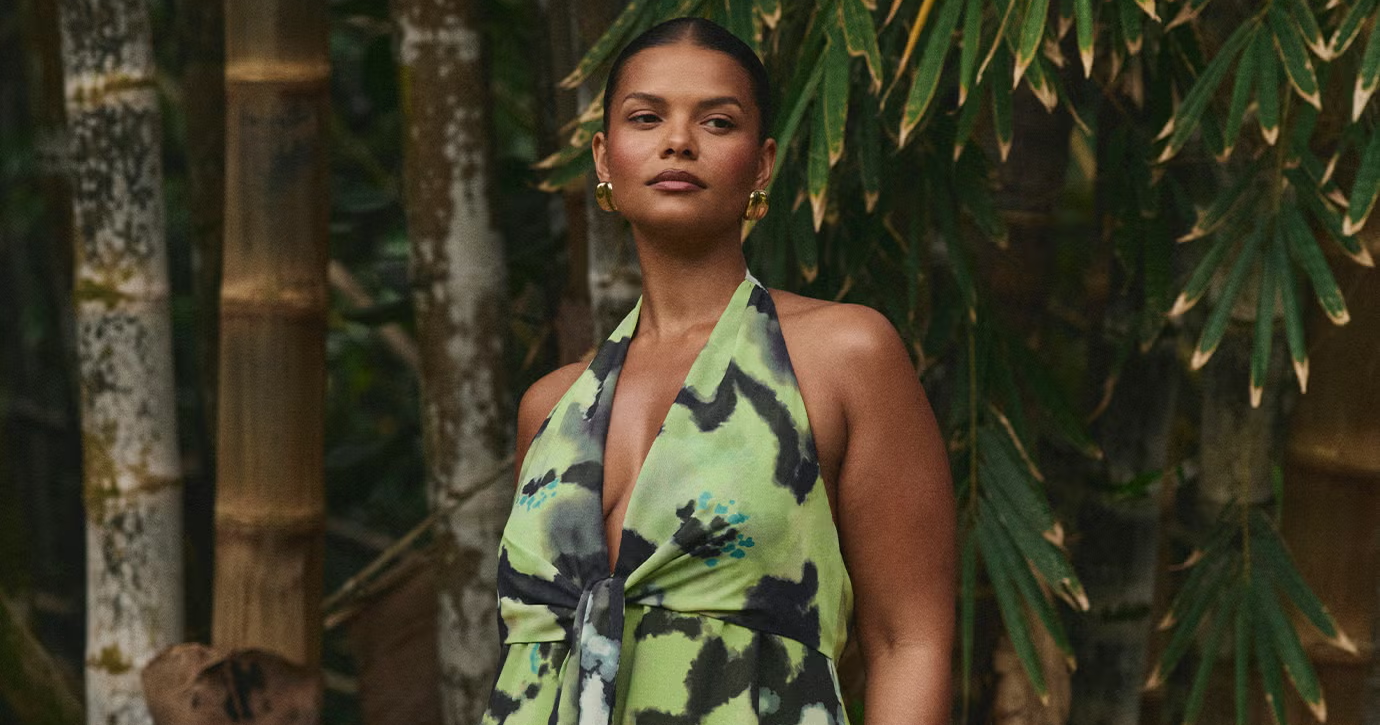
There is a persistent myth that summer black-tie means a floor-length black gown. It does not. The formal dress code calls for floor-length silhouettes, yes, but the season opens the door to color – bold color, saturated color, the kind of color that reads as intentional rather than accidental. Classic column and slip silhouettes hold up reliably in this category. So do less expected choices: sequined florals, cascading cape sleeves, Grecian drape construction.
Several specific picks address this directly. The Never Fully Dressed Sapna Dress with Ring Detail, available at Never Fully Dressed, offers architectural detail without the weight of heavy fabrication. The Arrange Curve Drop Waist Grecian Draped Cape Sleeve Maxi Dress from ASOS handles both the formality requirement and the summer heat through its draped, flowing structure – and it is cut for curve sizing, which makes it notable in a category where options often narrow fast. The Lulus Plisse One-Shoulder Maxi Dress brings texture into the equation through its pleated fabrication. Show Me Your Mumu’s Edina Maxi Dress skews toward the festive. Reformation’s Frankie Dress stays closer to the minimal end. The H&M Draped Jersey Dress rounds out the category at the more accessible price range.
What connects these choices is not a single aesthetic but a shared logic: floor-length proportion, temperature-conscious fabric, and enough visual presence to read as dressed-up rather than dressed-down. Summer black-tie is the dress code most likely to be misread, and the distinction between a maxi dress that works and one that does not often comes down to how it handles weight and structure in warm weather.
Cape sleeves and one-shoulder cuts both solve the same problem from different angles – they reduce fabric contact with the body while maintaining the visual coverage that formal dress codes expect. That is not a stylistic accident. It is practical construction dressed up as aesthetic choice.
Beach Ceremonies and Casual Codes Demand Fabric First
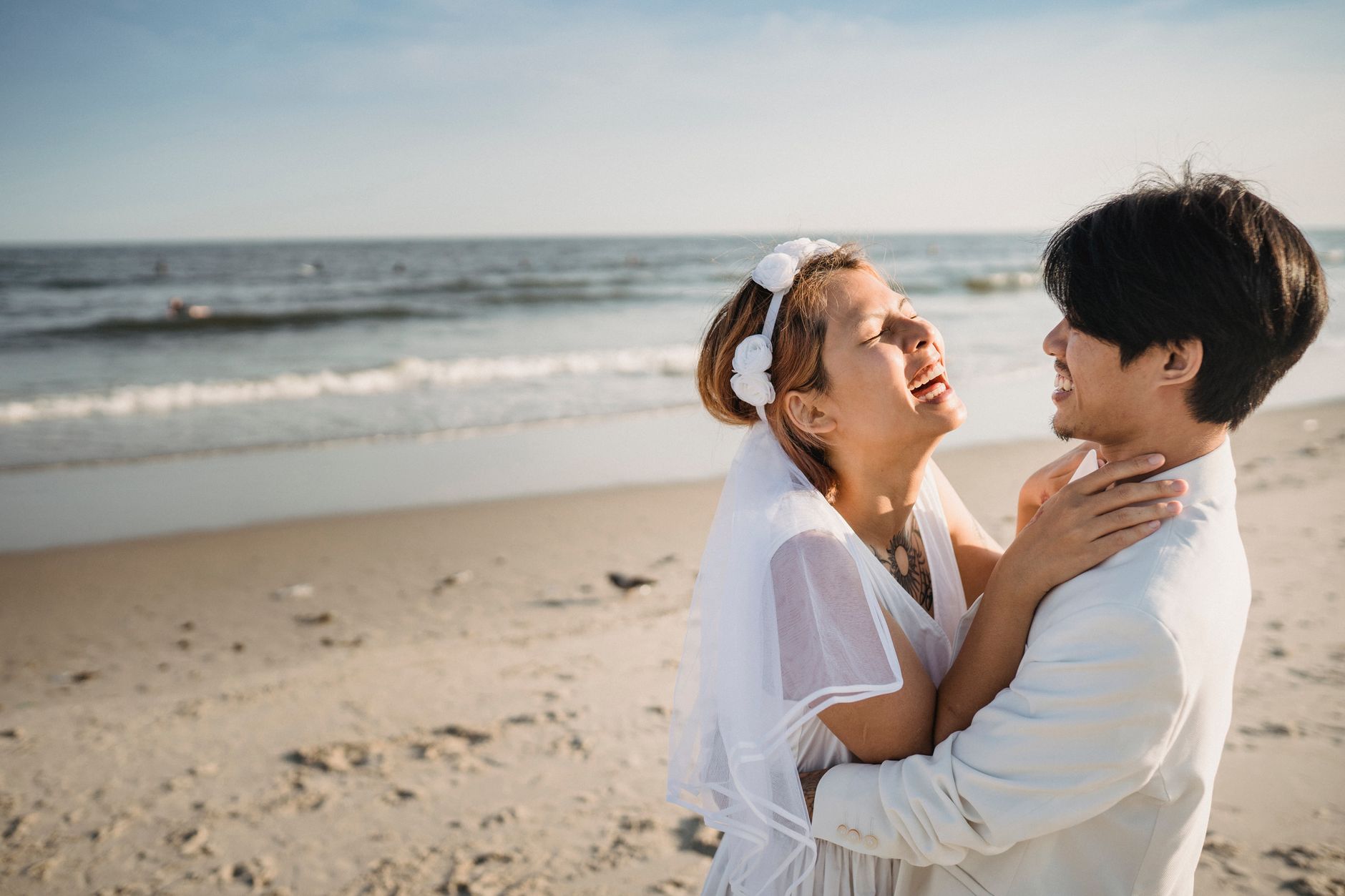
Beach weddings operate under entirely different physics. Sand, wind, and uneven terrain make floor-length gowns genuinely difficult to navigate. The dress codes at outdoor coastal ceremonies tend to run casual to cocktail, which expands the options considerably – midi lengths, wrap silhouettes, and lightweight cotton or linen fabrics all work here without reading as underdressed.
Linen specifically comes up in this context as a fabric that handles humidity reasonably well and holds its structure without heavy interfacing. The wrinkle issue is real – linen will crease – but a dress designed with that texture as part of its character reads differently than a dress that is simply rumpled. Retailers like Free People and Dôen, both named as Refinery29 reader favorites, have built significant portions of their summer lines around exactly this fabrication logic.
On-Trend Red Is Having a Specific Moment
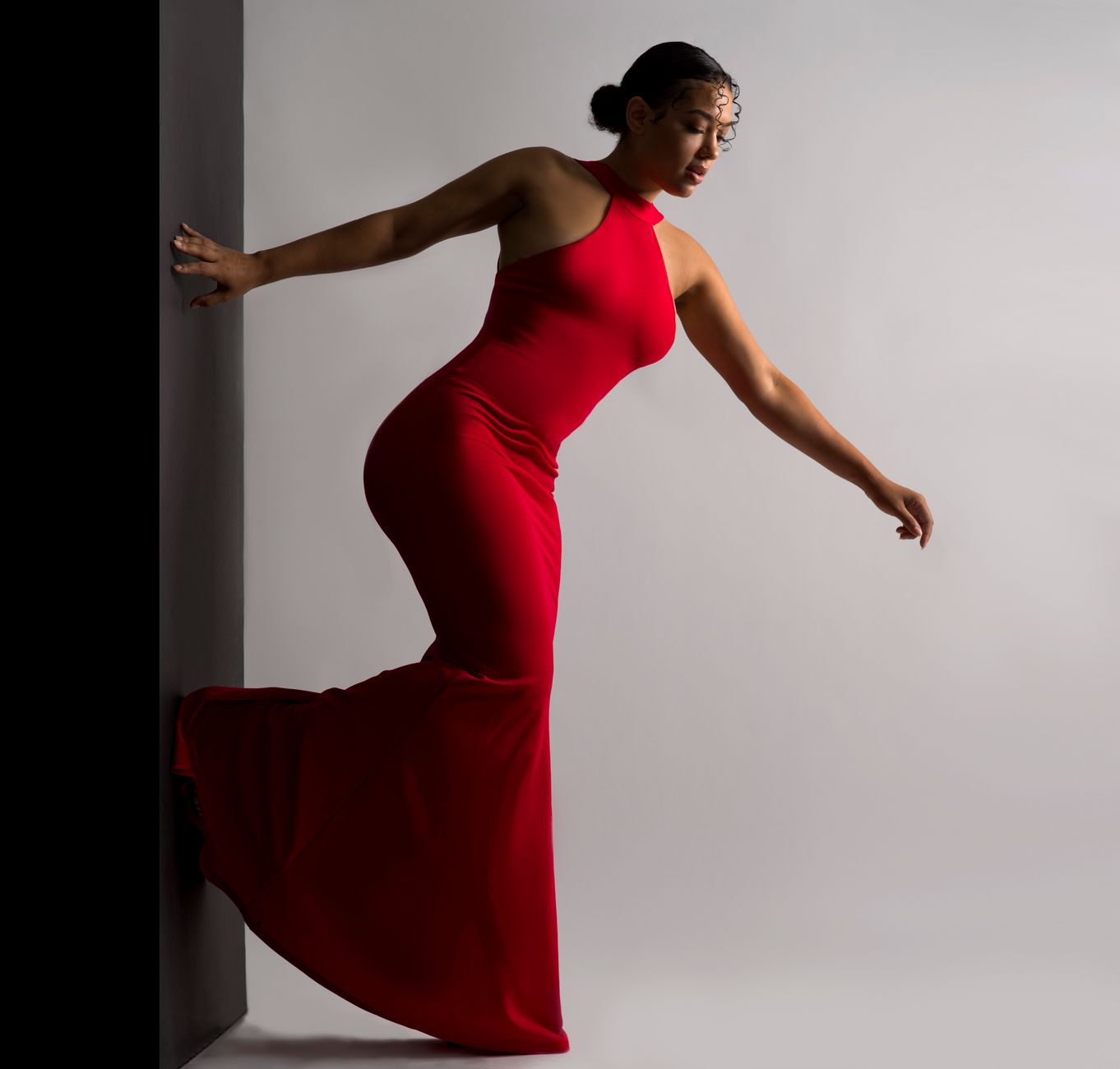
Red as a wedding guest color has historically been treated as risky, associated with the old rule that guests should not wear anything that draws attention from the couple. That calculation has shifted. Red is showing up in the Refinery29 edit as an explicitly on-trend choice for summer 2025 wedding season, and the range of shades being pulled – from brick to cherry to deeper wine tones – suggests this is not a single-moment trend but a sustained direction.
Wearing red to a wedding still requires a read of the couple and the context. A beach ceremony with a casual dress code is a different calculation than a black-tie event where the color will be more visually prominent in a crowd of formal neutrals. But as a category, red is no longer the dress code landmine it once was treated as.
The $50 to $600 Range Tells You Something About Strategy
The price spread across these 24 dresses – from $50 at the Old Navy end to $600 at the Reformation and Dôen end – is wide enough to suggest that the approach to buying a wedding guest dress has changed. Spending $600 on a dress worn once to someone else’s wedding is a hard sell. But the $50 option requires a different kind of scrutiny: fabric quality, fit reliability, and whether the dress will photograph in a way that holds up.
The middle of that range – roughly $150 to $300 – is where most of the options cluster, and where fabric quality starts to improve without the price tag demanding a second wear to justify the purchase. ASOS, Lulus, and Zara all operate in this range with enough style variety to address multiple dress codes from a single retailer, which reduces the friction of building an outfit from scratch for each event.
Wedding season does not slow down in summer – it accelerates. Between June and September, it is not unusual to attend three or four events with overlapping guest lists, which makes buying a single, expensive dress a questionable strategy. The case for owning two or three mid-range dresses that each work across slightly different codes is stronger than it might appear on paper. Which raises the real question most guests are not asking themselves before they start shopping: how many weddings are you actually attending this year, and does your dress strategy account for all of them?