



A Japanese-German Collaboration Sets Up During Men’s Fashion Week
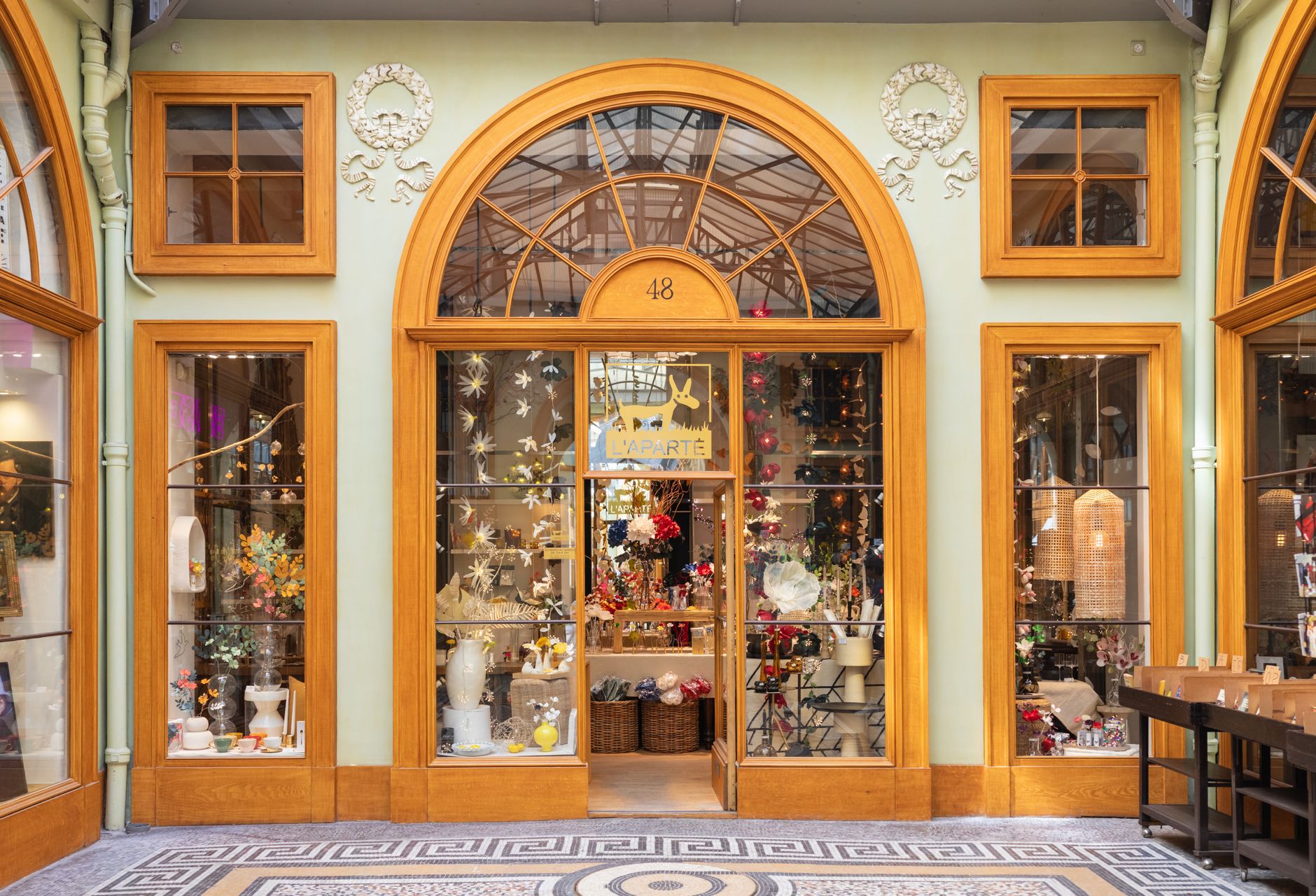
While Paris Men’s Fashion Week draws buyers and editors from across the globe, a quieter but pointed retail experiment is running alongside the shows – a pop-up born from an unlikely partnership between two very different commercial sensibilities.
Two Institutions, One Temporary Address
Japanese real estate and retail developer Lumine and Berlin-based retailer Andreas Murkudis are behind the project. The two brands carry distinct identities: Lumine operates as a development company with deep roots in Japan’s station-adjacent shopping culture, anchoring locations to commuter life and urban density. Andreas Murkudis, meanwhile, has built a reputation in Berlin as a curatorial retail space – the kind of store where the edit matters more than the volume, and where fashion sits alongside objects, books, and design without hierarchy.
That contrast is exactly what gives the Paris pop-up its shape. Rather than defaulting to the expected format – a brand takeover, a capsule drop, a seasonal preview – the collaboration is presenting something broader. Fashions, homewares, and books are all part of the offering, a selection that speaks more to a cultural point of view than to a single product category or commercial pitch.
The timing is deliberate. The pop-up straddles Men’s Fashion Week in Paris, positioning itself within the orbit of the shows without being absorbed entirely by them. It’s a calculated placement – visible to an audience that is already in the city and already primed for discovery, but removed enough from the runway circuit to feel like an alternative rather than an extension of it.
For Lumine, the project marks an outward move. The developer is primarily known for its work in Japan, where its retail complexes are woven into train station infrastructure across the country. Taking that energy – the idea of a destination you pass through, a place that earns your attention on the way to somewhere else – and translating it into a Paris pop-up context is a notable step into European visibility.
What Tokyo Looks Like Inside a Paris Room
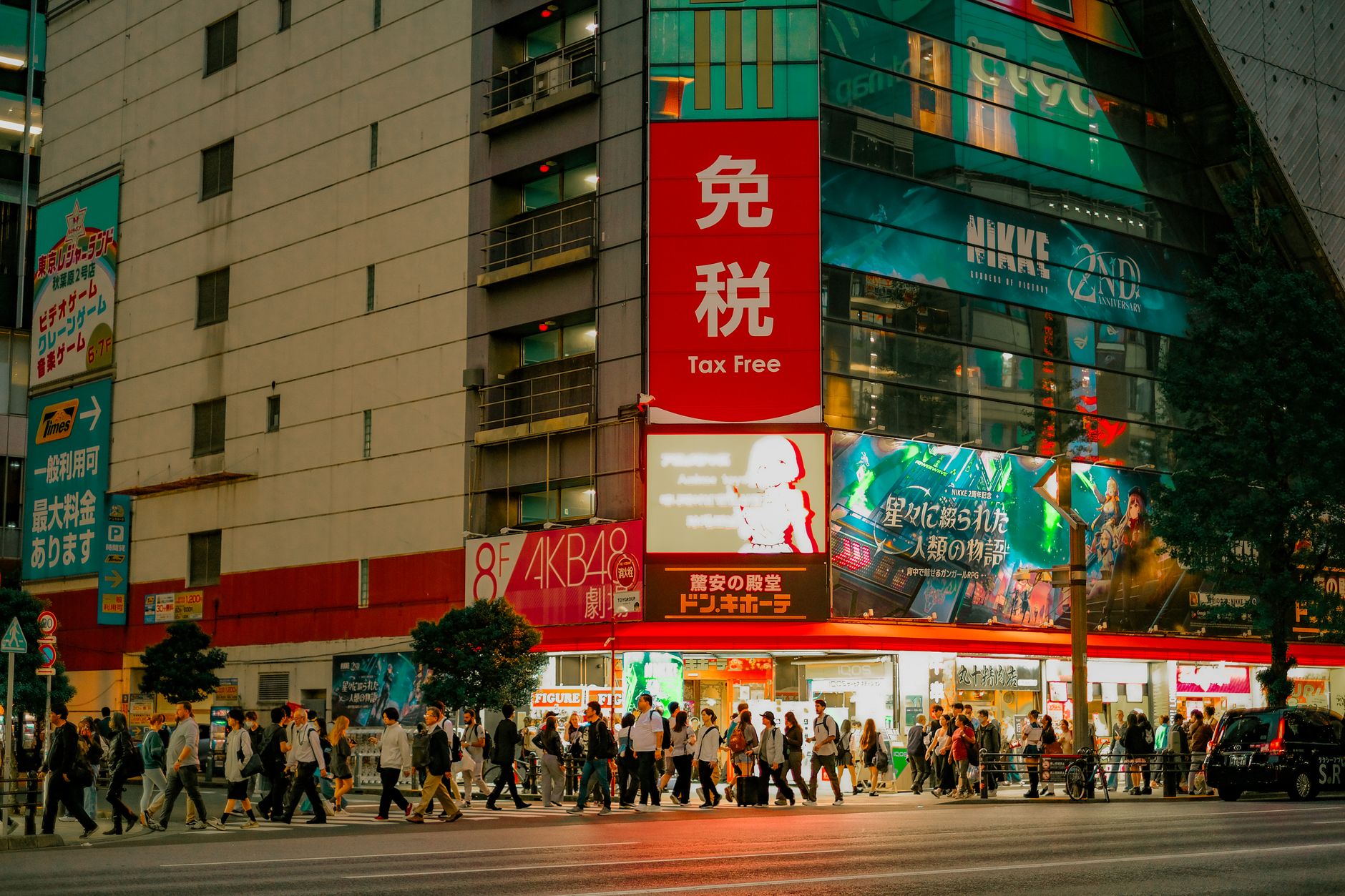
The pop-up functions as a condensed portrait of Tokyo’s retail and cultural atmosphere – fashion selected alongside homeware and books in a way that mirrors how Tokyo’s most considered shops actually operate. In the city’s better independent stores, clothing shares floor space with ceramics, zines, and objects that resist easy categorization. That adjacency is not accidental; it reflects a retail philosophy where context shapes desire, and where buying something means buying into an entire sensibility.
Andreas Murkudis brings that same logic to his Berlin store, which operates with an unconventional breadth for a fashion retailer. The Murkudis space in Berlin has long presented clothing next to furniture, art books, and homeware – categories that, in most retail contexts, would be siloed into entirely different buildings. His involvement in the Paris project suggests the pop-up will carry that same refusal to compartmentalize.
For Paris Men’s Fashion Week attendees, the pop-up offers a different kind of engagement than the shows themselves. The runway format is compressed and sequential – look after look, brand after brand, with little room to linger. A curated multi-category retail space operates on an entirely different tempo, inviting browsing rather than spectatorship. That shift in pace is part of what makes this kind of project appealing to an audience that has been moving fast all week.
Books as a category are worth noting specifically. Their inclusion signals something about the intended register of the pop-up – that it is addressing a visitor interested in ideas and cultural production, not just in product. Fashion books, in particular, have experienced renewed commercial attention in recent years as physical retail has leaned harder into objects that carry meaning beyond utility. Lumine and Murkudis are clearly reading that shift.
The geographic combination embedded in the project – Japanese developer, German retailer, French city, Tokyo atmosphere – is dense with cultural reference. None of these cities share a retail tradition, yet the pop-up is arguing that a specific kind of curatorial intelligence can travel across all of them. Whether that argument lands with Paris shoppers and fashion week visitors will say something about how transferable this particular retail language actually is.
What This Means for the Men’s Fashion Week Calendar
Pop-ups during fashion week are nothing new – brands and retailers have long used the concentrated foot traffic of show season to test concepts, build relationships with press, and reach buyers outside the showroom format. What distinguishes the Lumine and Andreas Murkudis project is its breadth of category and its cross-cultural framing, which positions it less as a brand activation and more as a genuinely independent retail statement.
The real question is whether this reads in Paris the way it’s intended. Men’s Fashion Week in the city runs on a particular kind of cultural grammar – one built around French luxury, Italian tailoring, and the occasional disruption from a downtown New York or London label. A Tokyo-inflected pop-up, curated by a Berlin retailer and backed by a Japanese developer, is asking visitors to shift registers entirely. That’s either the most interesting thing happening on the Paris calendar this week, or it’s a concept that requires more context than a pop-up window can hold.