




A Fashion Architect Turns to Clay
Christopher Bailey, the designer who spent years building Burberry into a global luxury force, has made his most unexpected move yet – purchasing Burleigh Pottery, a British ceramics house that has operated since 1851.
What Burleigh Actually Is
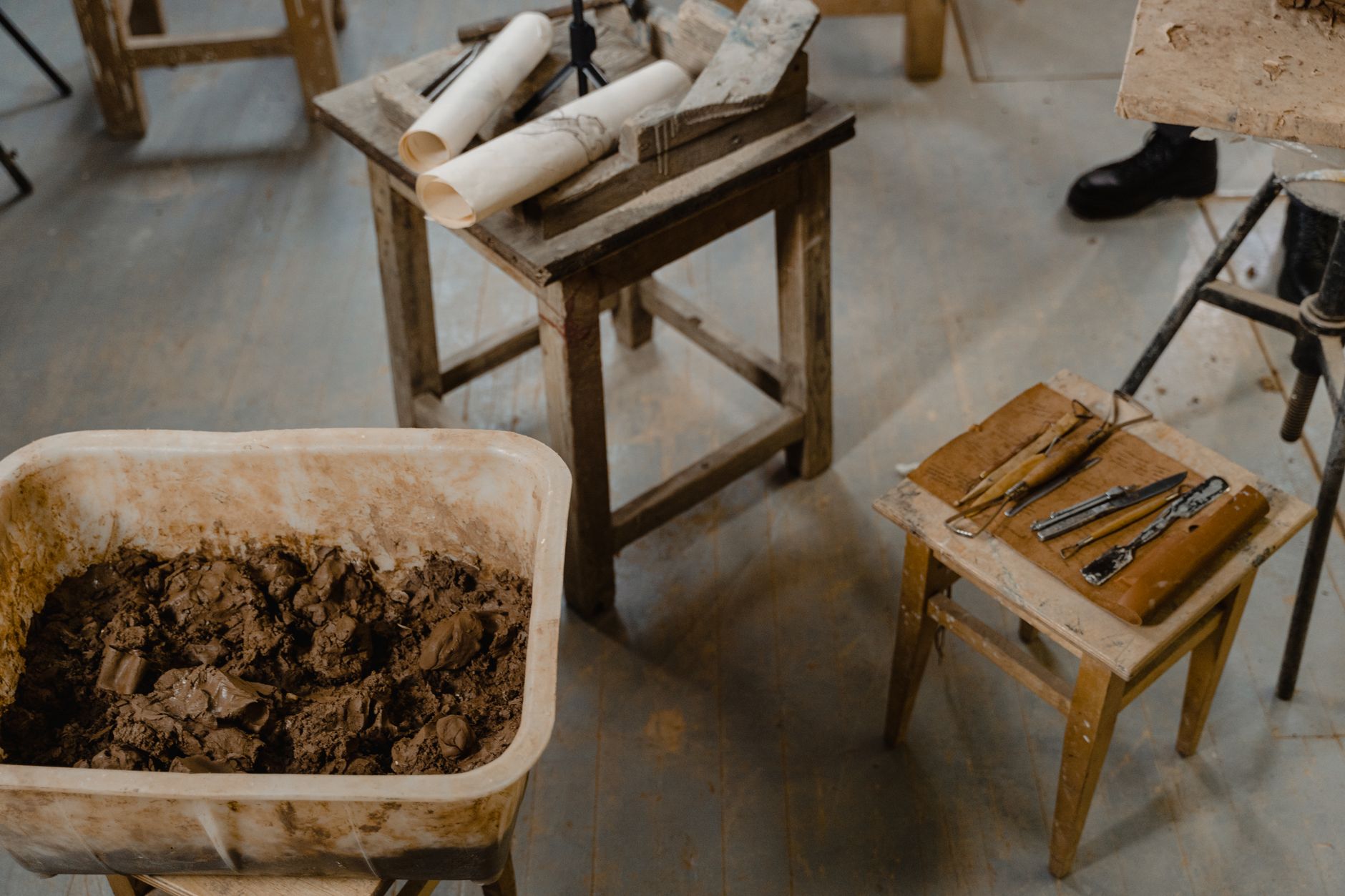
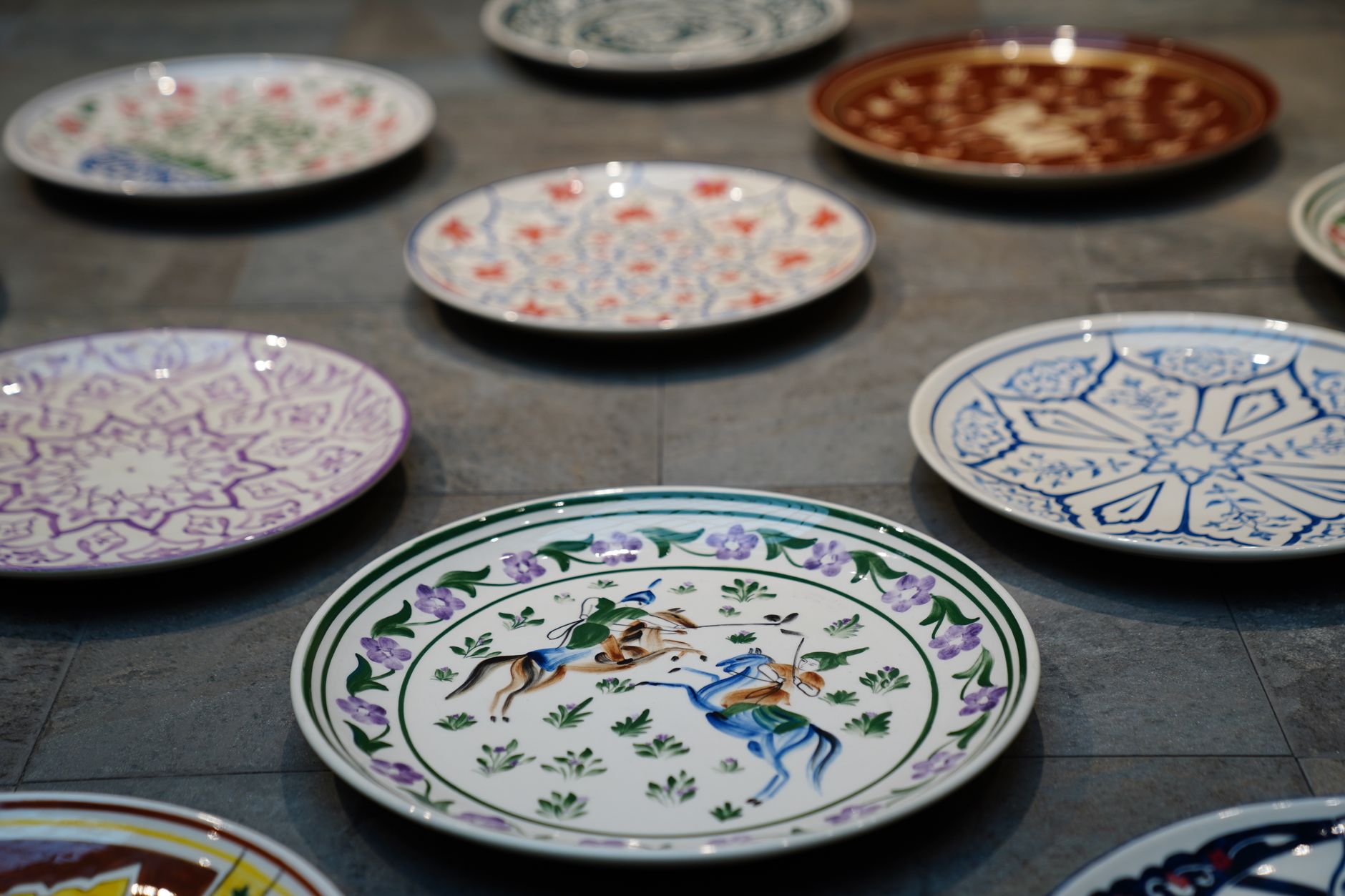
Founded in 1851, Burleigh is recognized as England’s oldest Victorian pottery still in operation. The company built its reputation on highly-detailed designs – intricate patterns pressed into earthenware that carry a distinctly historical English character. These aren’t mass-produced goods designed for volume; they are considered craft objects, each carrying the visual weight of a 19th-century aesthetic that has proven difficult to replicate at scale.
That specificity is precisely what made Burleigh attractive to collaborators with serious brand identities. Over the years, the pottery worked with Ralph Lauren, Soho House, and Daylesford – three names that share an appetite for materials with provenance, texture, and a story that pre-dates their own brand calendars. Ralph Lauren built an American mythology around English countryside aesthetics. Soho House has long positioned itself as a cultivator of European artisan culture. Daylesford, the organic farm and lifestyle brand, sells a version of rural England that aligns naturally with handcrafted ceramics.
Burleigh fit all three of them for the same reason: it is genuinely old, genuinely English, and genuinely made the way it always was. That combination is increasingly rare and, in brand partnership terms, increasingly expensive to access.
Bailey did not act alone. He assembled a small group of investors to complete the acquisition, though the financial terms of the deal have not been disclosed. The structure suggests a deliberate, considered approach rather than a speculative purchase – Bailey is positioning himself as an operator, not a passive stakeholder.
Why This Move Makes Sense from a Fashion Perspective
Bailey’s career has always been tied to the idea of Englishness as a design language. At Burberry, he expanded the brand’s reach without abandoning its heritage codes – the trench coat, the check, the rain-soaked romanticism of British culture. When he left Burberry in 2018 after more than 17 years, the question was what kind of project would hold his attention next. Ceramics, on the surface, seems like a departure. Look closer, and the logic is consistent.
Burleigh sits at the intersection of craft, heritage, and luxury lifestyle – the same territory that fashion brands have been colonizing aggressively for the past decade. The appetite for homeware that carries the weight of authentic manufacture has grown in parallel with the broader shift toward interiors as identity. Consumers who buy into a fashion house’s world now expect that world to extend to their dining tables, their shelves, their kitchens. Burleigh already had the product and the collaborations. What it may have lacked was the strategic vision to grow without losing the authenticity that made those collaborations possible in the first place.
Bailey brings something specific to that problem. He understands, from direct experience, how heritage brands can be opened up to new audiences without the core identity dissolving. The risk at Burberry was always the same as the risk at any old British institution: grow too fast and the thing that made it valuable disappears. Bailey navigated that tension for nearly two decades at one of fashion’s most closely watched companies.
The Soho House and Daylesford collaborations are worth lingering on. Both brands have strong aesthetic commitments and demanding customers who notice when a partnership feels transactional. The fact that Burleigh earned those relationships signals that the pottery operates at a level of quality and cultural credibility that goes beyond simple licensing. Bailey is acquiring something with an existing reputation, not a blank slate requiring invention.
There is also a wider conversation happening in fashion about the value of objects that resist trend cycles. Ceramics, particularly those made using traditional methods, exist outside the seasonal rhythm that governs clothing. A Burleigh plate made today looks the same as one made thirty years ago, and that stability is increasingly attractive to consumers who are fatigued by constant novelty. Bailey, who spent his career working within the machinery of seasonal fashion, is now buying into something that operates on an entirely different clock.

What Happens Next
The acquisition raises immediate questions about how Bailey plans to position Burleigh going forward. The pottery’s existing collaborations with Ralph Lauren, Soho House, and Daylesford give it a strong foundation, but Bailey’s presence will inevitably attract attention from the fashion world – designers, brands, and retailers who hadn’t previously thought of ceramics as a territory worth entering.
Burleigh has survived 174 years by remaining distinctly itself. Whether that quality survives new ownership and new ambition – or whether Bailey’s involvement becomes the thing that finally tips the pottery toward a broader, more commercial audience – is the tension at the center of everything that comes next.