



Back to the Shore
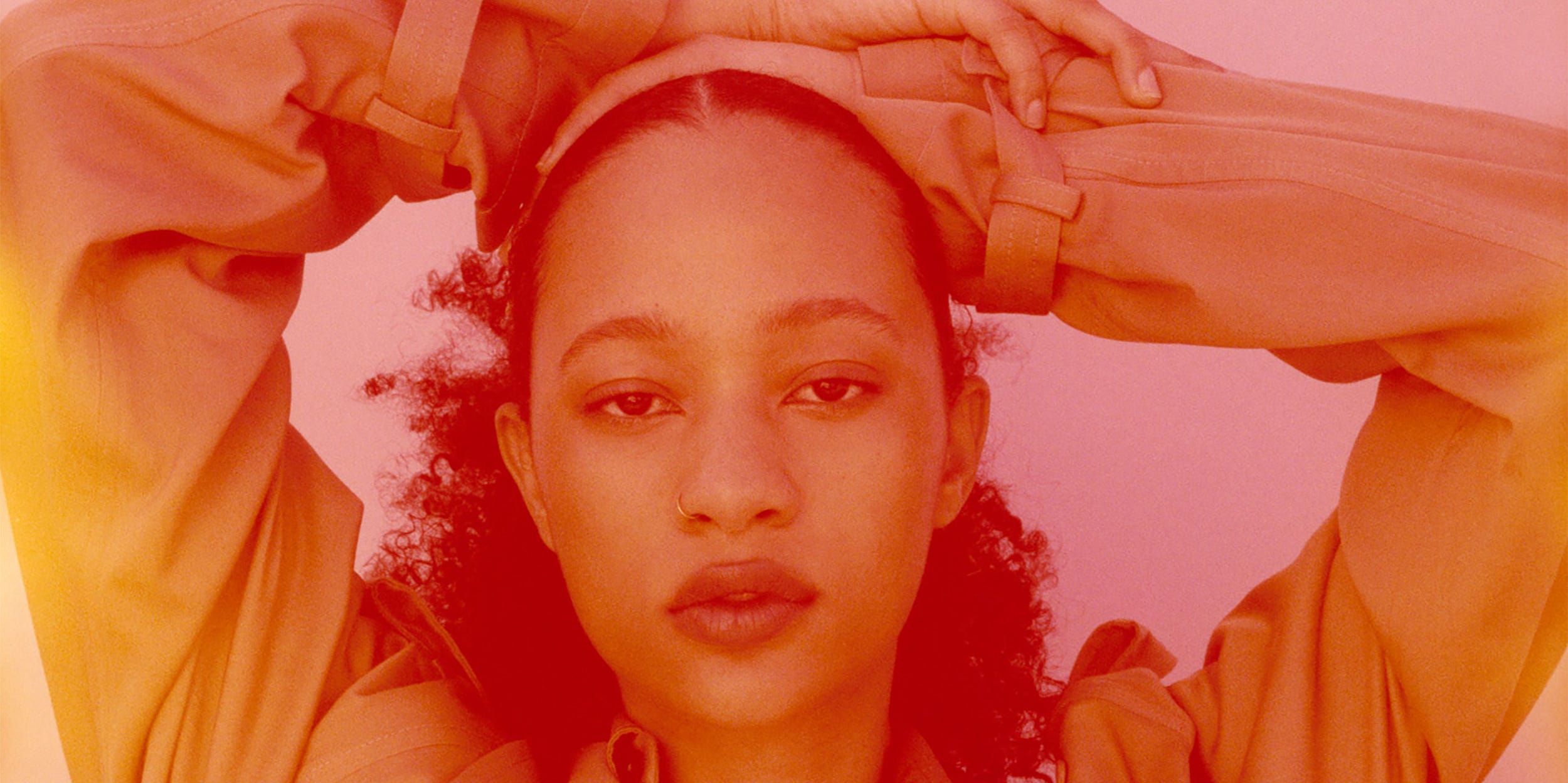
Selena Forrest was a teenager walking the streets of Huntington Beach, California, when someone first noticed her. That coastal city – built around surf culture, sun-bleached boardwalks, and a particular kind of unhurried energy – is where her modeling career began. It’s only fitting that it’s also where she returned for this shoot, the landscape functioning less as backdrop and more as original context.
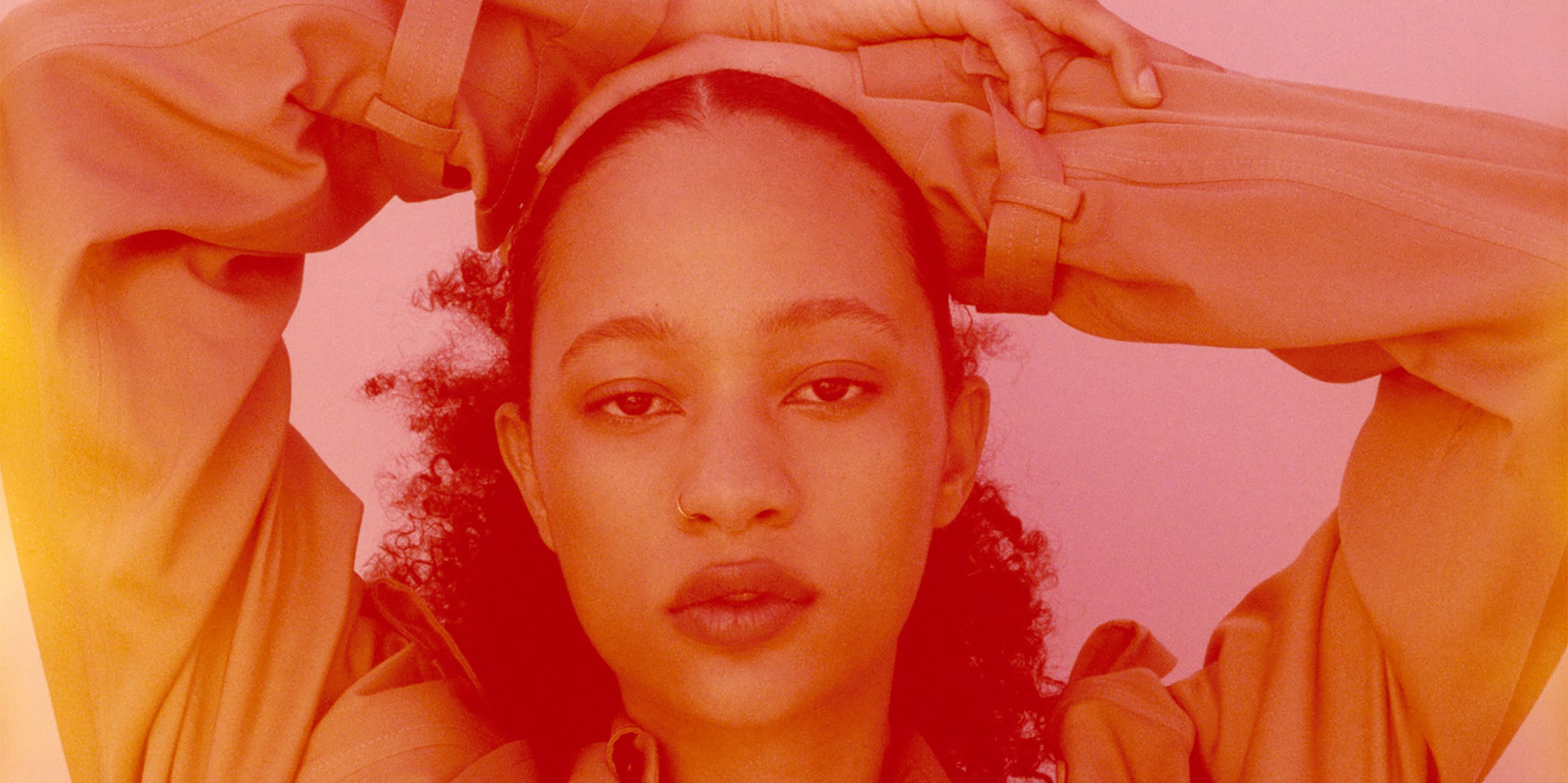
The editorial leans into everything Huntington Beach already does naturally: heat, salt air, and a light that flattens shadows and softens edges. The styling follows that same logic – fluid layers and relaxed tailoring, nothing constructed too tightly, nothing that fights the mood of the place.
What the Clothes Are Actually Doing
The fluid layers here aren’t a styling flourish – they’re the point. When clothes move the way water does, they stop demanding attention and start belonging to the environment around them. That’s a harder effect to achieve than it looks. Stiff fabric, heavy structure, anything with sharp tailoring at the shoulder – it all reads wrong against open coastline. The pieces chosen for this shoot avoid that trap entirely.
Relaxed tailoring has been working its way through fashion’s vocabulary for a few seasons now, but it earns its place here in a way that feels earned rather than chased. A blazer that doesn’t insist on itself. Trousers with enough give to suggest they’d survive a walk across wet sand. The effect is a wardrobe that looks like it belongs to someone who actually lives near the water, rather than someone visiting it for a weekend.
Forrest carries that distinction well. There’s a difference between a model who wears clothes and one who appears to exist inside them, and the Huntington Beach setting reinforces which category she falls into. The familiarity she has with this particular stretch of California coastline – discovered here as a teenager, now returning as a working professional with a career that has taken her far beyond it – gives the images a quality that location scouting alone can’t manufacture.
Huntington Beach as More Than Scenery
Huntington Beach occupies a specific place in California’s coastal geography. It’s not Malibu, which carries its own weight of celebrity and money. It’s not Venice, with its deliberate performance of counterculture. Huntington Beach is surf-first, unpretentious in a way that feels structural rather than affected – a city that has organized itself around wave conditions and tide schedules for long enough that the attitude has become architectural.
Using it as the setting for a fashion editorial means accepting what it offers and what it refuses. It offers light, movement, and a certain democratic ease. It refuses glamour of the manufactured kind. The styling here seems to understand that trade-off. Nothing in the mix looks like it was flown in from a showroom and placed against the scenery for contrast. The clothes and the coast are pulling in the same direction.

Forrest, Framed by Where She Started
Being discovered as a teenager in a specific place and then returning to that place as a subject of a major editorial is not a neutral event. It compresses time in a way that gives images a layer of meaning the images themselves don’t have to explain. Forrest doesn’t need to perform nostalgia here. The geography does it for her.
What’s visible in the work is a model who has learned how to occupy a frame without fighting it. The fluid layers and relaxed silhouettes give her room to do that – clothes that move with a body rather than dictating to it. That quality, easy to name and genuinely difficult to photograph, is what separates an editorial that looks good from one that looks true to something.
The “endless summer” framing isn’t just seasonal shorthand. It points toward a particular California idea – that certain places resist the normal passage of time, that youth and warmth and salt water exist in a kind of permanent tense. Huntington Beach has always traded on that idea. Forrest, who was found there before the fashion industry had any use for her, is now part of the imagery the city generates about itself.
Whether she was wearing fluid layers the first time someone noticed her on those streets is a question the editorial doesn’t answer. What it does show is that the distance between that moment and this one is smaller than the years might suggest – same coastline, same light, the kind of clothes that look like they’ve always been hers.