





The Glow Doesn’t Stop at Your Jawline
There’s a strange gap in most skincare routines – serums stacked on the bathroom shelf, retinol diligently applied every night, SPF layered before stepping outside – and then nothing from the collarbone down. The skin on the arms, legs, and torso goes largely ignored, even as warm weather pulls hemlines up and sleeves off. Brightening body lotions exist to close that gap, and the category has grown considerably as shoppers start treating body skin with the same attention they give their faces.
The appeal is straightforward. Dullness on the body happens for the same reasons it does on the face: dead cell buildup, uneven tone, lack of hydration, and sun exposure that accumulates over years. The difference is surface area. A product that works hard on a larger canvas needs to deliver active ingredients efficiently – and the best brightening body lotions do exactly that, combining exfoliating acids, niacinamide, vitamin C derivatives, and intensive moisturizers in formulas designed for daily use.
What Ingredients Actually Do the Work
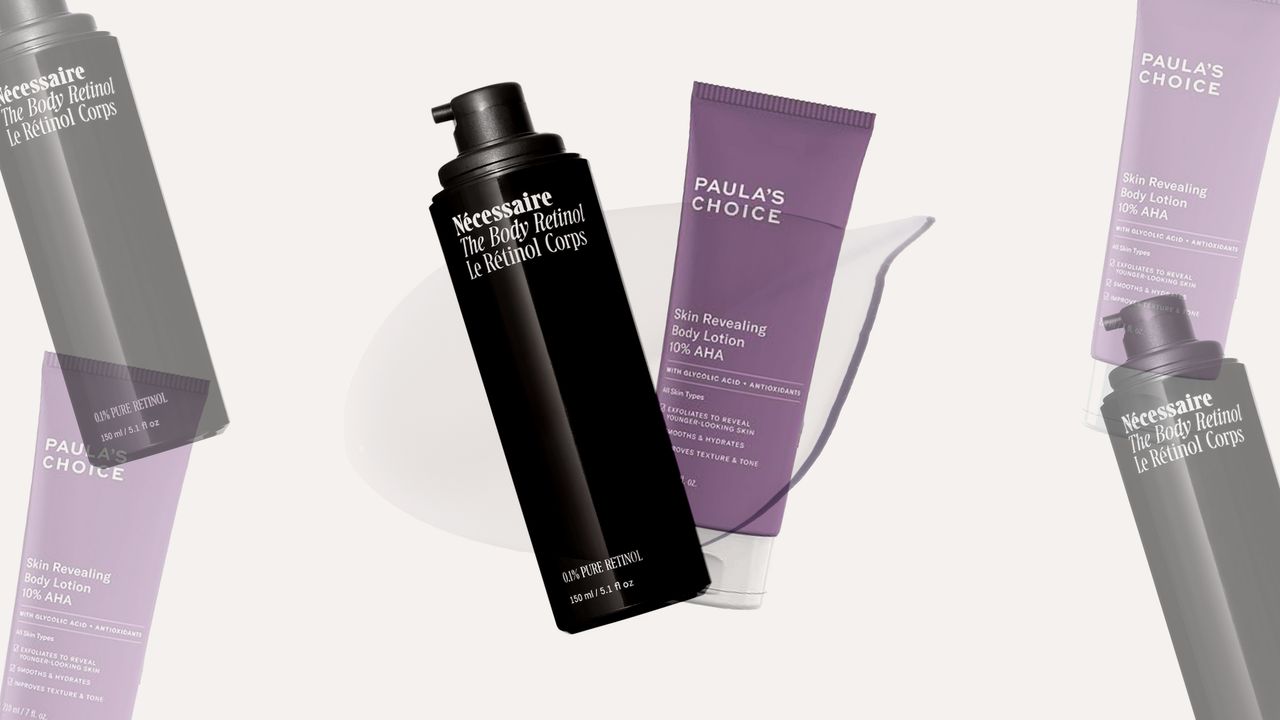
Not all “brightening” claims mean the same thing. Some formulas focus on hydration alone, which does produce a temporary luminosity boost – well-moisturized skin reflects light more evenly than dry, flaking skin. But the products that create lasting results tend to include chemical exfoliants like glycolic acid or lactic acid, which accelerate cell turnover and progressively fade the uneven pigmentation that makes skin look flat.
Niacinamide is another ingredient doing heavy lifting in this category. It inhibits the transfer of melanin to skin cells, which over time reduces dark spots and discoloration on the body – inner arms, knees, elbows, and anywhere friction or sun damage has left its mark. Vitamin C, in various stabilized forms, works similarly while also providing antioxidant protection. The challenge with vitamin C in body lotions is stability; formulators have to work harder to keep it effective in a product applied in a steamy bathroom and left to absorb.
Kojic acid, azelaic acid, and tranexamic acid are also appearing more frequently in body lotions that were once reserved for facial formulas. This shift reflects dermatologists’ growing recognition that the body’s skin responds to the same actives – it’s just been underserved by the industry. What was once a category dominated by simple moisturizers now includes products engineered around clinical ingredients.
The texture of a brightening body lotion also matters in ways shoppers often underestimate. A formula that sits heavily on the skin or takes too long to absorb gets used once and abandoned. The most effective options – the ones that actually produce results – tend to be light enough to apply after a shower without needing 20 minutes to dry before getting dressed. Lotion formats generally win here over oils, though body oils with added actives are carving out a space for drier skin types that need the extra barrier support.
Timing and Application Make a Real Difference
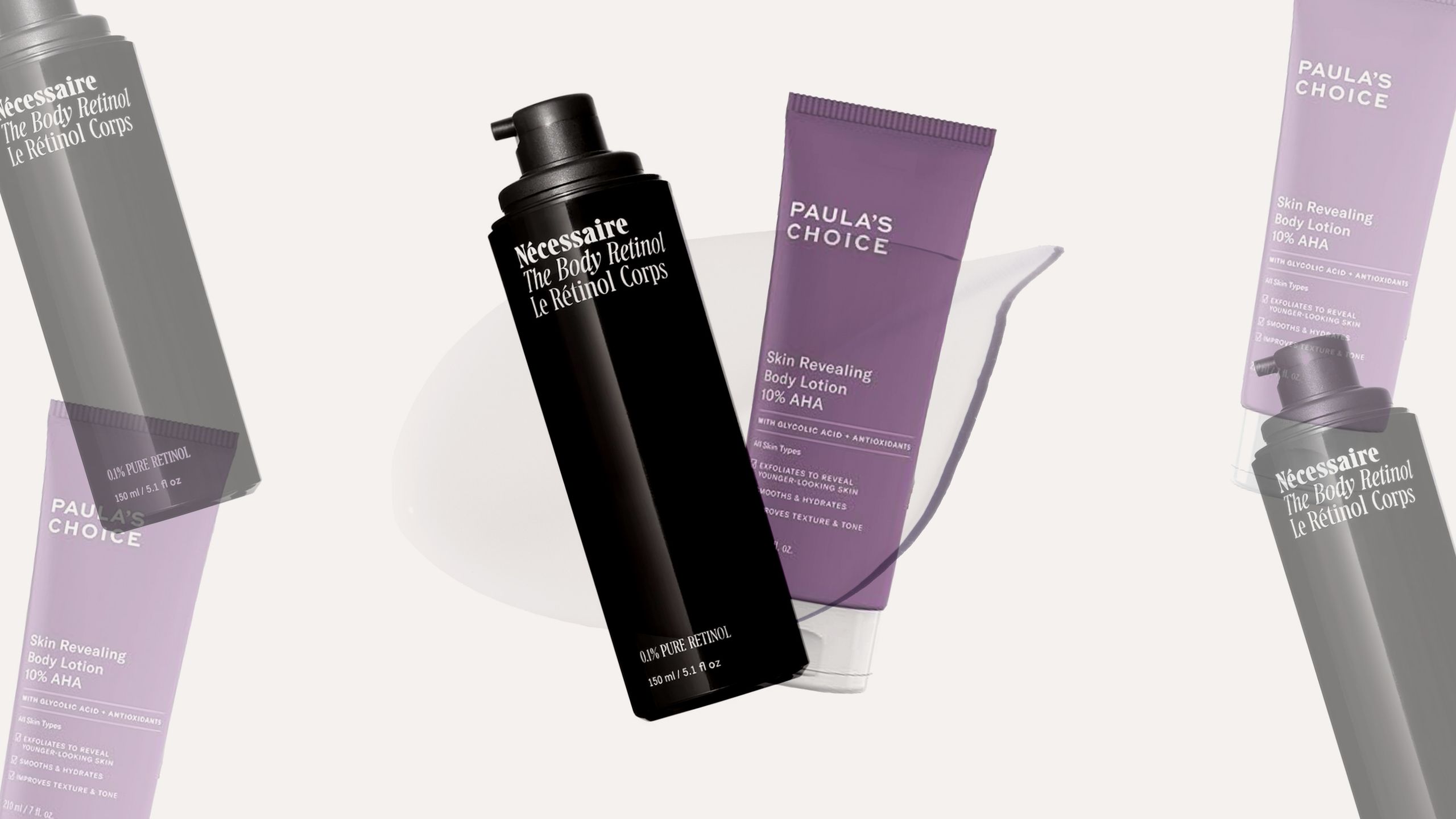
Applying a brightening body lotion to damp skin – just after stepping out of the shower, before fully toweling off – increases absorption of humectant ingredients like glycerin and hyaluronic acid, which pull moisture from the water on the skin’s surface into the outer layers. It’s a small habit change that amplifies what a formula can do, particularly for anyone dealing with chronically dry skin on the shins or upper arms.
Consistency matters more than intensity. A body lotion with a lower concentration of brightening actives used daily will produce better results over weeks than a high-strength formula applied twice before getting forgotten. The skin on the body turns over more slowly than facial skin in some areas, so the timeline for visible change is longer – typically four to six weeks of regular use before unevenness meaningfully improves.
Building the Right Routine Around Warm Weather
Summer puts body skin under more scrutiny and more stress simultaneously. Sun exposure concentrated during warm months contributes to the hyperpigmentation and uneven tone that brightening products address – but using an exfoliating acid on the body also increases photosensitivity. The practical solution is applying brightening lotions in the evening and pairing them with a body SPF during the day. Skipping sun protection while using actives essentially cancels out progress.
For anyone incorporating a body lotion with glycolic or lactic acid into their routine, starting with every other day rather than daily use reduces the chance of irritation, particularly on sensitive areas like the inner arms or behind the knees. The skin in those zones tends to be thinner and more reactive, and a formula well-tolerated on the legs may sting slightly in areas where friction already exists.
The broader shift happening in skincare right now is the extension of facial-grade thinking to the rest of the body. Products formulated with the same rigor as a premium face serum – tested for efficacy, built around peer-reviewed actives, designed with texture and absorption in mind – are now available at a range of price points. That wasn’t true five years ago, and it’s changing what a morning or evening body care routine can realistically achieve. Shopping platforms like Olive Young have become useful sources for finding Korean beauty brands that have pioneered this body-care elevation, often at prices that make daily use practical.

The question most shoppers haven’t answered yet: is the dullness they’re treating on their arms and legs actually from cell buildup and dehydration, or is it primarily residual sun damage from years prior? The distinction changes which ingredients to prioritize – and whether a brightening lotion alone will be enough, or whether a visit to a dermatologist makes more sense before reaching for the shelf.