




The Blush Obsession Has a Name Behind It
Somewhere between the hyper-precise contouring era and the current wave of flushed, dewy skin, a makeup artist named Esther quietly started changing how a generation thinks about blush. Not just where to put it, but what it means – who it’s for, whose face it was designed around, and why the technique known as draping deserves a full revival.
Painted by Esther has made that revival her mission.
The brand and the person behind it have built something that feels distinct from the usual beauty-brand origin story – not a founder who spotted a gap in a Sephora aisle, but a practitioner who looked at the history of draping, recognized that Black women had been largely written out of its mainstream conversation, and decided that needed to change before anything else could move forward.

What Draping Actually Is – and Why It Disappeared
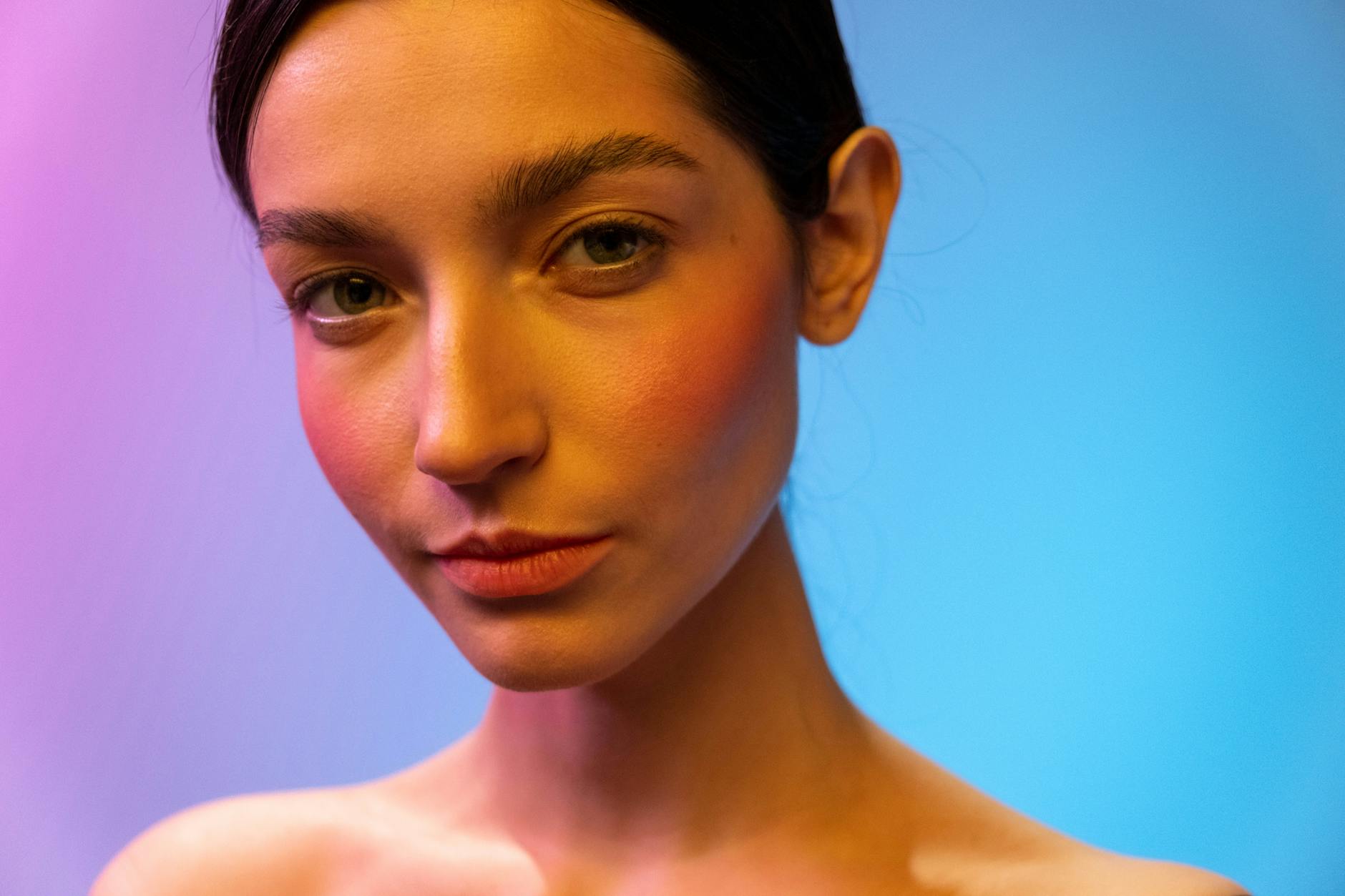
Draping is a blush application technique that uses color to contour and define the face, sweeping pigment high across the cheekbones and up toward the temples. It predates the sharp highlight-and-shadow methods that took over beauty tutorials in the 2010s, but it fell out of mainstream favor as strobing and baking became the dominant vocabulary. The tools got more technical. The finish got more architectural. Blush, soft and warm and readable from across a room, started to feel almost old-fashioned.
What Esther identified – and what Painted by Esther keeps returning to – is that the technique never actually stopped working. It just stopped being taught in a way that accounted for the full range of skin tones it looks best on. Deeper complexions, particularly the range of brown and Black skin tones that make up a significant portion of the global beauty market, were rarely centered in how-to content around draping. The shades shown, the lighting used, the faces featured – the instruction assumed a narrower audience than the technique could actually serve.
That gap is where the brand found its purpose. Not as a correction or a criticism, but as an expansion – here is what draping looks like when the starting point is Black women’s skin, and here is why that starting point produces better results for everyone working from it.
Building the Blush Conversation Around Inclusion
Keeping Black women at the center of the conversation is not a tagline for Painted by Esther – it functions as an actual editorial and product decision. The shades developed, the undertones prioritized, the application guidance offered: each of those choices reflects a deliberate starting point rather than an afterthought. Many beauty brands arrive at inclusion by expanding outward from a default; Painted by Esther starts from a different default entirely.
The effect on a generation of blush users has been measurable in the way these things tend to show up first – in comment sections, in reposted tutorials, in the particular way younger makeup wearers have started reaching for blush before bronzer, layering it higher on the face, treating it less like a finishing step and more like a structural one. Draping has re-entered the beauty lexicon, and Painted by Esther is a direct reason why.
There is also something worth noting about the medium. Beauty education delivered through social platforms moves differently than print instruction ever did – it is faster, more iterative, and far more dependent on the trust audiences place in specific voices. Esther’s presence in that space has not just sold product; it has shifted how people understand the technique itself. When someone watches a tutorial and sees their own skin tone reflected in the demonstration, the information lands differently. It becomes actionable in a way that abstract instruction rarely is.
Why Blush, and Why Now
The timing of the blush revival is not random. After years of heavy contouring and then the pendulum swing toward barely-there skin, there is a visible appetite for color that is warm, readable, and a little joyful. Blush delivers all of that without requiring the precision that contouring demands. It is forgiving in application and immediate in impact – two qualities that matter enormously to people who want to look finished without a 45-minute process.
Draping amplifies those qualities. Because it works with the architecture of the face rather than trying to redraw it, the results tend to look less like makeup and more like a very good version of your own face. The technique rewards a light hand. It photographs well in natural light. It suits the current preference for skin that looks like skin, just better.
Painted by Esther sits at the intersection of all of that – the technique, the timing, the audience that had been waiting for someone to speak directly to them. The brand has not just capitalized on a trend; it has actively shaped the terms of the conversation, which is a different kind of market position entirely.
The question now is whether the infrastructure around blush – the shade ranges at major retailers, the application tutorials from larger brands, the way beauty editors assign coverage – catches up to what Painted by Esther has already demonstrated is possible. The technique works on every skin tone. The starting point just has to be honest about who it was built around first.