



A Familiar Category Gets a Skincare-First Rethink
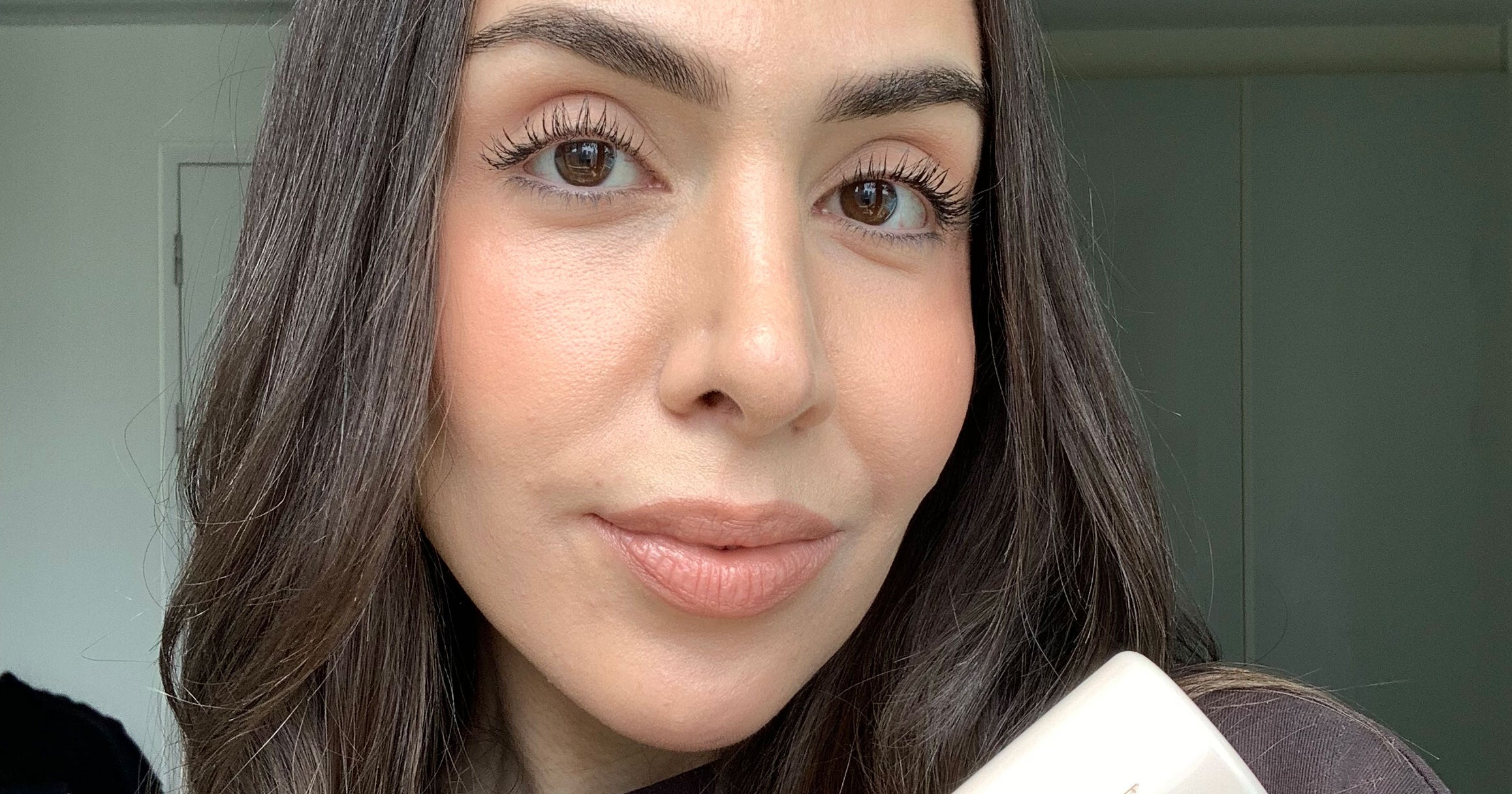
Tarte has released a CC color-correcting tinted serum priced at $42, and three Refinery29 editors who tested it came away calling it a new summer favorite – a verdict worth paying attention to given how saturated the complexion market has become.
Why BB and CC Creams Fell Off – and Why They’re Back
BB and CC creams had their cultural origin in Japan and South Korea, where multitasking complexion products were built around the idea that skincare and makeup didn’t need to be separate steps. BB creams – short for “beauty balm” or “blemish balm” depending on who you ask – were positioned as moisturizer, primer, foundation, and sunscreen all at once. CC creams leaned harder into color correction, targeting discoloration and uneven tone rather than simply adding coverage.
Both formats crossed into the American market through brands like Maybelline, IT Cosmetics, Kosas, and e.l.f. Cosmetics. For a while, they were everywhere. Then skin tints and sheer foundations absorbed most of the consumer enthusiasm, and BB and CC creams receded into the background – present, still sold, but no longer the conversation.
What Tarte has done with this new formula is pull the CC concept forward rather than simply revisit it. The product contains hyaluronic acid, strengthening peptides, and oil-balancing niacinamide – ingredients that belong firmly in the skincare column – while still delivering the sheer, blurred coverage and natural finish that made the original category appealing. It sits in the same middle ground between makeup and skincare that CC creams always occupied, but the formulation reflects where consumer expectations around skin ingredients have moved since those early launches.
The shade range is built around six options that correspond to Tarte’s existing Shape Tape concealer shades, which gives existing Tarte customers a useful reference point for matching. The formula itself dispenses white, then adjusts as encapsulated pigments read the skin and shift accordingly – neutralizing redness at the cheeks, correcting purplish undertones under the eyes. The full shade reveal takes up to two minutes after application, and the product requires shaking before use to distribute the pigments evenly.
Testing It Against Real Skin – Three Editors Weigh In
One of the three Refinery29 editors who tested the serum used the shade Medium and described it as her new favorite complexion base for summer. That’s a specific kind of praise – not that it’s impressive for a CC cream, or that it works well considering what it costs, but that it has replaced whatever she was using before it.
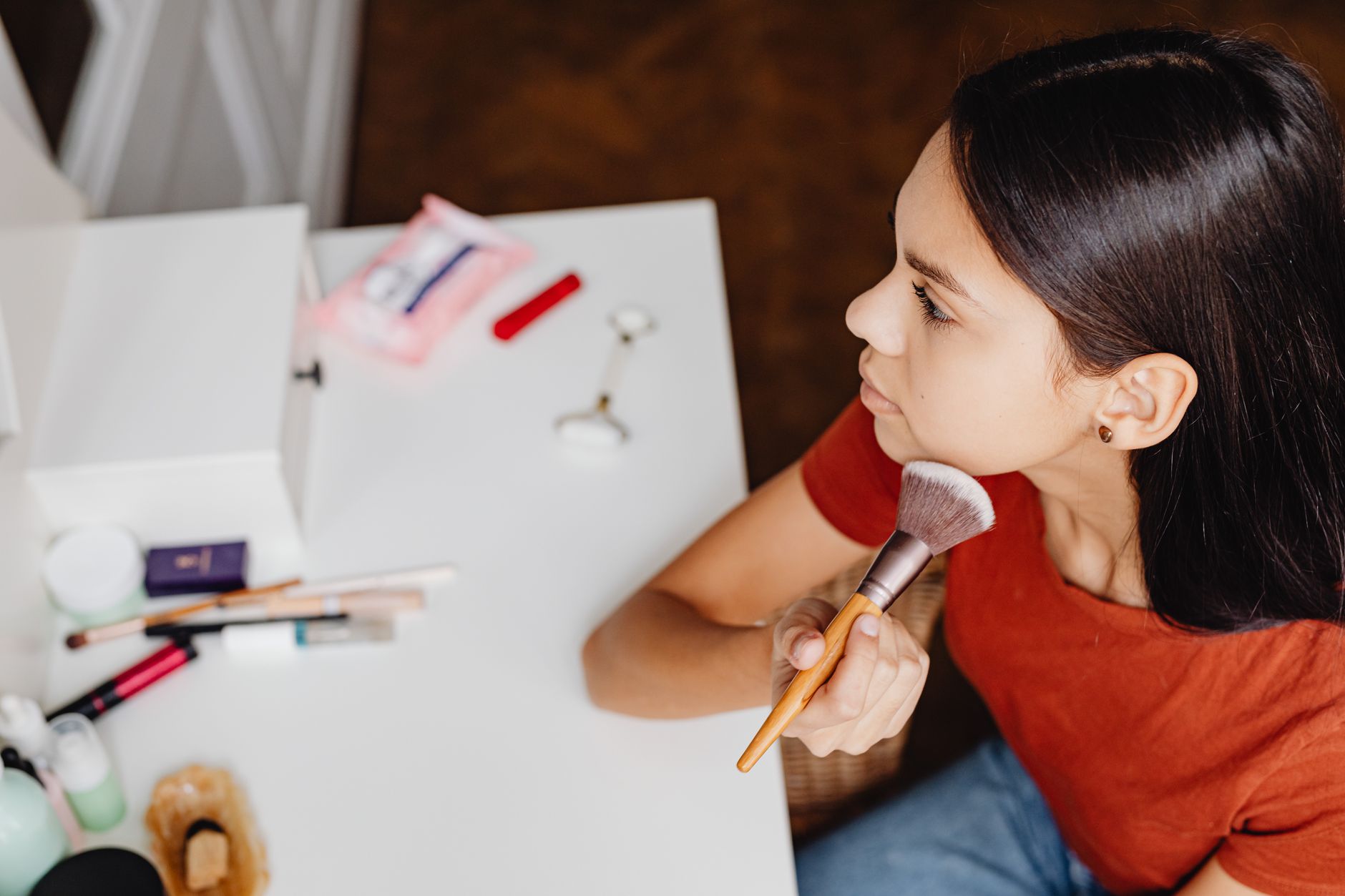
The reason that matters is that “favorite complexion base for summer” is a high-rotation slot. Summer is when foundations feel heavy, when full-coverage formulas start sliding, when the case for something lighter becomes practical rather than aesthetic. A product that earns that designation in this season is competing against skin tints, tinted moisturizers, and SPF-forward formulas that have had years to establish themselves with beauty editors and consumers alike.
At $42, the serum sits at a price point that puts it above drugstore CC creams but within range of mid-tier Sephora purchases. It’s available at Sephora, Ulta, and Tarte’s own website, which means it has wide retail access without being positioned as a mass-market product. The channel mix matters because Sephora and Ulta both offer easy returns and testers in-store, which reduces the risk of buying a foundation-adjacent product in an unfamiliar shade – especially one that changes color on contact.
That color-adapting mechanism is genuinely interesting from a formulation standpoint. Encapsulated pigments that shift on contact with skin are not new technology, but deploying them specifically to correct undertone discoloration – rather than just matching skin tone – is a more targeted application. Redness around the cheeks and purplish under-eye shadows are the two specific discolorations the formula is designed to address. Whether it handles both simultaneously on the same face without looking muddy in between is the practical question the editors’ testing was meant to answer.
Three editors testing one product across different skin tones and conditions is a small sample, but it’s the standard approach for beauty launches at this tier. What’s notable is that the testing went far enough for one editor to make a definitive seasonal commitment to it – not just “worth trying” but “using every last drop,” as Refinery29 put it. The shade range of six, keyed to Shape Tape concealers, also means that anyone already using Tarte’s concealer line has a straightforward path to the right match without needing to test multiple options.
The two-minute wait for the shade to fully develop is the one friction point in an otherwise low-maintenance application. Most complexion products are designed for immediate gratification – you apply, you blend, you move on. Asking someone to pause and wait, especially during a morning routine, is a small behavioral ask that some users will ignore and then wonder why the color looks off. Tarte’s instruction to shake the bottle first adds another step that, if skipped, creates uneven pigment distribution.
Where This Lands in the Broader Complexion Picture
The CC cream revival, if this product signals one, arrives at a moment when the beauty industry is simultaneously pushing full-glam and no-makeup aesthetics, sometimes from the same brands in the same season. Tarte’s tinted serum positions itself on the lighter end – sheer coverage, skin finish, skincare ingredients front and center – which is the same space that skin tints from brands like Tower 28 and ILIA have been occupying for several years. The difference is the active color correction, which skin tints don’t typically offer.
Whether the two-minute color development window becomes a selling point – proof of the formula’s adaptive technology – or a deterrent depends entirely on how Tarte communicates it in stores and online. The product is already on shelves.