




Whimsy Hits the Mass Market
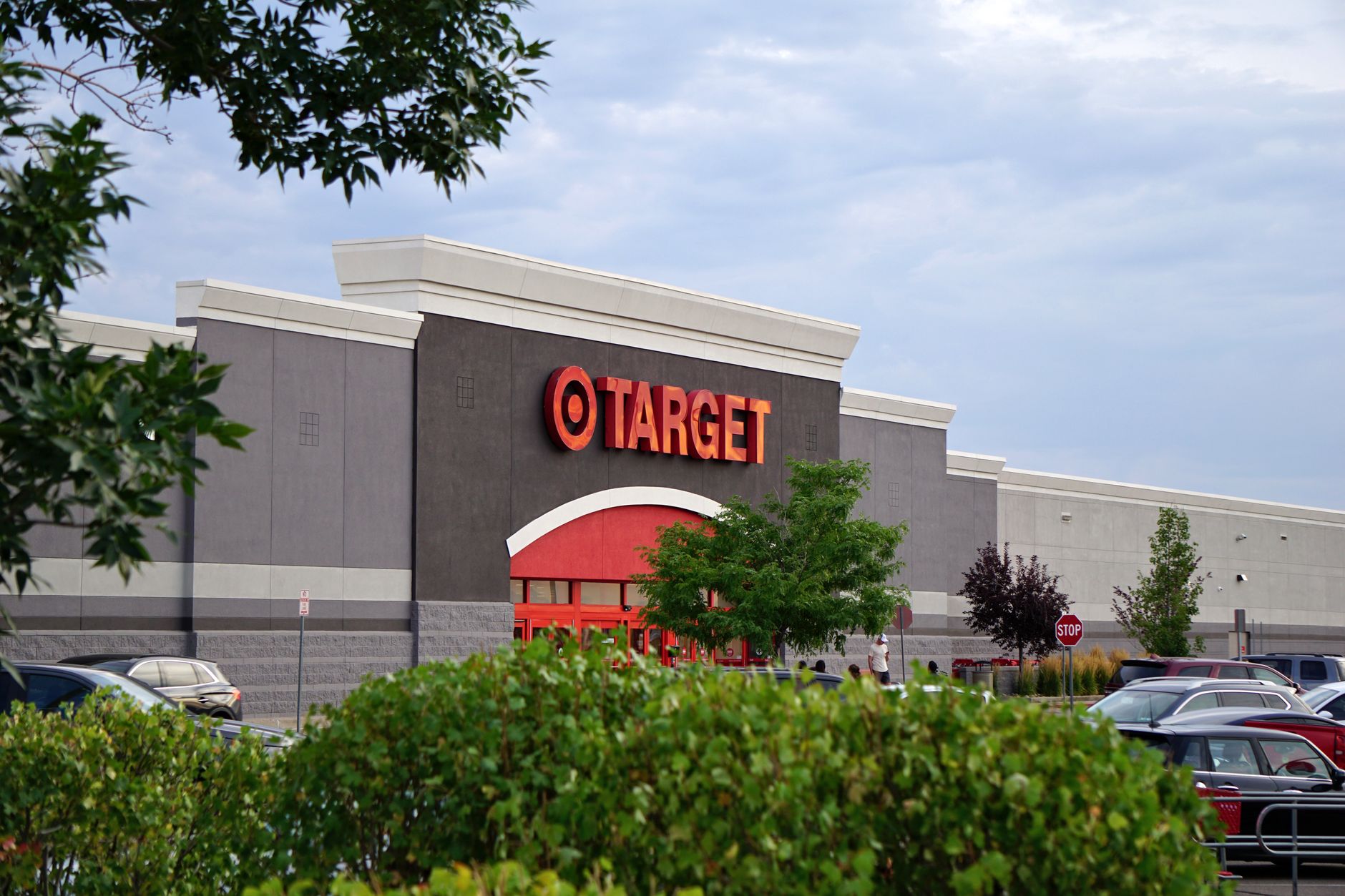
LoveShackFancy, the New York label known for its layered floral prints and deeply feminine silhouettes, is stepping well outside its boutique comfort zone this summer. On July 5, a collaboration with Target drops a 200-item collection aimed squarely at tweens and teens – covering apparel, accessories, and school supplies at accessible price points.
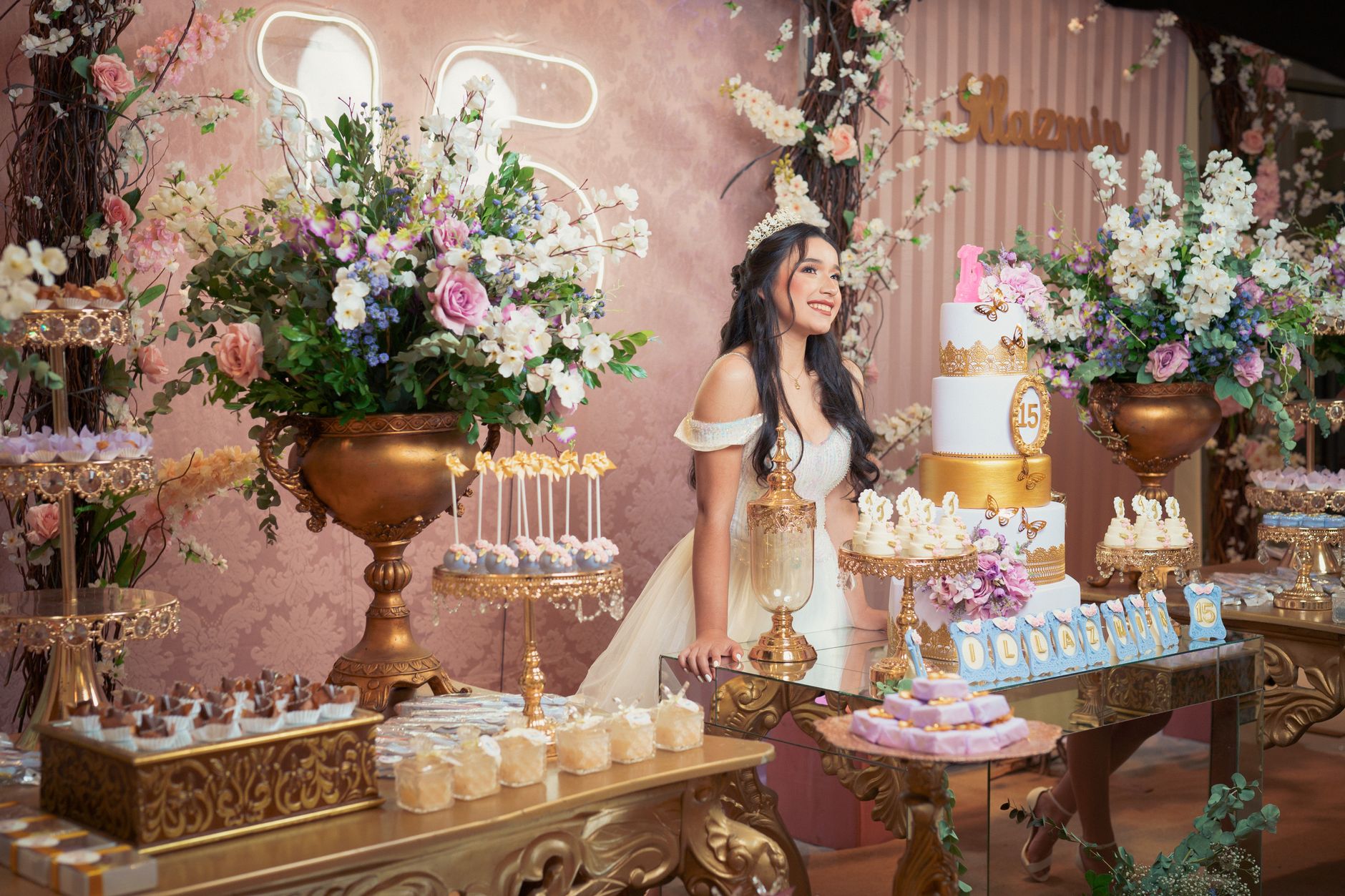
The partnership channels LoveShackFancy’s signature aesthetic – the kind of prairie-romantic, bloom-heavy visual language that built its following among adults – and redirects it toward a younger demographic shopping with parents or allowances rather than discretionary income.
What the Collection Actually Covers
Two hundred items is a significant footprint for a designer collaboration at a mass retailer. Target has run high-profile designer tie-ups for years, but the breadth here – stretching from clothing into accessories and actual school supplies – suggests an intent to own a full back-to-school shopping basket rather than just add a few statement pieces to a cart. A teenager could theoretically walk out with a LoveShackFancy-printed notebook, a hair clip, and a sundress in a single trip.
LoveShackFancy founder Rebecca Hessel Cohen built the brand on a very specific visual world: romantic florals, ruffled hems, pastel palettes that lean vintage without being costumey. Translating that into a mass-market offering for younger shoppers means making those codes legible to a 13-year-old with a $40 budget – a design translation challenge that either dilutes the original or introduces a new generation to an aesthetic they’ll follow upmarket as they age.
The back-to-school calendar sets a hard commercial context for the launch. July 5 positions the drop at the opening edge of peak back-to-school spending season in the United States, when families are actively looking to refresh wardrobes and restock supplies before August. Target moves significant volume during this window, and a 200-piece assortment gives the retailer room to merchandise the collaboration across multiple departments simultaneously.

The Economics of Designer-Mass Collaborations
For LoveShackFancy, this kind of deal functions as brand amplification at a scale the label could never generate through its own retail footprint. Target’s store count and foot traffic numbers dwarf what any independent designer label can achieve alone, and the brand visibility that comes from placement in that environment – in-store signage, Target’s own marketing, social media coverage from a younger audience discovering the label for the first time – has long-term value that outlasts the collaboration itself.
Target, for its part, gets a differentiated back-to-school story to tell at a moment when every major retailer is competing for the same seasonal spending. A label with a distinct point of view gives the collection a reason to exist beyond price and utility.
Tweens, Teens, and the Aesthetic Pipeline
The demographic target – tweens and teens – is worth examining closely. This is not the customer who already owns LoveShackFancy. This is the customer who might, in ten years, if the brand plants the right seeds now. Collaborations at this level have historically worked as introduction mechanisms: a young shopper encounters a designer’s visual language in an affordable format, develops an association with it, and eventually migrates toward the full-price product as income allows.
The floral, feminine aesthetic that LoveShackFancy trades in has proven durable on social platforms where younger users set visual trends. The brand’s look has circulated on Pinterest boards and TikTok outfit videos for several years, meaning a meaningful portion of the Target collaboration’s intended audience already has some ambient familiarity with what the label looks like – even if they’ve never shopped it directly.
School supplies as a category are particularly interesting within this context. A branded notebook or pencil case carries the aesthetic into a classroom environment daily, functioning as a kind of low-cost, long-duration advertisement among peers. It’s a different calculus than a dress worn occasionally – the supply sits on a desk or in a backpack, visible and repeatable as a social signal.
The July 5 launch gives both brands a clear marker. If the collection sells through quickly, the case for a follow-up – perhaps holiday, perhaps a spring drop – writes itself. If it stalls, it tells a different story about how far LoveShackFancy’s aesthetic actually travels when stripped of its premium retail context and placed in fluorescent-lit aisles next to everything else competing for a teenager’s attention.