





Landscape as Blueprint
For Spring 2027, Tod’s creative director Matteo Tamburini reached back to 1984 – the year photographer Luigi Ghirri conceived Viaggio in Italia, a photographic project built around documenting the Italian landscape – and used it as the foundation for an entire men’s collection.
What Ghirri’s Italy Means for a Fashion Collection
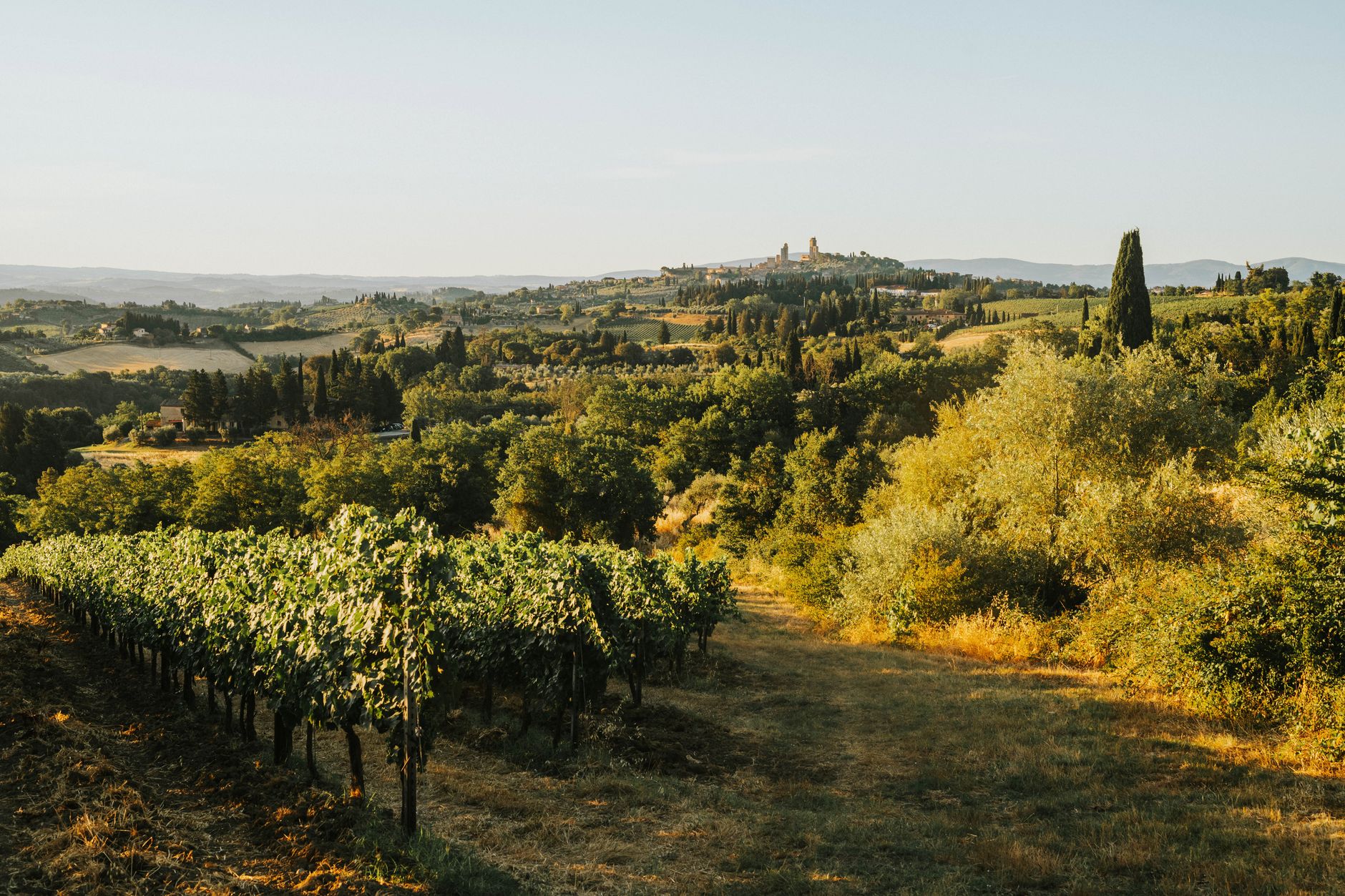
Luigi Ghirri’s Viaggio in Italia was not a singular vision. It was a coordinated project – Ghirri brought together a group of photographers to document the Italian territory, not its monuments or postcard beauty, but its ordinary, quiet, overlooked geography. Gas stations on flat plains. Roadside shrines. The pale wash of a northern Italian morning. That specific attention to the unremarkable is precisely what made the project so enduring, and it is exactly that quality Tamburini was drawing on.
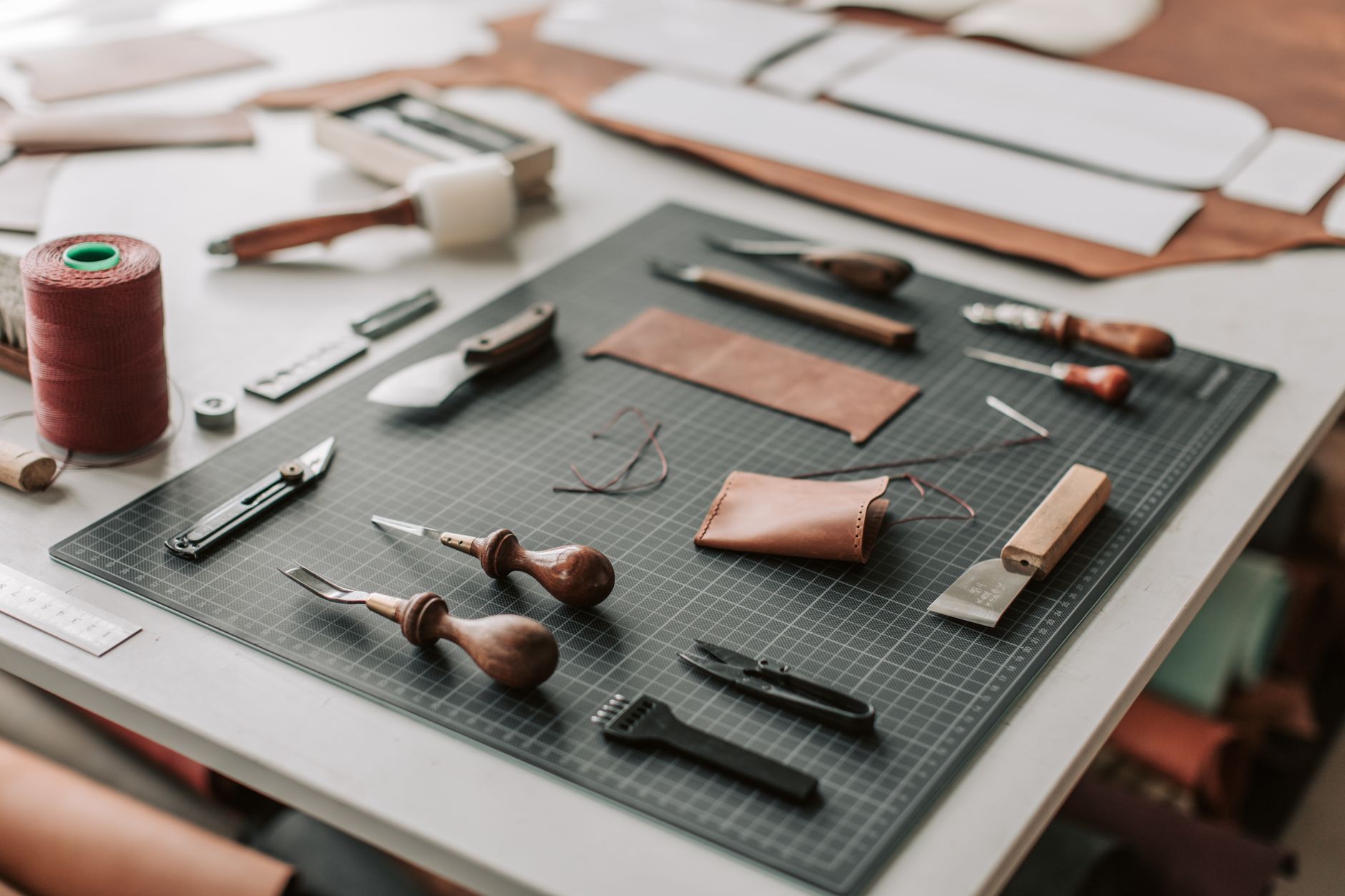
For a brand built on leather goods and Italian craftsmanship, the reference is not incidental. Tod’s has long staked its identity on a particular idea of Italianness – understated, material-forward, rooted in regional artisanal tradition. Ghirri’s project, which surveyed that same country with documentary care rather than romanticism, maps onto that sensibility without strain. Tamburini did not need to over-explain the connection; it was already there in the DNA of both the house and the photographer’s methodology.
What that translates to on the runway is a wardrobe anchored in restraint. The Spring 2027 collection leaned into tones and textures that suggest terrain rather than spectacle – the kind of clothes that recede into the landscape rather than compete with it. That is a deliberate choice, and one that requires more technical confidence than showmanship. Easy volume and surface decoration can carry a collection forward. Quietness cannot fake itself.
Tamburini’s approach at Tod’s has consistently moved in this direction since he took the creative director role. Each season, he works within a narrow range of references tied to Italian visual culture – cinema, photography, regional architecture – and finds a slightly different angle into that material. Viaggio in Italia is among the richest sources he could have chosen: it is a project explicitly about looking at Italy with fresh eyes, which is the same problem any designer at an Italian heritage house faces season after season.

The Men’s Wardrobe Question
Men’s fashion in 2027 is navigating a particular tension: the appetite for dressed-up dressing has returned, but the definitions have shifted. Tailoring is back, but it is rarely strict. Casual dressing never went away, but it is being asked to do more. The middle ground – relaxed but considered, informal but not careless – is where most brands are fighting for territory, and it is precisely where a Ghirri-inflected Tod’s collection sits most comfortably.
The Viaggio in Italia reference gives the collection a spatial logic. Ghirri’s photographs were always about how objects and people inhabit a place – the relationship between a figure and the flat horizon behind it, or a building and the unmanicured land surrounding it. Translated into clothing, that spatial awareness becomes a question of proportion and ease. How does a jacket hang when a man is standing in a field versus sitting in a car? These are not trivial questions for a house that makes leather goods designed to be carried, worn, and used across the varied geography of daily Italian life.
There is also something worth noting about the season. Spring collections, by definition, ask designers to think about lightness – both in weight and in mood. Ghirri’s photographs have a particular quality of light: overcast, diffuse, neither harsh noon sun nor golden hour warmth. It is the light of an ordinary Italian afternoon, and it lends itself to a palette of muted, slightly dusty tones. That kind of restraint in color can read as sad or severe, but in Tamburini’s hands, it tracked more as comfortable and certain.
Tod’s is not a brand that needs to announce itself through volume or provocation. Its customer is not hunting for a statement; he is building a wardrobe. The Ghirri reference serves that customer well because the photographer’s legacy is fundamentally about accumulation – a large body of careful images rather than a single iconic photograph. A collection built on that logic prioritizes the whole over the individual piece, which is how most men actually buy clothes.
That is a harder sell to the fashion press, which runs on novelty and the singular image. A collection designed for a wardrobe rather than a photograph requires the viewer to hold multiple pieces in mind simultaneously, to imagine the combinations rather than react to a single exit. Tamburini is asking his audience to do that work, and not every brand at Milan Men’s Week is willing to make that demand.
Milan, Tod’s, and the Stakes of Consistency
Milan Men’s Week in 2027 continues to define itself against the louder propositions coming out of Paris and the more conceptually aggressive end of the London schedule. Italian menswear, at its strongest, offers something different – a confidence in material and construction that does not need to shout. Tod’s is one of the houses most invested in that position, and a collection grounded in Ghirri’s documentary photography of the Italian landscape is a direct argument for it.
The real question the collection leaves open is whether restraint, however beautifully executed, can hold attention in a market cycle that moves faster than it ever has. Tamburini has built a coherent point of view at Tod’s – season after season, the references stack, the vocabulary deepens. Does that accumulated coherence matter to a buyer scrolling through forty collection reviews in an afternoon?