




The glass skin phenomenon that swept Korean beauty culture has officially crossed over into American dermatology offices. What began as a social media obsession with achieving perfectly smooth, translucent skin through elaborate skincare routines has evolved into clinical treatments that promise similar results in professional settings.
Medical spas and dermatology practices across major cities now offer “glass skin facials” that combine traditional Korean techniques with advanced dermatological procedures. The treatments typically involve multi-step protocols using professional-grade chemical peels, microneedling, and specialized serums designed to create the coveted poreless, luminous complexion that defines the glass skin aesthetic.
This shift represents a significant departure from the original K-beauty philosophy of achieving results through patience and consistent at-home care.
Professional Treatments Redefine Glass Skin Standards
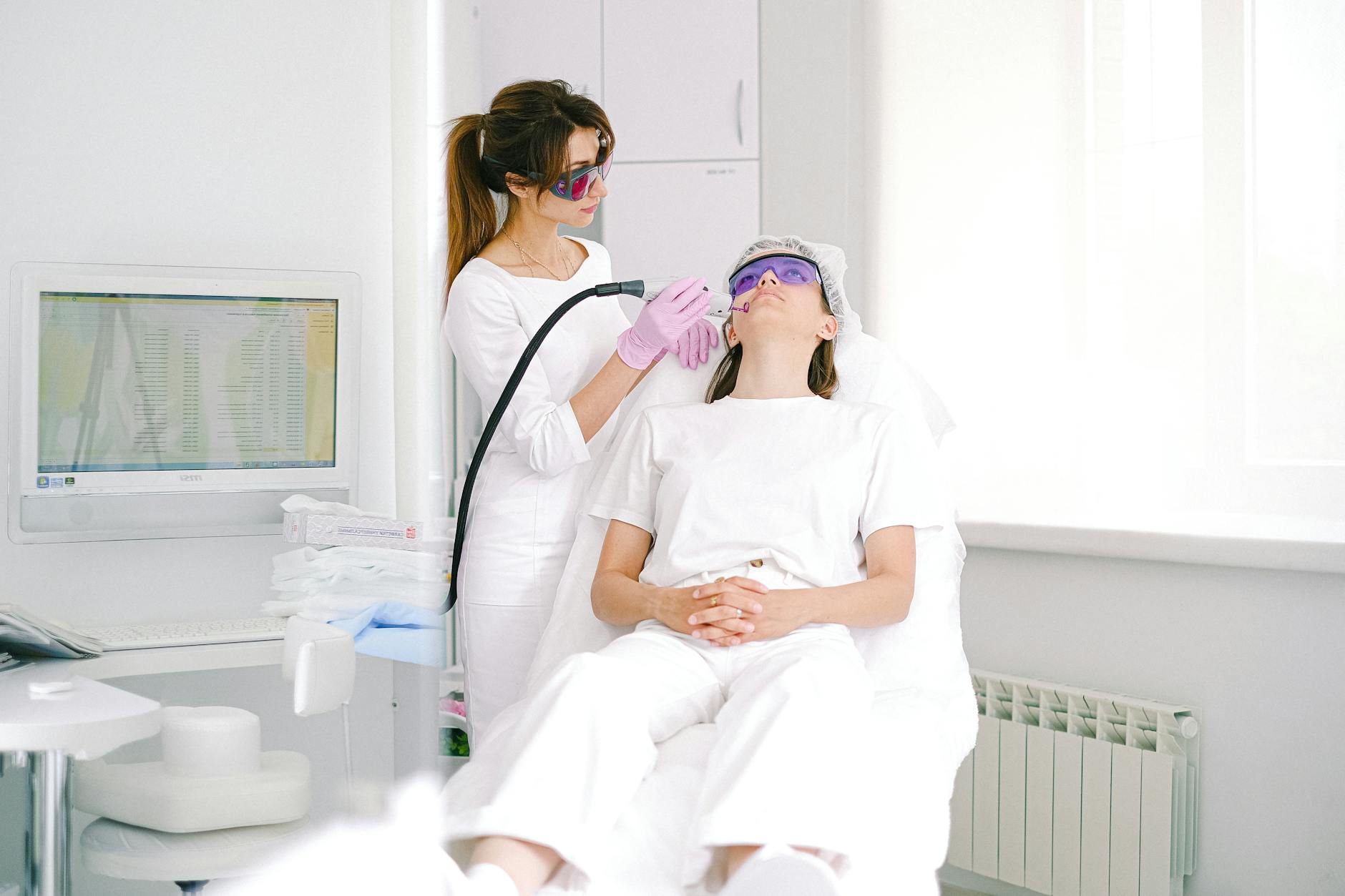
Dermatology clinics are rebranding glass skin as a medical aesthetic goal rather than a beauty trend. The clinical approach focuses on addressing underlying skin issues like enlarged pores, uneven texture, and dullness through targeted interventions rather than the gentle, gradual improvement promised by traditional Korean skincare routines.
Professional glass skin treatments often begin with deep chemical peels using glycolic or salicylic acid concentrations far stronger than over-the-counter products. These are followed by microneedling sessions to stimulate collagen production and improve skin texture. The final step typically involves infusing the skin with hyaluronic acid or vitamin C through specialized delivery systems that penetrate deeper than topical application allows.
The price point reflects this medical positioning. While a complete Korean skincare routine might cost a few hundred dollars and take months to show results, clinical glass skin treatments range from $300 to $800 per session, with most patients requiring three to five sessions for optimal results. The appeal lies in the promise of achieving in weeks what traditional methods might take six months or longer to accomplish.
Korean Techniques Meet Western Medical Standards
The integration of Korean glass skin principles into Western dermatology has required significant adaptation. Traditional Korean skincare emphasizes gentle, hydrating ingredients like snail mucin, ginseng, and fermented rice water applied through lengthy multi-step routines. Clinical versions replace these with medical-grade alternatives that meet FDA standards for professional use.
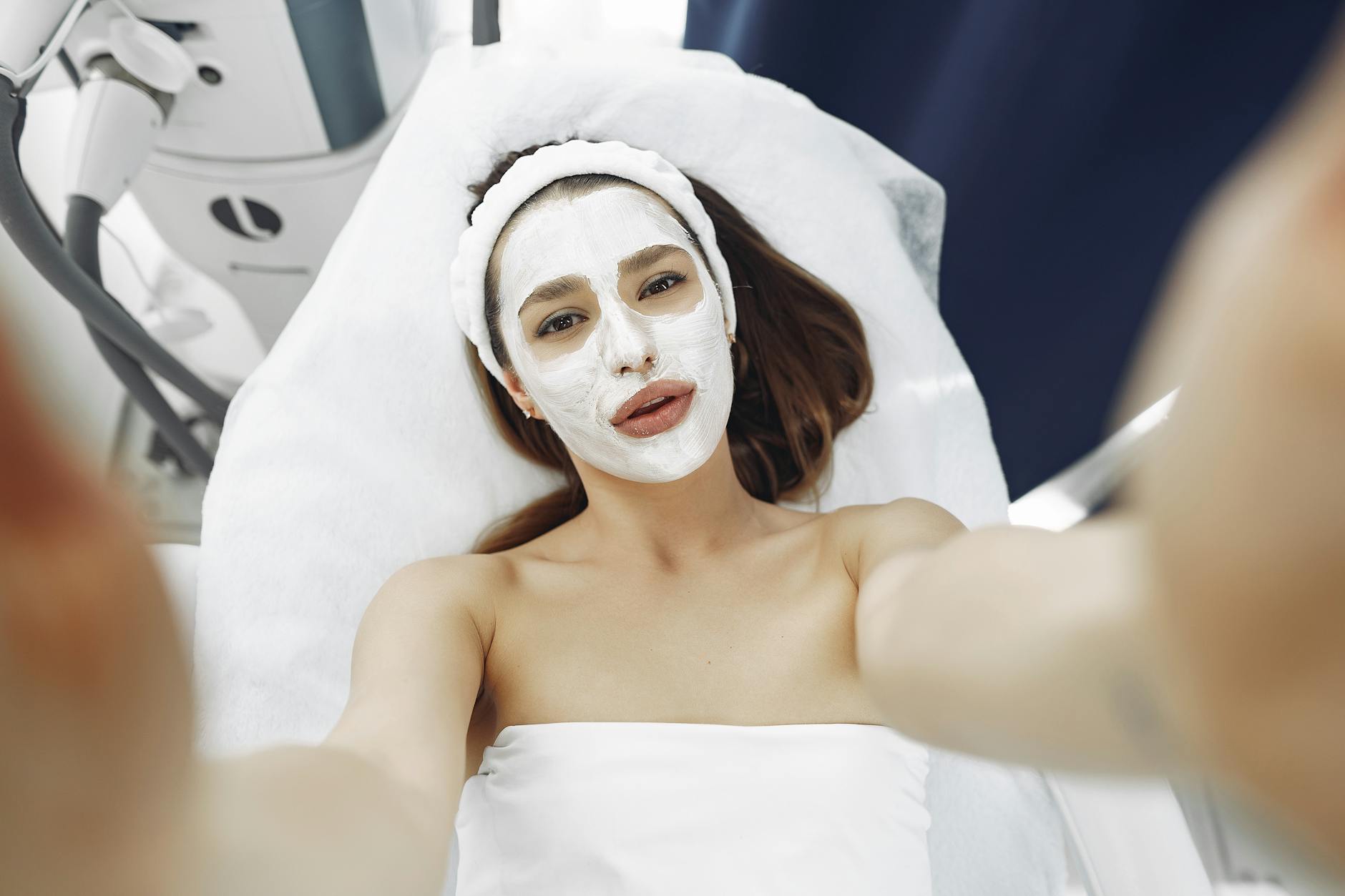
Dermatologists have also modified the application techniques. Where Korean glass skin routines involve gentle patting and pressing motions to avoid irritating the skin, clinical treatments use controlled mechanical devices and precise chemical applications. This approach allows for more dramatic results but requires professional supervision to prevent adverse reactions.
The most significant change involves the timeline and expectations. Korean glass skin philosophy treats skincare as a long-term lifestyle commitment, with practitioners often spending 30 minutes or more on their daily routines. Clinical glass skin treatments compress this philosophy into intensive sessions spaced weeks apart, appealing to patients who want similar results without the daily time investment.
Market Response and Treatment Evolution
The clinical adoption of glass skin treatments has created a new category within the medical aesthetics market. Practices that previously focused on anti-aging treatments like Botox and fillers now promote glass skin as a preventive approach for younger patients who want to maintain perfect skin rather than correct existing damage.
This demographic shift has influenced treatment development. Many clinics now offer “glass skin maintenance” packages that combine monthly professional treatments with prescribed at-home regimens. These hybrid approaches attempt to bridge the gap between the intensive Korean skincare philosophy and the convenience-focused American market.
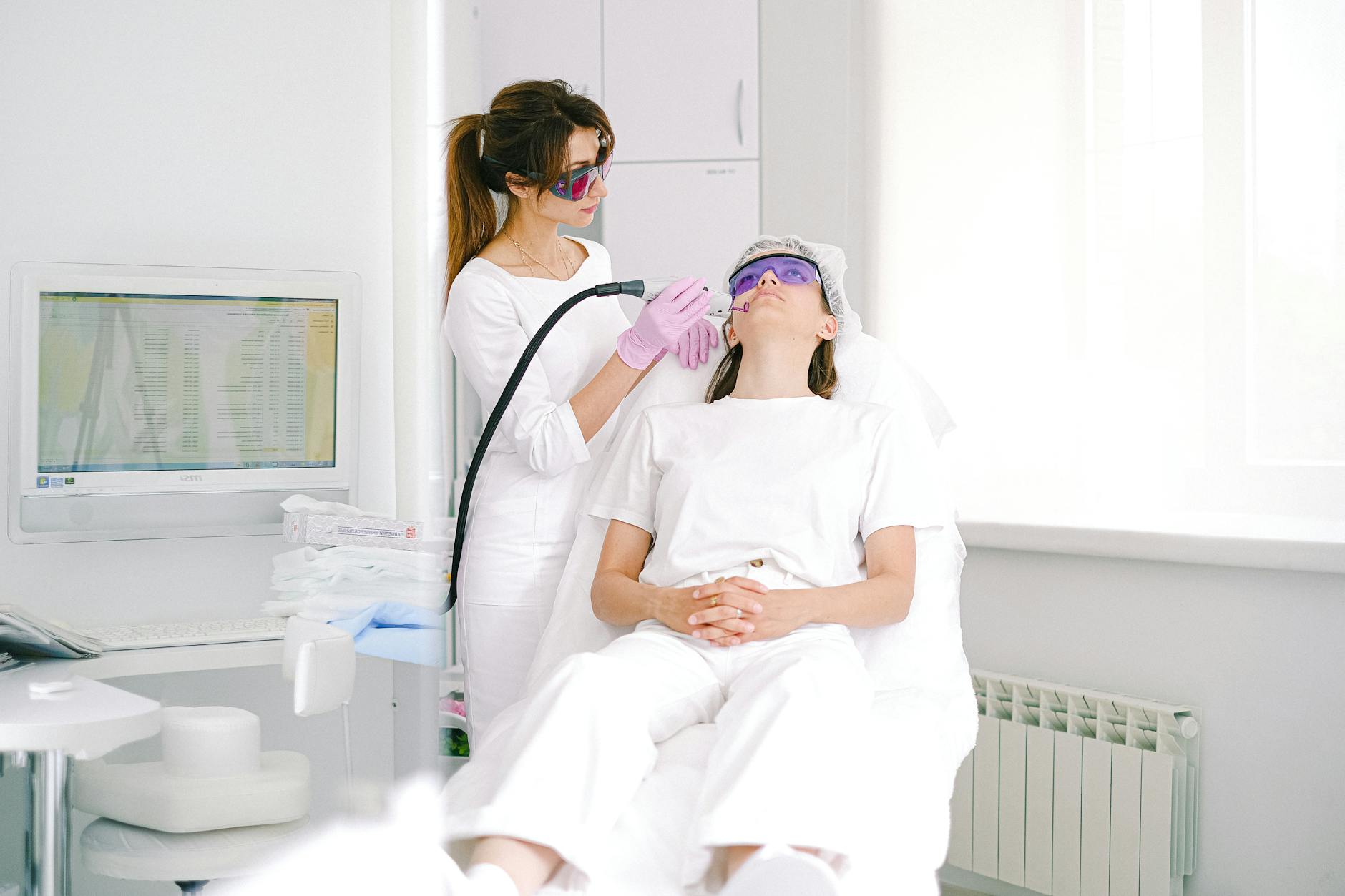
The success of clinical glass skin treatments has also sparked innovation in treatment combinations. Some practices pair glass skin protocols with micro-needling techniques or incorporate LED light therapy to enhance results. Others have developed custom serum formulations that blend Korean-inspired ingredients with clinical-grade actives.
The question remains whether these clinical interpretations can deliver the same holistic skin health benefits that made Korean glass skin a cultural phenomenon, or if the medicalization of the trend fundamentally changes what glass skin represents.