





When U.S. Donors Become the Backstage Crew of French Culture
Paris Fashion Week draws American editors, buyers, and socialites to the French capital every season, but a quieter and far older transatlantic exchange has been running in the background for generations. American philanthropists have long written the checks that help preserve the Louvre, the Palace of Versailles, and other French cultural landmarks that the fashion world routinely borrows as backdrops, venues, and visual shorthand for luxury. This is not a new arrangement – it is a tradition with deep roots and, increasingly, a glamorous public face.
Fundraisers like Becca Cason Thrash have become the visible engine of that tradition, cultivating American donor networks and organizing the galas and giving campaigns that funnel private wealth toward French heritage institutions. The work sits at an intersection that the fashion industry knows well: money, prestige, and the careful management of beauty. Without it, some of the world’s most photographed interiors would look very different.
The Architecture of Giving
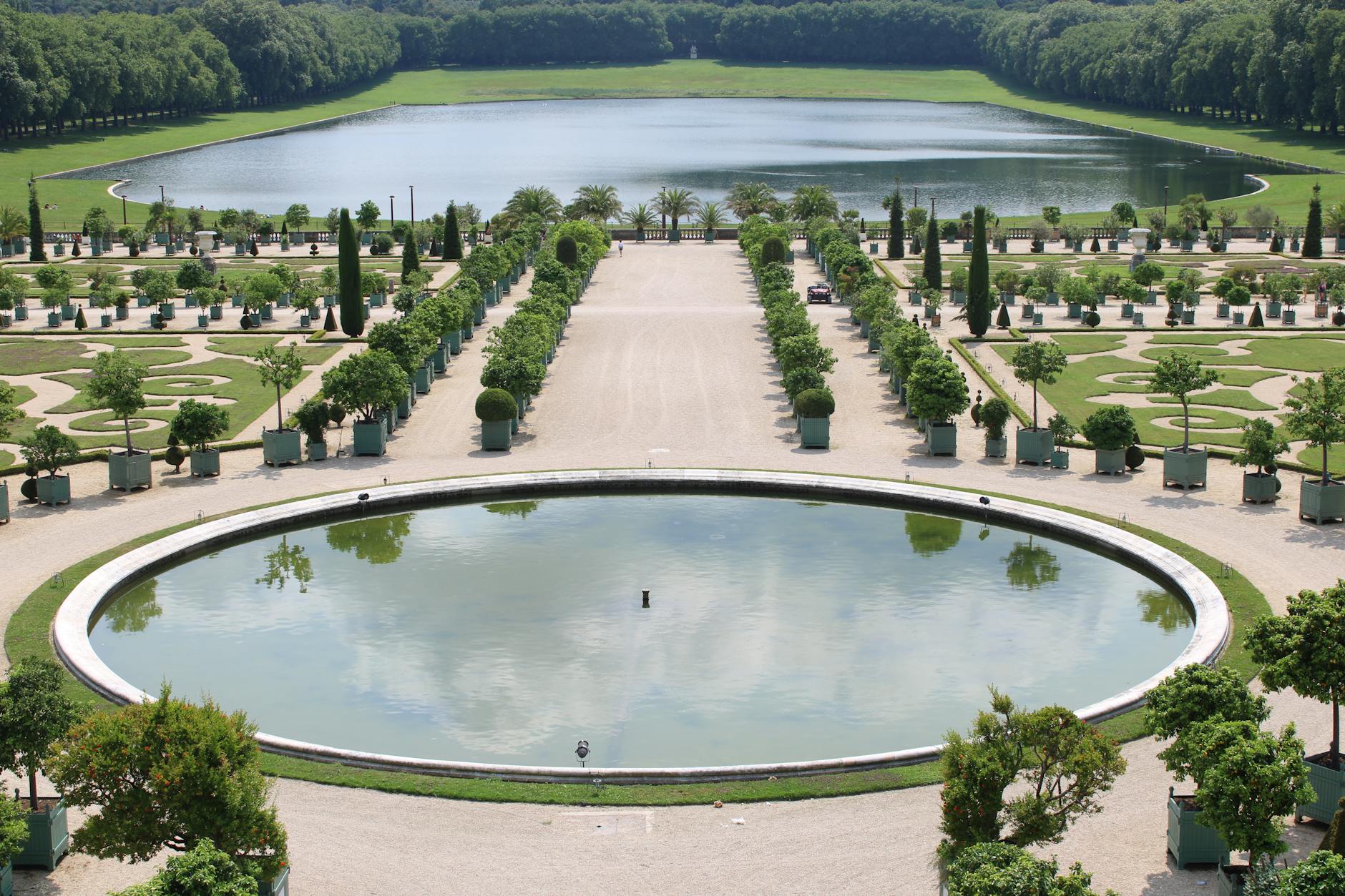
France’s great cultural institutions carry enormous maintenance costs. The Louvre houses roughly 35,000 works on display across nearly 73,000 square meters of gallery space. Versailles, built across the 17th and 18th centuries, requires constant restoration work to keep its Hall of Mirrors, formal gardens, and royal apartments from quietly deteriorating. State funding covers much of the operational load, but private philanthropy – particularly American philanthropy – has filled gaps that public budgets cannot always reach.
The tradition draws partly on a cultural compatibility between wealthy Americans and French institutional prestige. Attaching a name to Versailles or the Louvre carries a different kind of weight than donating to a domestic museum, and French heritage institutions have learned to cultivate that appeal with considerable sophistication. Fundraisers like Thrash are skilled at translating that prestige into actual commitments, working rooms full of high-net-worth individuals who want their generosity to land somewhere historically significant.
What Gets Preserved – and Why That Matters to Fashion
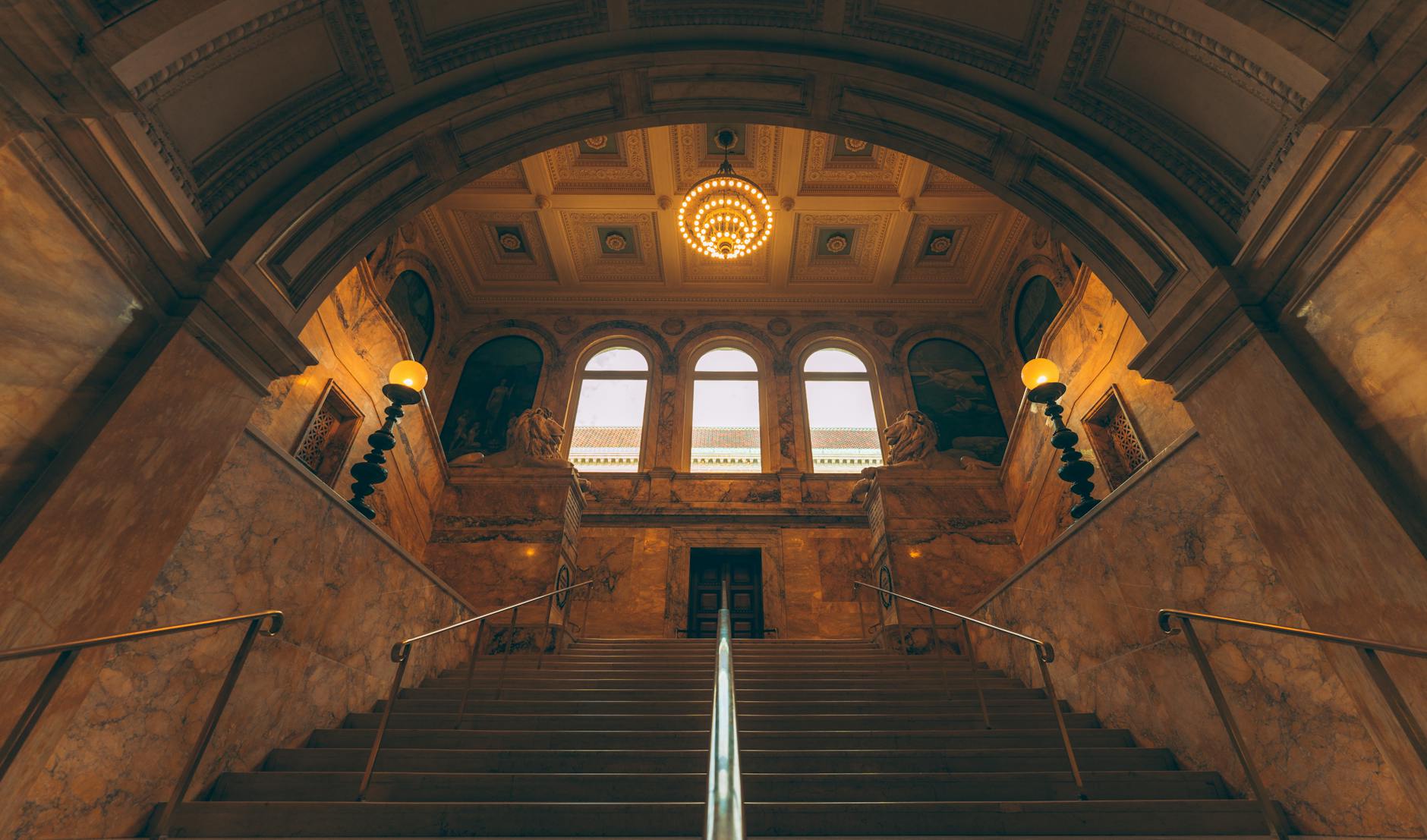
The fashion industry has a direct material interest in the survival of these spaces. French couture houses have staged runway presentations inside Versailles and the Louvre for decades, and the grandeur of those settings is not incidental – it is the point. A collection shown against gilded Louis XIV woodwork or beneath a coffered Renaissance ceiling is making an argument about lineage, about permanence, about the idea that the clothes belong in a continuum of French artistic achievement. That argument only holds if the ceilings remain intact.
Beyond the runway, French museums and palaces function as primary research institutions for designers reconstructing historical silhouettes, embroidery techniques, and textile traditions. Conservation work funded in part by American donors helps maintain archives and physical objects that inform contemporary collections. The money that flows from Houston or New York into Versailles restoration accounts eventually shows up, in some form, in what designers put on the backs of models.
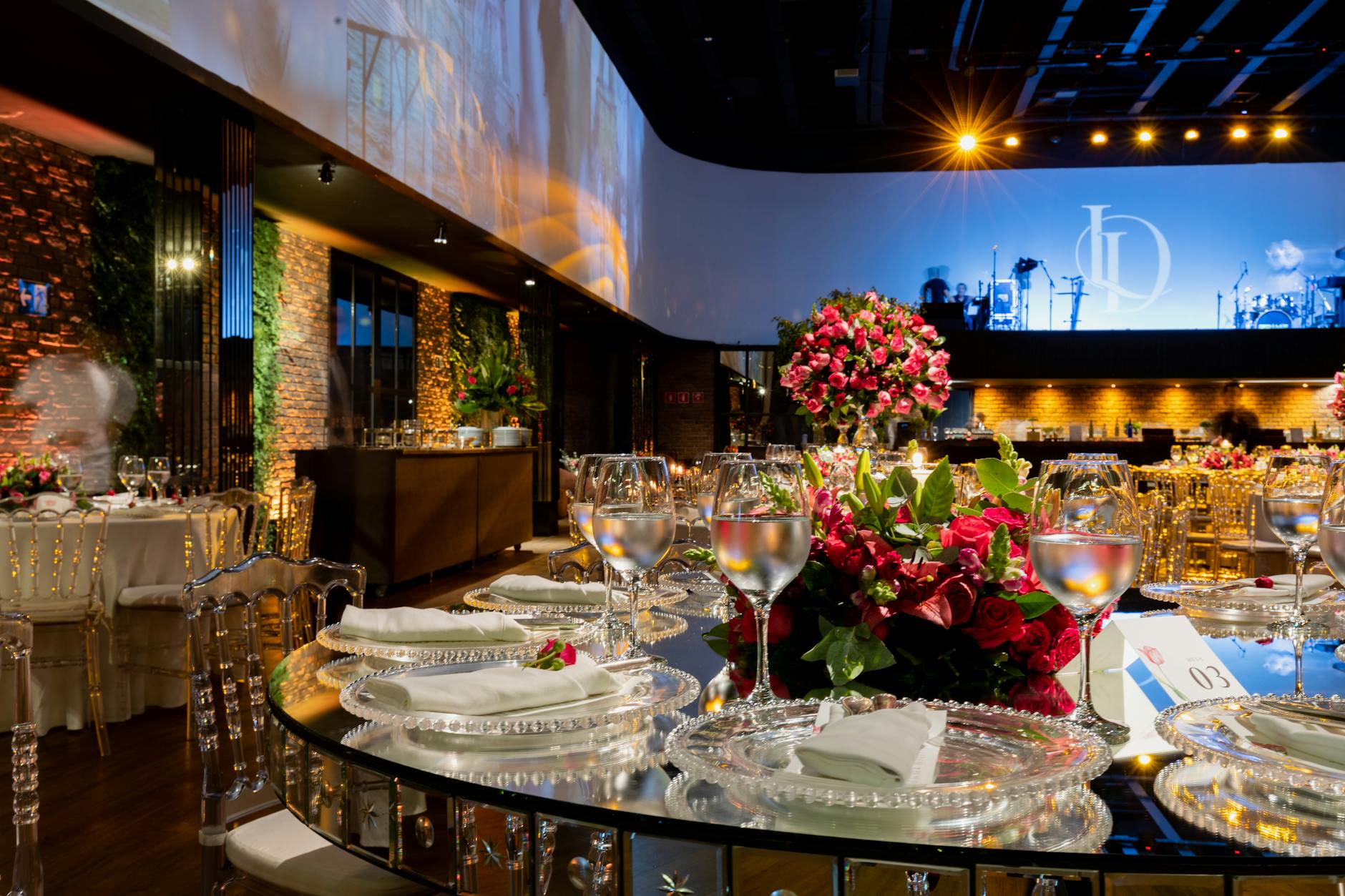
There is also a softer influence. The social world that surrounds major French cultural institutions – the galas, the donor dinners, the opening ceremonies – is heavily populated by the same figures who set the tone for luxury consumption globally. When Becca Cason Thrash organizes a fundraiser, the guest list is not incidental. It is a gathering of the people whose taste, spending, and visibility shape what luxury means in practice. Fashion has always understood that proximity to this world is worth cultivating.
The Louvre and Versailles, in turn, lend credibility to the entire ecosystem. A fashion industry that can honestly claim deep ties to these institutions – not just as rental venues, but as partners in a shared cultural project – positions itself differently than one that merely borrows famous walls for a season. American donors make that claim more sustainable by ensuring the walls stay up and the restorations stay funded.
Becca Cason Thrash and the Social Architecture of Philanthropy
Thrash represents a particular kind of fundraiser – one who operates as much through social capital as through direct giving. Her work involves building and sustaining communities of American donors who feel genuinely invested in French cultural preservation, not merely writing occasional checks. That ongoing relationship is what distinguishes serious institutional philanthropy from the one-off gestures that make for good press releases but do little for long-term conservation budgets.
The mechanics of what she does are worth noting. High-level fundraising for foreign cultural institutions requires navigating both the donor’s domestic priorities and the institution’s very specific needs. French museums and palaces do not always need general funds – they need targeted money for a specific ceiling, a particular tapestry, a wing of the garden that is sinking into the water table. Matching a donor’s appetite for significance to an institution’s actual restoration priorities is a skill that takes years to develop, and not everyone who moves in the right social circles has it.
A Long Tradition With No Clear Endpoint
American patronage of French culture predates living memory. Figures from John D. Rockefeller Jr. – who funded restoration work at Versailles in the early 20th century – to contemporary philanthropists like Thrash have maintained a chain of giving that French institutions now plan around. It is not charity in the conventional sense. It is a structural feature of how these places survive. The French state provides, private French donors contribute, and American money fills in specific, often expensive gaps.
What makes the current moment distinct is the degree to which this patronage has acquired a social and media dimension that older forms of giving lacked. A Rockefeller restoration was noted in the historical record. A gala organized by Becca Cason Thrash produces photographs, press coverage, and a visible community of people who associate themselves publicly with the project of preserving French heritage. Fashion understands this language fluently – the question is whether the institutions themselves can keep finding Americans willing to pay for the privilege of being part of the story. Versailles is still sinking in places, and the Hall of Mirrors still needs its gilding touched up, and the Louvre’s collection is still growing while its square footage is not.