



A National Milestone With a Commercial Edge
In 2026, the United States marks its 250th anniversary – the Semiquincentennial – and denim brands are already reading the room. Few categories in fashion carry the kind of cultural shorthand that denim does in relation to American identity, and a milestone of this scale puts that association directly in play for designers, manufacturers, and retailers willing to position early.
The opportunity is real, but so is the risk of misjudging the moment. Patriotic launches have a long history of landing flat when they feel like inventory clearance dressed in red, white, and blue. Getting this right means understanding what the anniversary actually represents to consumers, and what they expect from the brands that show up for it.
Why Denim Sits at the Center of This Conversation
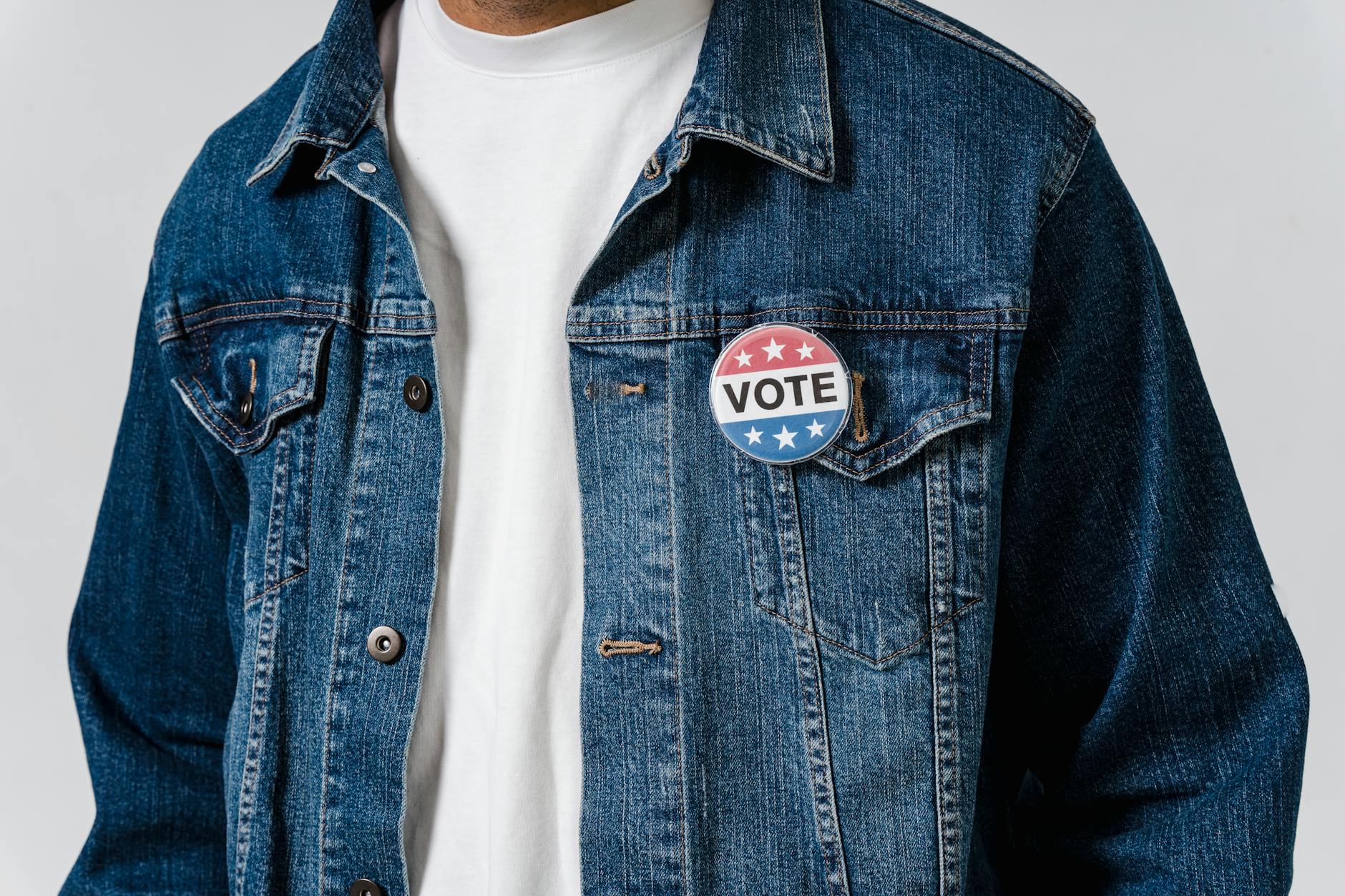
Denim has been part of the American working wardrobe since the 1870s, built for labor, adopted by counterculture, and eventually absorbed into every income bracket and age group. No other fabric category carries that same arc. When a national anniversary arrives, denim doesn’t need to manufacture a connection – it already has one, woven into the origin story of the product itself.
That history becomes a marketing foundation, but it also sets a high bar. Consumers who wear denim regularly – and in the U.S., that is nearly everyone – tend to have strong opinions about authenticity. A brand that slaps a flag patch on a back pocket and calls it a Semiquincentennial collection is going to face a different reception than one that traces its own American manufacturing history, or commissions original artwork, or partners with a cultural institution tied to the anniversary’s programming.
The brands that navigated similar moments well – major sporting events, election cycles, national tragedies and recoveries – did so by leading with product first and occasion second. The anniversary provides context. The denim still has to be worth buying. Limited-edition fabrications, heritage-inspired silhouettes with updated fits, and transparent supply chain storytelling around domestic production are all tools available to brands willing to invest the lead time required before 2026 hits its peak.
The Challenges Are Just as Specific
Capitalizing on a national anniversary without alienating a politically divided consumer base is not a minor editorial challenge. The U.S. Semiquincentennial lands in a cultural environment where patriotism itself is contested territory – different Americans attach different meanings to national symbols, and a campaign that reads as celebratory to one segment can read as tone-deaf or exclusionary to another.
Denim brands will need to make deliberate choices about visual language, casting, messaging, and price point. A $400 anniversary selvedge jean communicates something entirely different from a $69 rigid straight leg with a commemorative hangtag. Neither approach is automatically wrong, but both carry implications about who the brand thinks is worth celebrating with – and who gets left out of the party entirely.
What the Runway Moment Looks Like
Fashion show programming around the Semiquincentennial hasn’t fully materialized yet, but the groundwork for how denim brands might stage or present anniversary-tied collections is already being laid. New York Fashion Week in February 2026 will fall within the anniversary year’s opening stretch, and brands with the scale and visibility to command runway or presentation space will face a choice: acknowledge the moment directly, weave it subtly into set and styling, or ignore it and risk looking disconnected from a cultural event that will dominate retail floors throughout the year.
Presentations set in distinctly American spaces – factories, diners, highway landscapes, civic buildings – carry obvious visual resonance for anniversary-tied denim. The challenge for creative directors is avoiding the kind of heavy-handed iconography that turns a collection into a costume. The strongest runway moments tied to national identity tend to be oblique: a color story, a fabric reference, a casting choice that says something without spelling it out.
Sourcing will also be a visible part of how brands position themselves around the anniversary. Made-in-USA production has been a consistent conversation in denim for more than a decade, and a 250th anniversary year sharpens the stakes on that front. Brands that can credibly point to domestic mills, American cotton, or stateside finishing will have a tangible story to tell. Brands that can’t – and that is most of the industry – will need to decide how much weight to put on origin in their anniversary messaging, knowing that scrutiny will be higher than usual.
The window for preparation is narrowing. Product development cycles in denim typically run 12 to 18 months ahead of retail drop, which means brands aiming for strong Semiquincentennial placement through mid-2026 are already inside or approaching the design and sourcing decisions that will determine what actually makes it to the floor.
The brands that treat 2026 as a single product drop will likely get a single product drop’s worth of return. The ones building a year-long narrative – through limited releases, archival retrospectives, community partnerships, or manufacturing transparency – are playing a longer game. Whether the American denim market rewards that investment, or whether anniversary fatigue sets in before the bunting comes down, is the specific tension every brand in this space is quietly working through right now.