




Professional estheticians are ditching traditional extraction tools for ultrasonic skin scrubbers, marking a significant shift in how facial treatments achieve deep pore cleansing. These handheld devices use high-frequency vibrations to dislodge blackheads, whiteheads, and dead skin cells without the manual pressure that often leaves clients red and irritated.
The technology behind ultrasonic scrubbers operates at frequencies between 24,000 to 28,000 vibrations per second, creating microscopic bubbles that gently lift impurities from pores. Unlike manual extractions that rely on physical pressure, these devices work through cavitation – a process where sound waves create tiny air pockets that implode and remove debris from skin surfaces.
Leading spas from Beverly Hills to Manhattan report that clients request ultrasonic treatments specifically after experiencing gentler results compared to traditional facials. The tool’s popularity has grown alongside the trend toward less invasive skincare procedures, similar to how retinol alternatives made from bakuchiol are trending among dermatologists as gentler options for skin renewal.
The Science Behind Ultrasonic Deep Cleansing
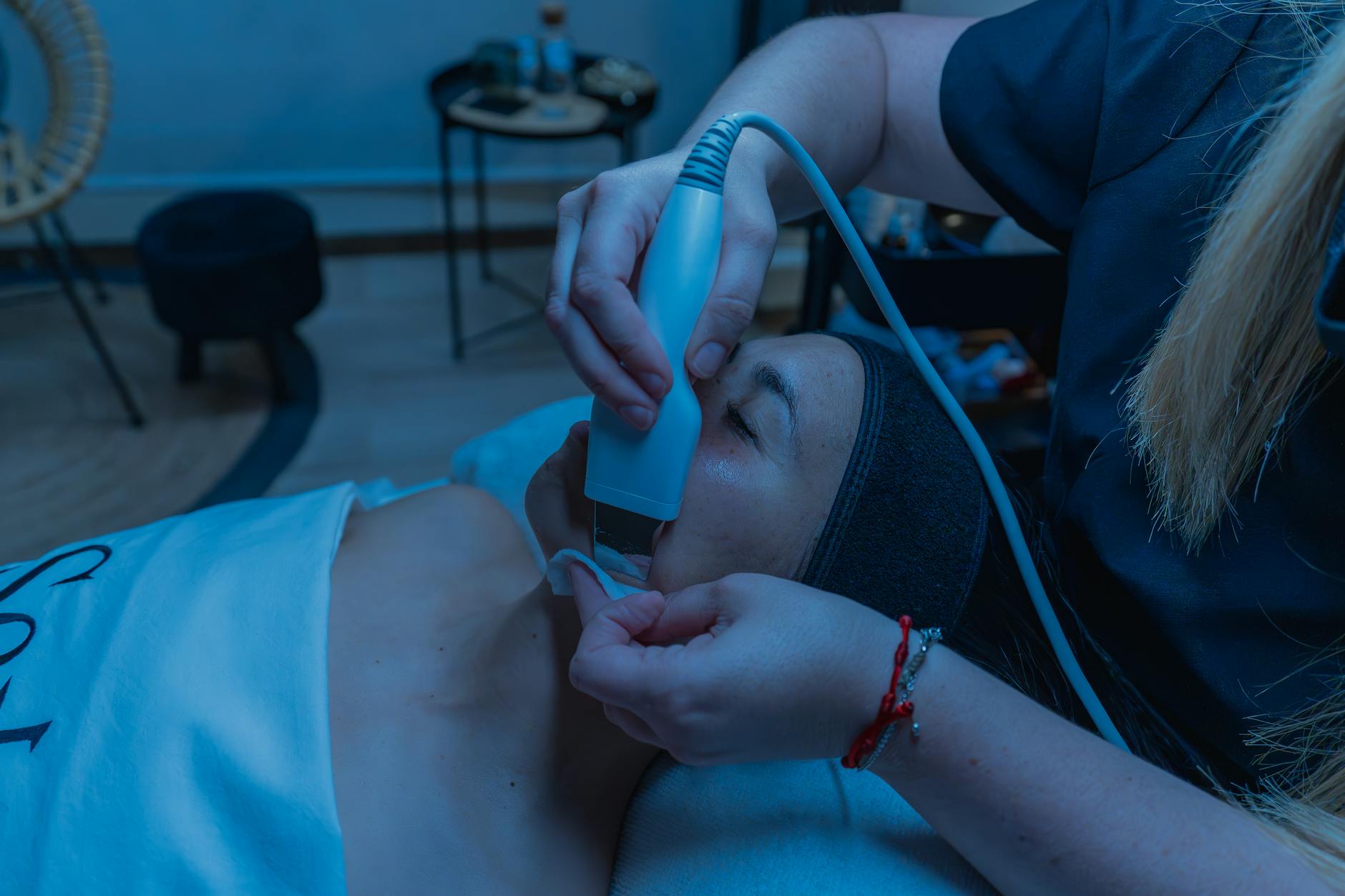
Ultrasonic skin scrubbers work through a dual-action process that combines mechanical vibration with sonic waves. The metal spatula tip vibrates at ultrasonic frequencies, creating compression waves that penetrate the skin’s surface without breaking the protective barrier. This action loosens sebum, dead skin cells, and other impurities that traditional cleansing methods leave behind.
The process begins with the application of a conductive gel or water-based solution to the skin. The ultrasonic waves travel through this medium, reaching deeper into pores than manual cleansing tools. As the device moves across the skin, it creates a phenomenon called acoustic streaming, where the sound waves generate small currents in the fluid that help dislodge trapped debris.
Professional estheticians report seeing immediate results during treatment sessions. Blackheads that would typically require forceful extraction often emerge naturally as the ultrasonic waves break down the oxidized oil and dead skin that forms these blemishes. The process is particularly effective on the T-zone area, where oil production is highest and pores tend to be most congested.
Research from dermatological studies indicates that ultrasonic frequency treatments can remove up to three times more impurities than manual cleansing alone. The vibrations also stimulate blood circulation in the treated areas, promoting cellular turnover and giving skin a healthier appearance immediately after treatment.
Professional Treatment Protocols and Client Benefits
Estheticians have developed specific protocols for incorporating ultrasonic scrubbers into their treatment menus. The typical professional session begins with a thorough double cleanse, followed by steam to soften the skin and open pores. The ultrasonic scrubber is then used in systematic passes across the face, with particular attention to congested areas.
Most professional treatments last between 15 to 20 minutes for the ultrasonic portion, integrated into longer facial sessions. Estheticians report that clients experience minimal discomfort compared to manual extractions, with many describing the sensation as a gentle tickling or light massage. The lack of physical pressure means there’s significantly less risk of capillary damage or post-treatment inflammation.
Client testimonials from high-end spas consistently mention the immediate visible results. Skin appears brighter and feels smoother immediately after treatment, without the typical redness associated with traditional extraction methods. This immediate gratification factor has made ultrasonic treatments particularly popular among clients preparing for special events or photo shoots.
The treatment is suitable for most skin types, including sensitive skin that might not tolerate aggressive manual extractions. Estheticians have found success using ultrasonic scrubbers on clients with rosacea, thin skin, or those prone to broken capillaries – conditions that would typically preclude intensive extraction treatments.
Professional results show improvements in skin texture, reduced appearance of enlarged pores, and better product absorption in subsequent skincare steps. Many estheticians report that clients’ at-home skincare products work more effectively after ultrasonic treatments, as the deep cleansing allows for better penetration of active ingredients.
Equipment Standards and Training Requirements
Professional-grade ultrasonic skin scrubbers differ significantly from consumer versions in power output, frequency precision, and build quality. Medical-grade devices used in professional settings typically feature adjustable frequency settings, allowing estheticians to customize treatments based on skin type and specific concerns.
Leading manufacturers like Dermapeel, Skin Classic, and Zemits produce devices specifically for professional use, with frequencies that remain stable throughout treatment sessions. These machines often include additional features such as LED therapy integration, multiple treatment heads for different skin areas, and precise power controls that allow for graduated intensity levels.
Training requirements for ultrasonic treatments vary by state, but most professional estheticians complete specialized courses covering the physics of ultrasonic therapy, proper technique, and safety protocols. The learning curve is relatively gentle compared to manual extraction mastery, with most licensed estheticians able to incorporate the tools effectively after focused training sessions.
Safety considerations include proper skin preparation, appropriate pressure application, and recognition of contraindications. Clients with certain medical devices, active skin infections, or recent cosmetic procedures may not be suitable candidates for ultrasonic treatments. Professional estheticians are trained to conduct thorough consultations and modify treatments accordingly.
Market Impact and Future Applications
The adoption of ultrasonic skin scrubbers reflects broader trends in the beauty industry toward technology-driven solutions that deliver professional results with reduced downtime. This shift parallels developments in other skincare categories, where innovative tools are replacing traditional methods like jade rollers for at-home skincare.
Professional spa revenues have seen positive impacts from offering ultrasonic treatments, with many establishments reporting higher client retention rates and increased treatment frequency bookings. The gentle nature of the treatments allows for more frequent sessions compared to aggressive extraction facials, creating opportunities for ongoing client relationships and regular skincare maintenance programs.
Industry analysts project continued growth in ultrasonic skincare technology, with developments focusing on enhanced precision and integration with other treatment modalities. Some professional devices now combine ultrasonic cleansing with microcurrent therapy, LED light treatment, or radiofrequency for comprehensive facial rejuvenation sessions.
The technology’s success in professional settings has also driven innovation in at-home devices, though estheticians emphasize that professional treatments remain more effective due to higher power outputs and expert technique. As the beauty industry continues evolving toward gentler, technology-enhanced treatments, ultrasonic skin scrubbers represent a significant advancement in achieving deep cleansing results without traditional extraction trauma.
Frequently Asked Questions
How do ultrasonic skin scrubbers work?
They use high-frequency vibrations (24,000-28,000 per second) to create microscopic bubbles that gently lift impurities from pores without manual pressure.
Are ultrasonic treatments suitable for sensitive skin?
Yes, they’re gentler than manual extractions and suitable for most skin types, including sensitive skin and those with rosacea or thin skin.