




A French Recycler Bets on Infrastructure Over Intention
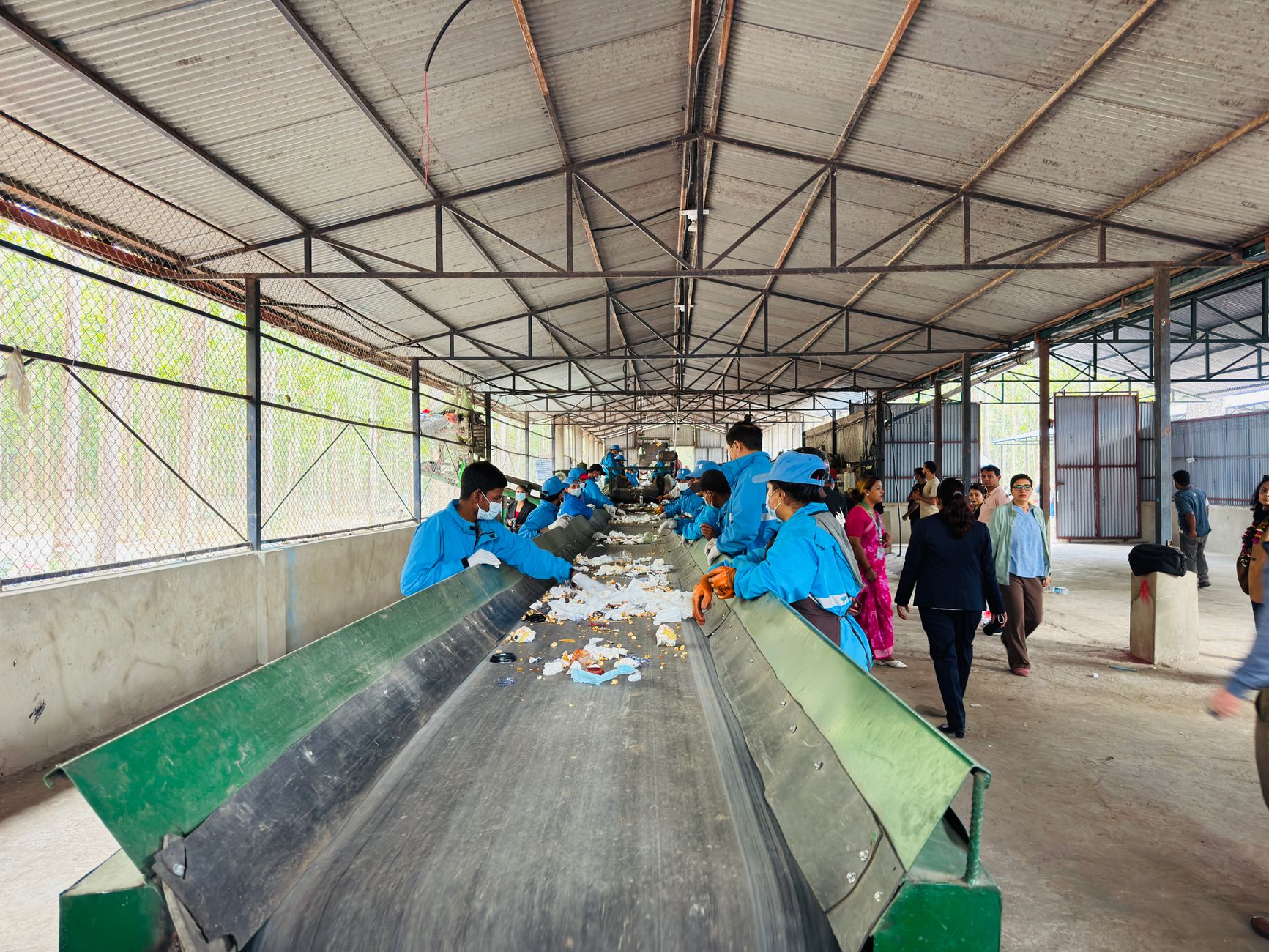
Reju, the French textile recycler, is not waiting for the fashion industry to clean up after itself voluntarily. The company is building recycling hubs and has locked in six mill partnerships, positioning itself to deliver regenerated polyester at a scale that makes it operationally viable for brands – not just a marketing footnote. The strategy is deliberate: create the infrastructure first, then pressure brands to actually use it.
What separates Reju’s approach from the wave of sustainability pledges that have cycled through fashion for the past decade is the specificity of its commitments. Recycling hubs. Six named mill partners. A material – regenerated polyester – that feeds directly back into the production chain rather than sitting in a concept deck. The company is building a circular system with physical weight behind it.
Why Mill Partnerships Are the Actual Leverage Point
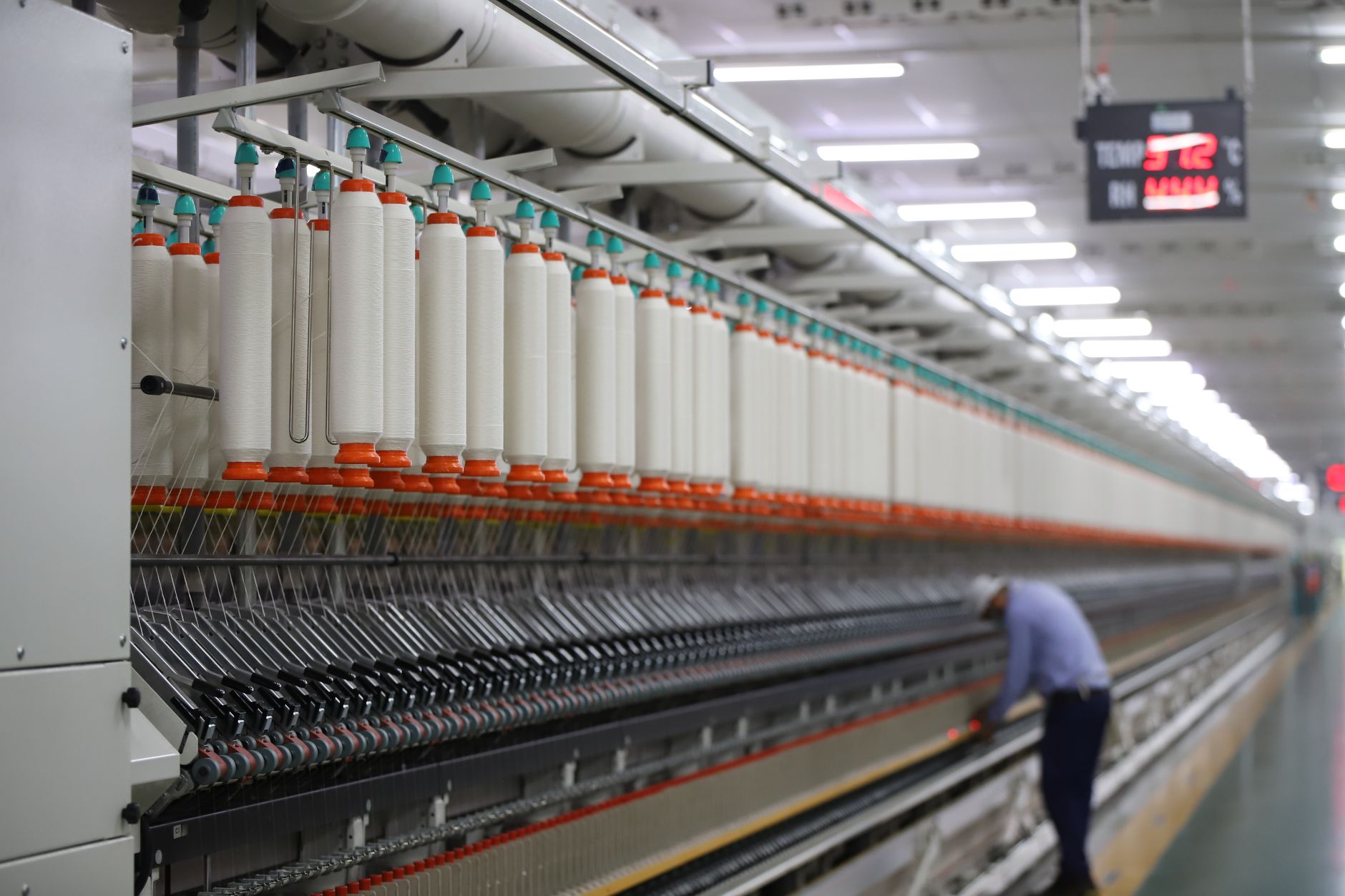
Six mill partnerships may sound modest in an industry that measures supply chains in the thousands, but they represent something most recycling initiatives never reach: a direct line from recovered textile waste into new fabric production. Reju is threading itself into the manufacturing layer of fashion, not hovering above it as a third-party offset vendor. That positioning matters because it removes one of the standard excuses brands give for not sourcing recycled fiber – that it isn’t available in reliable, production-ready supply.
The mill partnerships also shift accountability. When a brand works with a mill already connected to Reju’s regenerated polyester supply, the decision to use virgin polyester instead becomes a choice, not a logistical limitation. Reju is essentially closing the gap between “we support recycling” and “we use recycled material in this garment.” That gap has historically been where sustainability commitments go to die.
Regenerated polyester, as opposed to mechanically recycled polyester, retains fiber quality closer to virgin material. This matters for mills producing performance wear, outerwear linings, or anything where fabric integrity is non-negotiable. Reju’s chemical recycling process is designed to meet that bar – which is why mill buy-in is possible at all. A material that degrades with each recycling cycle is a hard sell to a production partner; one that performs on par with virgin feedstock is a different conversation entirely.
The Demand Problem Reju Cannot Solve Alone
Reju is direct about one structural reality: brands have to help pull this system into existence. Supply-side infrastructure alone does not move a circular economy forward. If brands continue to source virgin polyester at volume because it is cheaper or more contractually convenient, the recycling hubs and mill partnerships become stranded assets – technically functional, commercially underutilized.
The fashion industry’s relationship with textile waste has long been defined by a mismatch between what brands say at a sustainability summit and what their procurement teams actually sign. Reju’s system creates a visible, traceable alternative – but visibility does not automatically generate purchase orders. The company is building what amounts to a standing offer, and the question of whether brands will accept it at the volumes needed to justify ongoing hub expansion remains genuinely open.
What the Recycling Hub Model Signals About Fashion’s Waste Future
Fashion generates textile waste at a volume that outpaces nearly every current recovery mechanism. Chemical recycling hubs, the kind Reju is establishing, are one of the few approaches that can process blended fabrics – the polyester-cotton mixes and multi-fiber constructions that dominate fast fashion production and that mechanical recycling handles poorly. By building hubs rather than a single centralized facility, Reju is also addressing the logistics problem: textile waste is heavy, collection is fragmented, and long transport distances eat into both the economics and the carbon math of recycling.
The hub model implies regional collection infrastructure, which means Reju’s expansion is not just about chemistry – it is about building a network that can actually gather what needs to be recovered. That is the part of textile recycling that rarely gets discussed: the sourcing of waste itself is a supply chain challenge, no less complex than sourcing cotton or synthetics from primary producers.
Six mill partnerships give Reju a demand signal to work backward from. If those mills commit to a certain volume of regenerated polyester annually, Reju knows what its hubs need to process to stay economically viable. This kind of demand-anchored planning is how industrial recycling systems scale in other sectors – aluminum, plastics, paper – and its relative absence in fashion has been part of why textile recycling has struggled to move beyond pilot programs.
The runway here is long, and the numbers are not yet public. Reju has not disclosed the processing capacity of its hubs, the contracted volumes with its six mill partners, or the price differential between its regenerated polyester and virgin alternatives. Those details will ultimately determine whether this infrastructure translates into a functioning market or remains a well-engineered prototype that brands admire and underfund.
What Reju has built so far is a system that makes saying no to recycled fiber harder to justify. Whether that is enough depends on how seriously brands treat their procurement decisions as sustainability decisions – and whether any of Reju’s six mill partners have already started converting their orders.