





Harper’s Bazaar has put a number on its sniffle-prevention strategy: 14 hacks that its editors rely on to stay healthy through the colder months.
The list splits into two camps. One holds the tried-and-true tricks everyone has heard a hundred times. The other holds what the magazine calls the weird, wacky and outlandish ways to head off a cold or fight one once it arrives. That second category is the reason anyone clicks.
For a fashion audience, the framing makes sense. Autumn and winter bring the heaviest stretch of the working calendar, with fittings, travel, evening events and early call times, and a streaming nose does not respect any of it. Staying well is a styling problem as much as a health one, and the people who work in this industry have strong, sometimes strange, opinions about how to manage it.
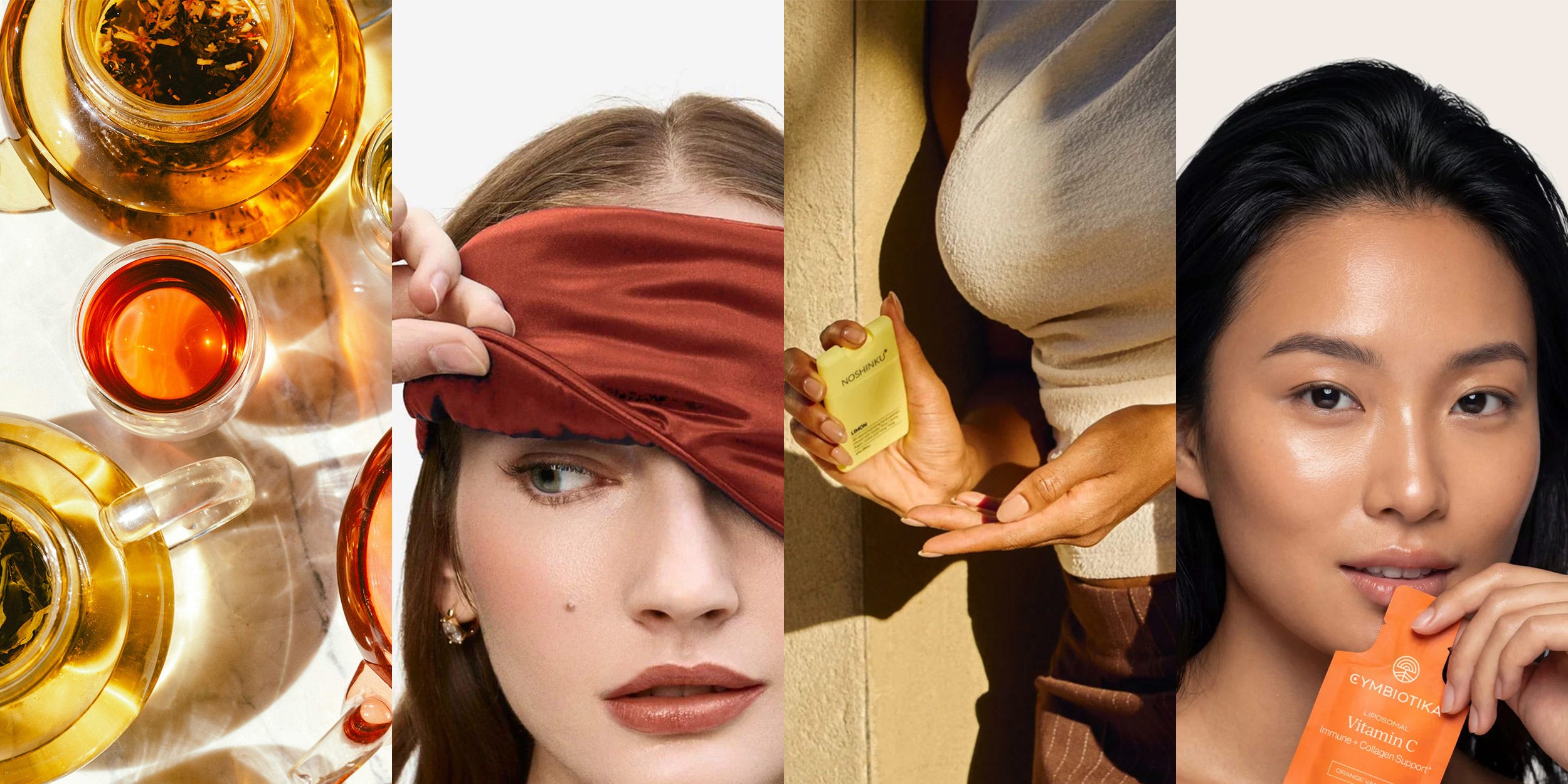
Why the Strange Remedies Get the Attention
Nobody has ever shared a tip about washing their hands for twenty seconds and gone viral. The remedies that travel are the ones with texture: a ritual, an unlikely ingredient, a habit that sounds slightly absurd when said aloud. Bazaar understands this, which is why its roundup leans into the oddball end of the spectrum instead of repeating the pamphlet advice.
That appetite for the unusual is not new, and it is not limited to cold season. Wellness has become a conversation that fashion editors, models and celebrities actively take part in. Supplements are a good example: when Hailey Bieber shared her review of Arrae creatine supplements, it landed in the same feeds as runway recaps and skincare routines. Health habits now circulate as lifestyle content, and a cold-prevention list from a major magazine fits right in.
The risk is that novelty and effectiveness are two separate things. A remedy can be charming, photogenic and widely repeated without doing much at all. Readers get the most out of a list like this by treating it the way they would treat a friend’s recommendation over dinner: interesting, worth considering, not a substitute for medical advice. Anything that involves swallowing, inhaling or applying something unfamiliar deserves a quick check with a pharmacist or doctor first, especially for anyone who takes regular medication.
The Case for Treating a Cold as a Scheduling Threat
Consider what a cold actually costs someone who works in fashion or beauty. Congestion puffs up the face. Constant tissue use chafes the skin around the nose and lips. A cough or a hoarse voice makes a presentation, a shoot or a front-row seat miserable. Makeup sits differently on skin that is dry, irritated or flushed, and no concealer fully hides the look of someone who slept badly for three nights.
Prevention, then, is partly about vanity and mostly about logistics. A person who loses four days to illness in a busy month has not just lost four days; they have shifted deadlines onto colleagues and missed appointments that are hard to rebook. Treating immune health as part of the weekly routine, in the same category as a skincare regimen or a packed carry-on, is a sensible way to look at it.
The basics still carry most of the weight. Sleep, hydration, regular hand-washing and staying home when you are clearly unwell are dull, and they remain the foundation under any quirky add-on. The more unusual habits Bazaar’s editors swear by are best understood as the garnish. They may add comfort or routine or a small psychological lift, and that has some value on its own, but they work best on top of the unglamorous essentials rather than in place of them.
There is also a quieter appeal to the editor-driven format. A named group of people who say they use these methods, season after season, gives the advice a human face that a generic health article lacks. Readers can picture the person with the tote bag full of tonics, the one who keeps a particular scarf at her desk for exactly this purpose. That sense of lived habit, more than any single tip, is what makes these roundups so shareable.

So which of the 14 would you actually try, and which would you only read about from a safe, well-rested distance?