



On is filling in the American map one suburban mall at a time. The Swiss running brand has opened stores in the suburbs of Miami, Philadelphia and Washington, D.C., part of a run of four new U.S. locations in three months.
The next one is already on the calendar. A Dallas-area store is slated to open next month.
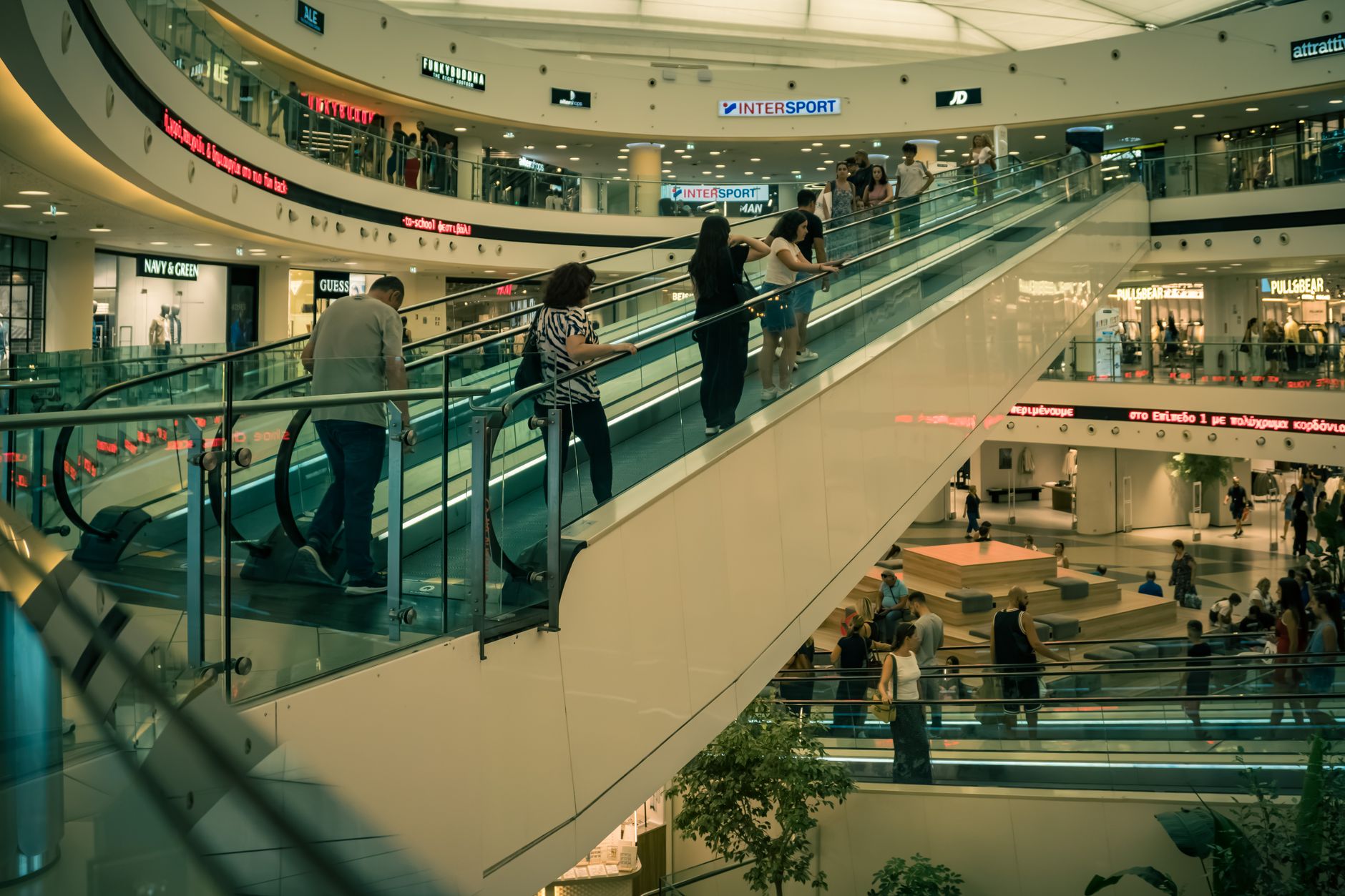
Two of the new addresses are identifiable from the project details: Aventura, in the Miami area, and Tysons Corner, the retail hub outside the nation’s capital. Neither is a flagship street address in a fashion capital. Both are the kind of destination shopping center where people drive in with a list, a budget and an afternoon.
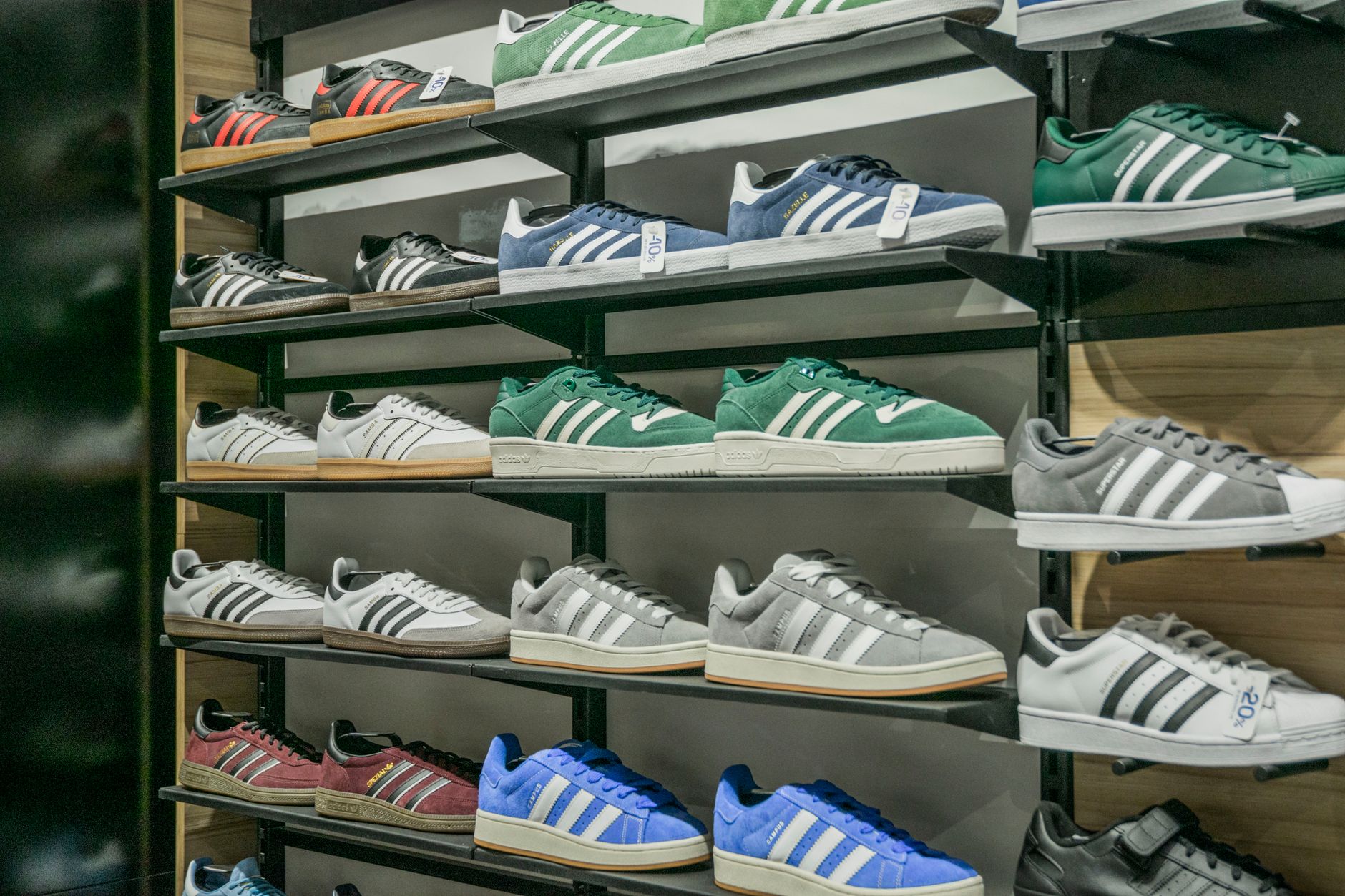
Why the suburbs, and why now
Opening in the suburbs of three major metro areas says something about who On wants to reach. Downtown flagships are built for tourists, press visits and brand theater. A store in Aventura or Tysons Corner is built for repeat customers: the parent shopping for a teenager’s cross-country season, the office worker who runs at lunch, the recreational half-marathoner whose current pair is two seasons past retirement.
Running footwear is also a category where trying on matters more than in most. Fit, cushioning feel and the way a shoe rolls forward at speed are hard to judge from a product page. A physical store gives a brand the chance to put a shoe on a foot and let the customer jog a few steps. That is a sales argument, and it is also a retention argument, since a shopper who gets the fit right the first time tends to come back for the next model.
Pace matters too. Four stores in about three months works out to a new opening every few weeks, which is closer to a rollout schedule than a series of experiments. Brands testing the waters tend to open one location, study it for a year and then decide. Opening across three regions in a single quarter, with a fourth market following immediately, suggests On has already made that decision.
The geography is doing some of the talking
Look at the spread. South Florida, the Mid-Atlantic corridor, the Philadelphia area and now Texas cover very different climates, running cultures and consumer habits. Miami’s suburbs skew toward year-round outdoor activity and a strong appetite for style-forward athletic wear. The Washington region has a dense population of serious runners and a calendar full of organized races. Philadelphia’s suburbs bring a long-established running community and cold winters that push shoppers indoors to buy gear. Dallas adds sheer population and sprawl, a market where a single store can draw from a wide radius.
That variety works as a stress test. If the same store format performs in all four places, On gets a template it can repeat without redesigning the concept for each region.
The competitive backdrop explains some of the urgency. Rivals are pushing hard on performance credibility; Adidas Adizero’s sweep of the 2026 Majors is a reminder of how much marketing weight race results carry. A brand cannot answer a podium with a billboard alone. It answers with shelf space and trained staff in the places where customers actually buy running shoes, and in that contest the mall in the suburbs counts for more than a pop-up in a trendy neighborhood.
What a store buys that a website cannot
A retail location earns its keep in several ways at once. It sells product, of course. It also works as a billboard that never switches off, a returns desk that can steer customers toward a better fit instead of a refund, and a data point on which colorways and models move in which zip codes.
Then there is the matter of control. Inside its own stores, On sets the presentation, the pricing context and the story told about each shoe. Wholesale partners carry many brands side by side, and a shopper comparing three pairs on a wall may leave with whichever was closest to the register. In a dedicated store, the comparison is among On’s own models, which is a far friendlier contest.
None of this is free. Leases in prime suburban malls are expensive, staffing a fitting-focused floor takes training, and a store that underperforms is a visible mistake. Moving this fast tells you the company believes demand is already there, not something it hopes to create after the doors open.
Next Stop: Texas
The Dallas-area opening next month will be the first real test of whether On’s pace holds, and whether a store in Texas draws the same kind of crowd as one in Aventura or Tysons Corner.