



The secret to glass skin isn’t locked away in Seoul’s humidity-controlled beauty clinics. Western skincare enthusiasts have been chasing the luminous, poreless complexion that defines Korean beauty standards, often abandoning routines when they fail to deliver in dry climates, cold winters, or pollution-heavy cities. But dermatologists and K-beauty experts are now adapting traditional Korean glass skin techniques specifically for Western environmental challenges.
Glass skin, characterized by its dewy, reflective quality that mimics actual glass, requires more than just layering multiple products. It demands understanding how Korean techniques translate across different climates, water qualities, and lifestyle factors that affect skin barrier function. The breakthrough comes from modifying application methods, timing, and ingredient concentrations rather than completely overhauling product selections.
The Double Cleanse Revolution for Hard Water Areas
Korean glass skin begins with the double cleanse, but Western hard water creates unique challenges. The high mineral content in many Western cities interferes with cleansing oil effectiveness and can leave residue that blocks the penetration of subsequent skincare layers.
The adapted technique involves using a micellar water pre-cleanse before the oil cleanser, particularly in areas with calcium-heavy water. This extra step removes makeup and initial surface impurities without the oil having to work through mineral deposits. Korean skincare expert Liah Yoo, who built her following by adapting K-beauty for international audiences, emphasizes using lukewarm water temperatures that feel cool to the touch rather than the warm water traditionally recommended.
For the second cleanse, foam cleansers work better than cream cleansers in hard water areas. The foam structure maintains its integrity despite mineral interference, ensuring thorough removal of the oil cleanser. Dermatologist Dr. Shereene Idriss notes that Western practitioners often skip the crucial 60-second massage during the oil cleanse phase, which is essential for achieving the deep pore clarity that creates glass skin’s smooth texture.
The timing also shifts for Western climates. In Korea’s humid environment, double cleansing happens morning and night. In dry Western climates, morning cleansing can strip necessary oils, so many adapt the routine to a thorough double cleanse at night with a gentle single cleanse in the morning using only micellar water or a low-pH gel cleanser.
Layering Serums for Low-Humidity Environments
The Korean “7-skin method” of layering toners becomes problematic in low-humidity environments where products evaporate before absorption. The Western adaptation focuses on strategic layering with humectant-rich products that actually pull moisture from the environment rather than losing it.
The modified approach uses three layers maximum, with each layer containing different molecular weights of hyaluronic acid. The first layer uses high molecular weight hyaluronic acid that sits on the skin surface, the second uses medium weight that penetrates partially, and the third uses low molecular weight that reaches deeper layers. This creates a moisture gradient that works even in dry indoor heating or air conditioning.
Fermented ingredients, traditionally used in Korean skincare and gaining popularity in modern formulations like those explored in advanced fermented skincare serums, become crucial in Western adaptations. The fermentation process breaks down molecules, making them more readily absorbed in challenging climate conditions.
Application technique differs significantly from traditional Korean methods. Instead of patting products into skin, the Western climate adaptation requires pressing and holding each layer for 15-20 seconds to ensure absorption before applying the next. This prevents product evaporation and ensures each layer creates the foundation for glass skin’s characteristic smoothness.
The ingredient timing also shifts. In Korea, vitamin C typically goes early in the routine. In pollution-heavy Western cities, vitamin C works better as a protective morning step, while evening routines focus on repair ingredients like retinol or peptides that work overnight when environmental stressors are minimal.
Facial Massage Adaptations for Different Skin Types
Korean glass skin techniques heavily emphasize facial massage, but the pressure and direction require modification for Western skin that’s often more sensitive due to environmental damage and different genetic predispositions.
The lymphatic drainage massage that’s fundamental to Korean glass skin gets adapted to focus on areas where Western lifestyles create specific tension patterns. Office workers develop different muscle tension than agricultural workers, and urban pollution creates inflammation patterns that require targeted massage techniques.
The Korean technique uses upward and outward strokes with significant pressure. The Western adaptation reduces pressure by half and incorporates more circular motions around areas prone to environmental damage – particularly the eye area affected by screen time and the jawline affected by stress-related tension.
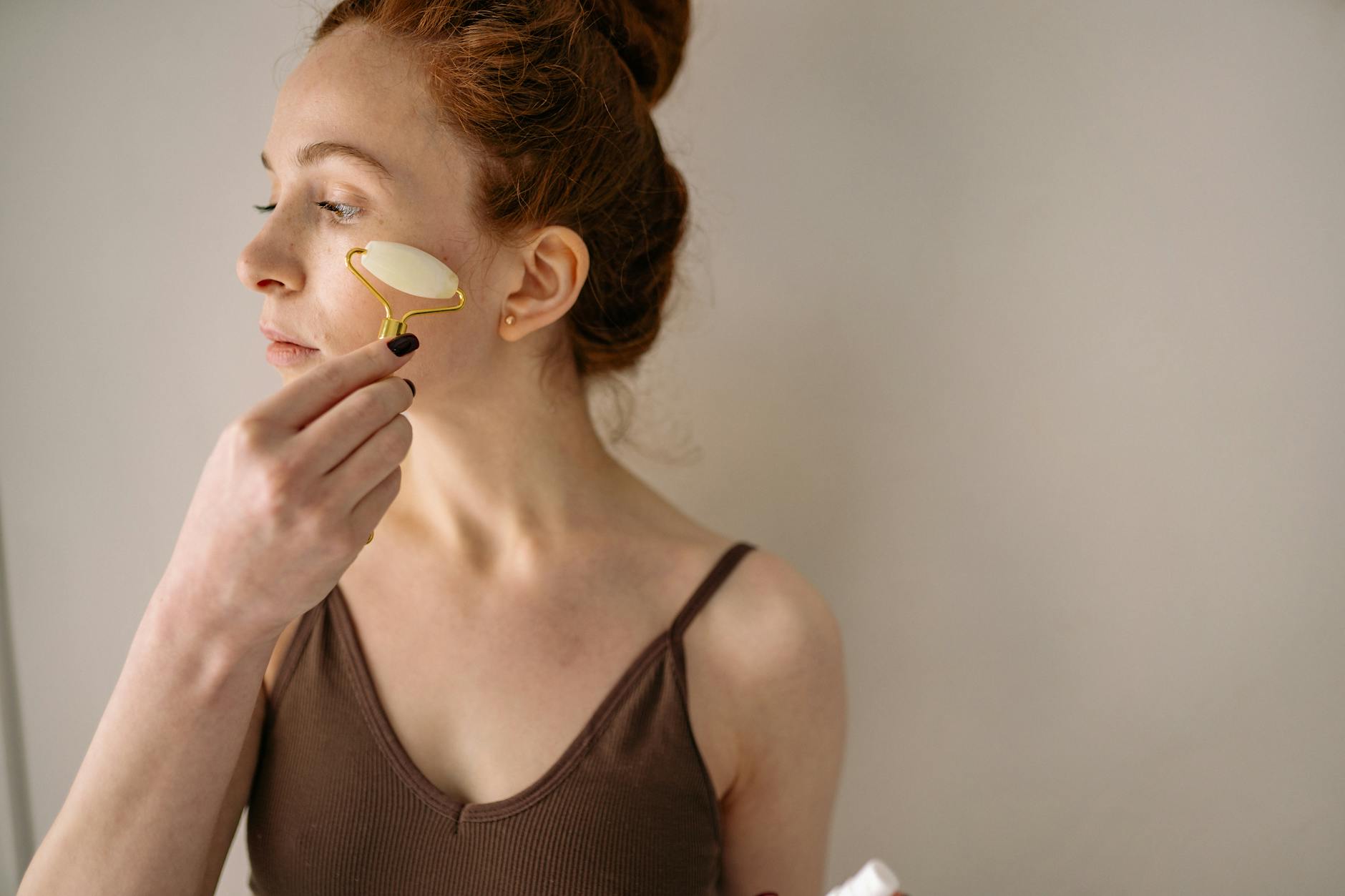
Tool usage also shifts. Jade rollers and gua sha stones, popular in Korean routines, work differently in dry climates. The tools need to be used with facial oils or serums rather than on clean skin, and the session duration extends from 2-3 minutes to 5-7 minutes to achieve the same circulation benefits in less responsive, environmentally-stressed skin.
Temperature contrast becomes more important in Western adaptations. The massage incorporates cool tools in the morning to reduce puffiness caused by indoor heating, and slightly warm tools in the evening to increase product penetration in skin that’s been exposed to air conditioning or cold weather.
Sealing Techniques for Environmental Protection
The final step in Korean glass skin – achieving the dewy, reflective finish – requires completely different sealing techniques in Western climates. Korean humidity naturally helps maintain the glowing look throughout the day, but Western environments strip moisture rapidly.
The Western adaptation uses strategic occlusive layering. Instead of a single moisturizer, the routine incorporates a lightweight, fast-absorbing moisturizer followed by strategic application of heavier occlusives only on areas that lose moisture quickly – typically the cheek apples, around the eyes, and the center of the forehead.
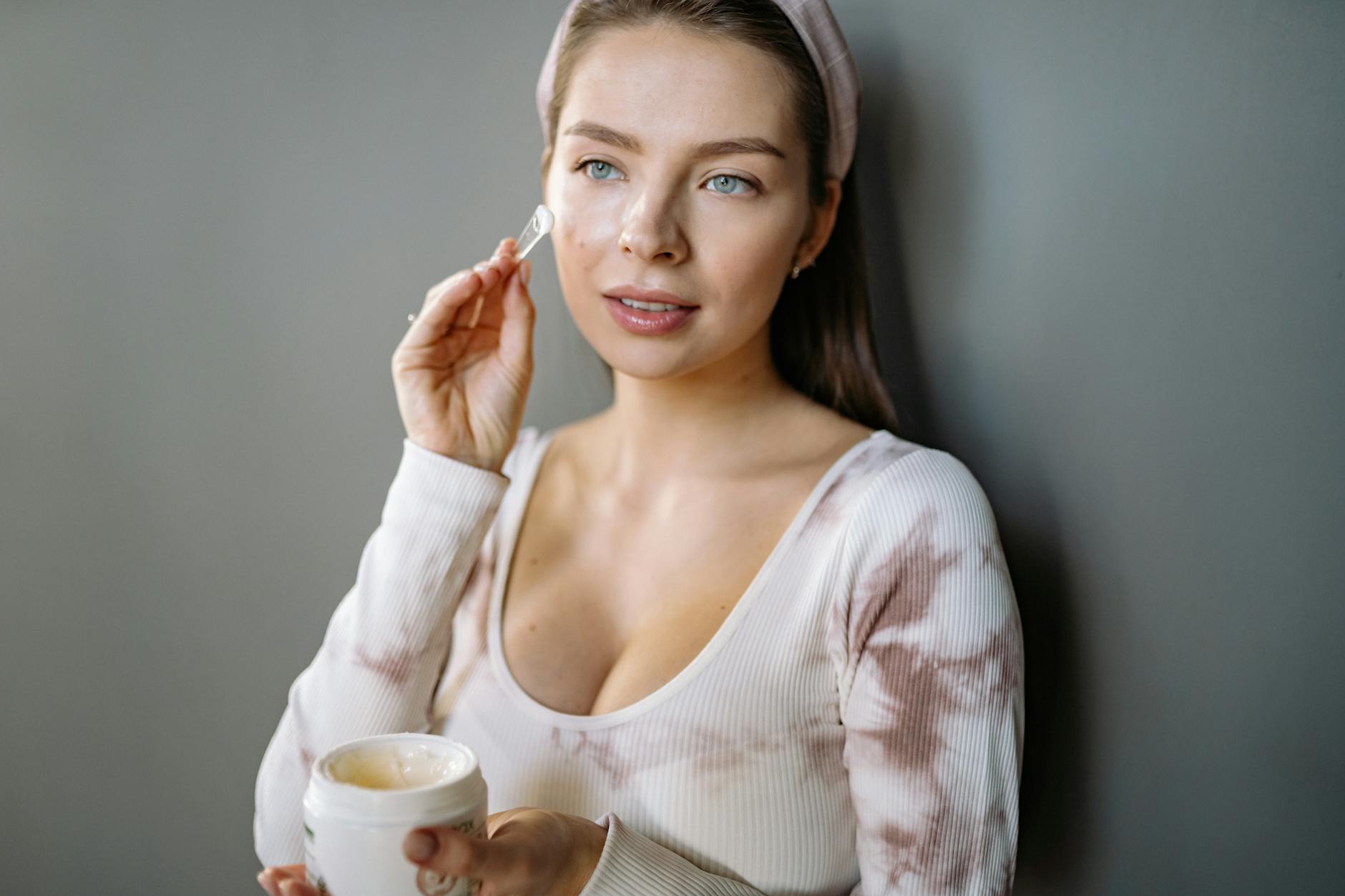
Facial oils become more critical in Western adaptations, but the application method changes. Rather than applying oil over moisturizer as in traditional Korean routines, the Western method mixes 1-2 drops of facial oil with the moisturizer for even distribution and better absorption in dry conditions.
Sunscreen application also adapts for glass skin maintenance. In Korea, sunscreen goes over the entire routine. In Western climates with varying UV exposure, the sunscreen gets mixed with the final moisturizer step to maintain the dewy finish while providing protection. This prevents the matte effect that separate sunscreen application often creates.
The makeup integration differs significantly. Korean glass skin often shows through minimal makeup, but Western environmental conditions require more coverage for protection. The adaptation involves using illuminating primers that maintain the glass effect under foundation, and strategic highlighter placement that mimics natural glass skin luminosity even with fuller coverage makeup.
As beauty technology advances and climate-controlled environments become more common, glass skin techniques will likely evolve further. The current Western adaptations prove that achieving luminous, healthy skin isn’t climate-dependent – it simply requires understanding how environmental factors affect skin barrier function and adjusting traditional techniques accordingly. The glass skin trend continues gaining momentum not because it’s unattainable in Western climates, but because these adaptations make it accessible to anyone willing to understand their skin’s specific environmental challenges.
Frequently Asked Questions
Can glass skin techniques work in dry Western climates?
Yes, with modifications like reduced layering, strategic occlusive use, and adapted application methods for low-humidity environments.
How does hard water affect Korean skincare routines?
Hard water interferes with cleansing oils and requires pre-cleansing with micellar water and longer massage times for effectiveness.