



Dermatology conferences across the country are buzzing with talk of a purple flower extract that’s challenging retinol’s decades-long reign as the gold standard anti-aging ingredient. Bakuchiol, derived from the seeds and leaves of the Psoralea corylifolia plant, is gaining serious momentum among skincare professionals who’ve watched patients struggle with retinol’s notorious side effects for years.
The timing couldn’t be better. As consumers increasingly seek gentler alternatives to harsh actives, bakuchiol offers the promise of retinol-like benefits without the redness, peeling, and sun sensitivity that sends many people running from their nighttime routines. Board-certified dermatologists are taking notice, with many now recommending bakuchiol-based products as first-line treatments for patients with sensitive skin or those pregnant and breastfeeding women who must avoid retinoids entirely.
Clinical Evidence Drives Professional Adoption
The science backing bakuchiol’s anti-aging credentials has convinced skeptical dermatologists who initially dismissed plant-based retinol alternatives as marketing hype. A landmark 2018 study published in the British Journal of Dermatology compared bakuchiol to retinol in a 12-week trial, finding both ingredients delivered similar improvements in wrinkles, pigmentation, and skin elasticity. The crucial difference? Bakuchiol achieved these results without causing irritation.
Dr. Rajani Katta, a board-certified dermatologist and clinical professor at Baylor College of Medicine, has been incorporating bakuchiol recommendations into her practice for the past two years. “What impressed me most about the research was seeing comparable efficacy with significantly better tolerability,” she explains. “For patients who couldn’t tolerate retinol or were looking for pregnancy-safe options, bakuchiol filled a real gap in our treatment arsenal.”
The mechanism behind bakuchiol’s anti-aging effects differs from retinol’s approach. While retinol works by binding to retinoic acid receptors in skin cells, bakuchiol stimulates collagen production through gene expression changes and provides antioxidant protection. This gentler pathway explains why users can apply bakuchiol morning and evening without the photosensitivity concerns that limit retinol to nighttime use only.
Recent studies have also highlighted bakuchiol’s anti-inflammatory properties, making it particularly appealing for patients dealing with both aging concerns and sensitive skin conditions like rosacea or eczema. Unlike retinol, which can exacerbate inflammation during the adjustment period, bakuchiol appears to calm skin while delivering anti-aging benefits.
Product Formulations Evolve Beyond Single Ingredients
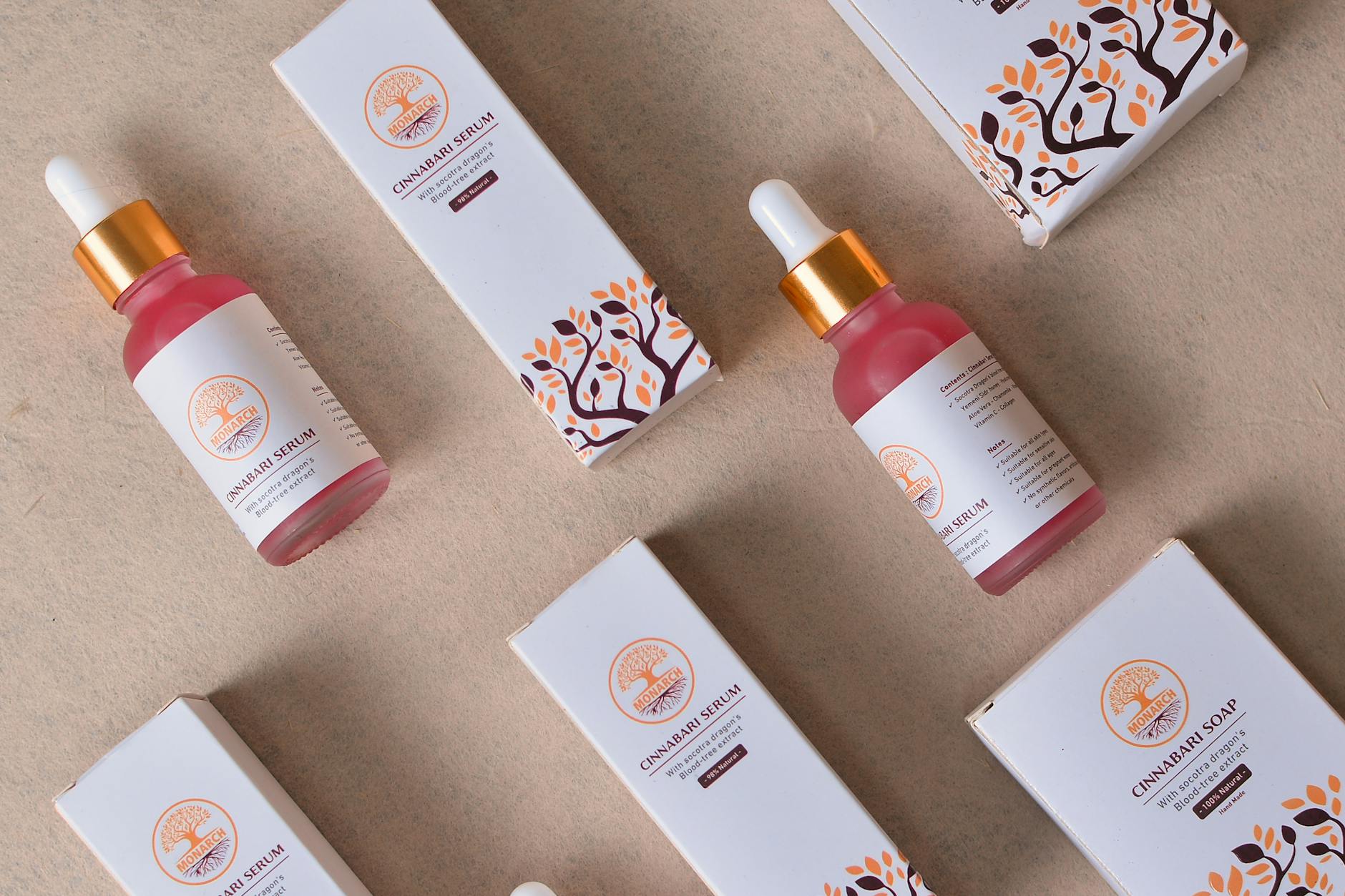
The skincare industry has responded to professional interest with increasingly sophisticated bakuchiol formulations. Early bakuchiol products simply substituted the botanical ingredient for retinol, but newer formulations combine bakuchiol with complementary actives to enhance efficacy.
Popular combinations include bakuchiol with vitamin C for enhanced antioxidant protection, peptides for additional collagen support, and hyaluronic acid for hydration. Some brands are even creating hybrid products that pair low concentrations of retinol with bakuchiol, allowing users to benefit from both ingredients while minimizing irritation potential.
The concentration game has also evolved. Initial bakuchiol products contained anywhere from 0.5% to 2% of the active ingredient, but dermatologists are now seeing better results with products in the 1-2% range when combined with proper delivery systems. Encapsulation technology and time-release formulations have improved bakuchiol’s stability and skin penetration, addressing early concerns about the ingredient’s effectiveness compared to retinol’s well-established delivery methods.
Professional-grade bakuchiol products are also entering the market through dermatology offices and medical spas. These higher-concentration formulations, typically available only through licensed practitioners, represent a significant shift toward treating bakuchiol as a serious therapeutic ingredient rather than a gentle alternative for sensitive skin types.
Patient Response Shapes Treatment Protocols
The real-world patient experience with bakuchiol has exceeded many dermatologists’ expectations, particularly among demographics who struggled with traditional retinoids. Pregnant and breastfeeding women, who must avoid retinol for safety reasons, have found bakuchiol provides a way to maintain their anti-aging routines during these periods.
Mature patients with sun-damaged skin have also responded well to bakuchiol’s gentler approach. Many report being able to use the ingredient consistently without the adjustment period that often derails retinol routines. This consistency proves crucial for anti-aging results, as interrupted use significantly diminishes benefits from any active ingredient.
The morning-use advantage has particularly resonated with busy professionals who prefer single-step routines. Unlike retinol users who must maintain separate morning and evening regimens, bakuchiol users can apply their anti-aging treatment once daily and still achieve noticeable results.
Patient feedback has also highlighted bakuchiol’s compatibility with other popular treatments. Those combining bakuchiol with professional procedures like chemical peels or micro-needling treatments report faster healing times and less post-procedure sensitivity compared to their previous experiences with retinol-based home care regimens.
Integration with Modern Skincare Approaches
Forward-thinking dermatologists are positioning bakuchiol within broader skincare philosophies that emphasize skin barrier health and gentle, consistent care. This approach aligns with growing consumer awareness about over-exfoliation and the importance of maintaining healthy skin microbiomes.
The ingredient’s anti-inflammatory properties make it particularly valuable in combination approaches that layer multiple gentle actives rather than relying on single high-strength ingredients. Dermatologists report success with protocols that combine bakuchiol with ceramides, niacinamide, and botanical extracts for comprehensive anti-aging benefits without compromising skin barrier function.
Professional treatment rooms are also adapting to incorporate bakuchiol into facial protocols and post-procedure care regimens. The ingredient’s soothing properties make it ideal for immediate post-treatment application, while its collagen-stimulating effects enhance long-term results from professional procedures.
As the beauty industry continues evolving toward personalized skincare approaches, bakuchiol’s versatility positions it well for custom formulation protocols. Dermatologists can adjust concentrations and combinations based on individual patient needs, skin types, and tolerance levels – a flexibility that rigid retinol protocols don’t always allow.
The growing body of clinical evidence supporting bakuchiol’s efficacy suggests this plant-based alternative will continue gaining professional acceptance. With ongoing research exploring optimal concentrations, delivery methods, and combination therapies, bakuchiol appears poised to establish itself as more than just a gentle substitute – but as a legitimate anti-aging powerhouse in its own right.
Frequently Asked Questions
Is bakuchiol as effective as retinol for anti-aging?
Clinical studies show bakuchiol delivers comparable anti-aging results to retinol but with better tolerability and no sun sensitivity.
Can you use bakuchiol during pregnancy?
Yes, bakuchiol is considered pregnancy-safe unlike retinol, making it ideal for expecting and breastfeeding mothers seeking anti-aging benefits.