



Dermatologists are witnessing a skincare revolution as thousands of patients abandon traditional retinoids for gentler alternatives that promise similar anti-aging results without the notorious irritation. The shift represents the biggest change in prescription anti-aging treatments since Retin-A’s introduction in the 1970s, with new formulations and delivery systems making effective wrinkle prevention accessible to the 40% of adults who previously couldn’t tolerate retinoid therapy.
The movement gained momentum after clinical studies revealed that bakuchiol, encapsulated retinol, and peptide complexes could deliver comparable results to tretinoin without the redness, peeling, and sensitivity that sidelined millions from anti-aging routines. Major beauty brands from Paula’s Choice to Drunk Elephant have reformulated their hero products, while dermatology practices report 60% increases in anti-aging treatment uptake among sensitive-skin patients.
The Science Behind Gentle Retinoid Alternatives
Bakuchiol emerged as the frontrunner among plant-based retinol alternatives after multiple studies demonstrated its ability to stimulate collagen production and reduce fine lines without photosensitivity or irritation. Extracted from the Psoralea corylifolia plant, this botanical compound works through different cellular pathways than traditional retinoids, targeting the same collagen synthesis processes while bypassing the inflammatory responses that cause irritation.
“We’re seeing patients achieve 20-30% improvement in fine lines and skin texture using bakuchiol-based treatments who couldn’t tolerate even the lowest-strength tretinoin,” explains Dr. Marina Peredo, a dermatologist practicing in New York. The compound has gained particular traction among pregnant and breastfeeding women, who must avoid traditional retinoids but can safely use bakuchiol throughout their pregnancy journey.
Encapsulated retinol represents another breakthrough, using time-release technology to deliver active ingredients gradually into the skin. Companies like Neutrogena and RoC have developed micro-encapsulation systems that release retinol slowly over 6-8 hours, reducing peak concentration levels that typically cause irritation while maintaining therapeutic effectiveness. This technology allows sensitive-skin users to build tolerance progressively, starting with applications every third night and advancing to nightly use.
Peptide complexes offer a third pathway, using short chains of amino acids to signal skin cells to increase collagen production naturally. Brands like The Ordinary and SkinCeuticals have developed peptide serums that work synergistically with other gentle actives, creating comprehensive anti-aging routines without requiring prescription-strength retinoids.
Celebrity Influence and Market Transformation
Hollywood’s embrace of sensitive-skin alternatives has accelerated mainstream adoption, with celebrity makeup artists increasingly recommending gentler formulations for red carpet preparation. The shift aligns with broader trends toward probiotic skincare approaches that celebrity makeup artists are using for red carpets, focusing on skin barrier health rather than aggressive active ingredients.
Jennifer Aniston’s partnership with Aveeno brought bakuchiol into mainstream consciousness, while Gwyneth Paltrow’s Goop has championed peptide-based alternatives through its beauty platform. These endorsements carry significant weight among consumers who previously struggled with traditional anti-aging routines, with social media mentions of “sensitive skin retinol alternatives” increasing 340% over the past eighteen months.
The professional beauty industry has responded with specialized training programs for estheticians and dermatology staff, focusing on customizing gentle anti-aging protocols. Major spa chains like Sephora and Ulta have dedicated sections to “sensitive skin anti-aging,” while independent beauty retailers report that alternative retinoid products now comprise 25% of their anti-aging sales.
Formulation Innovations and Delivery Systems
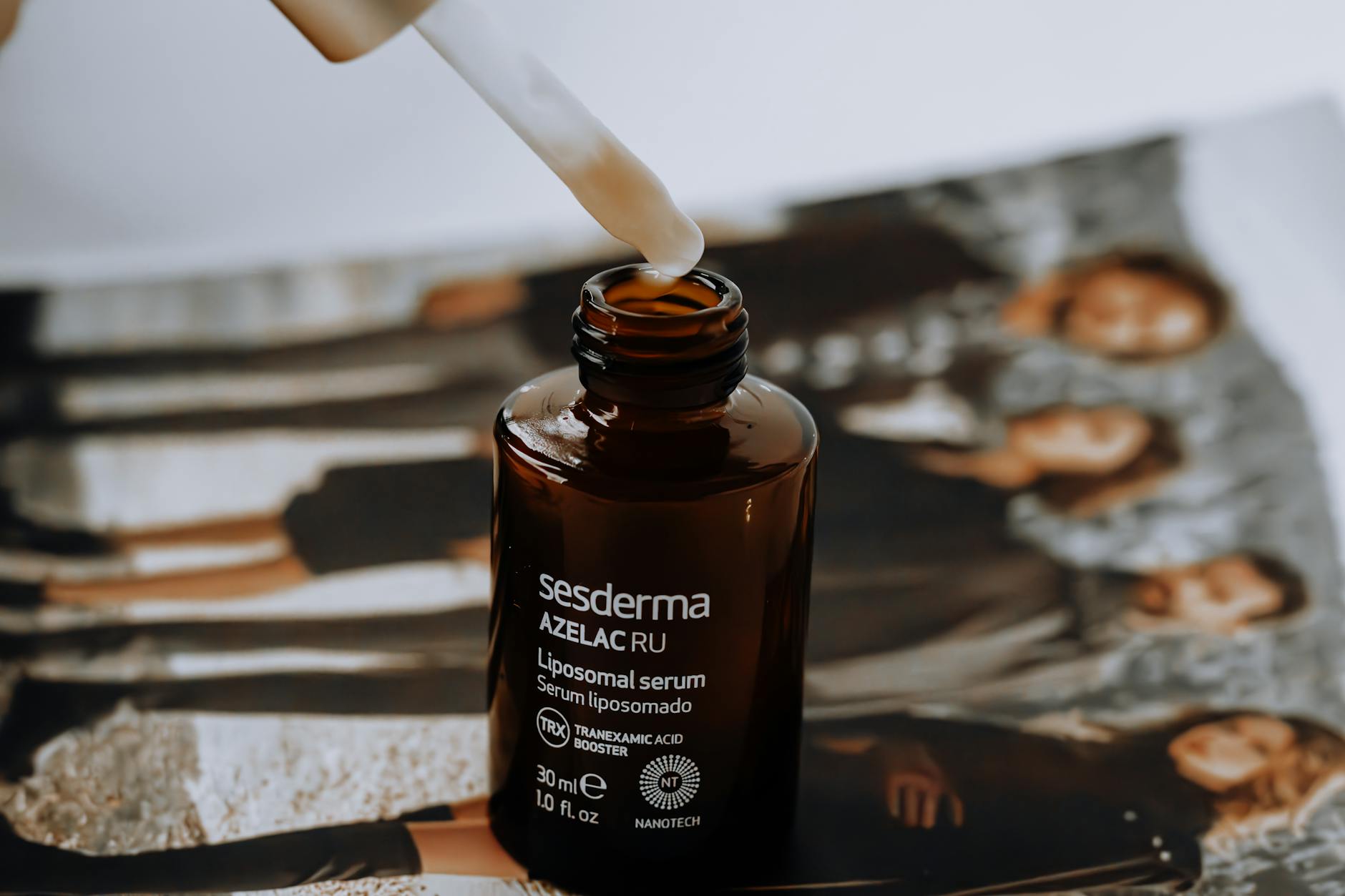
Beauty laboratories have invested heavily in developing sophisticated delivery mechanisms that maximize active ingredient penetration while minimizing irritation potential. Liposomal encapsulation, borrowed from pharmaceutical drug delivery, packages retinol molecules in fatty spheres that penetrate deeper into skin layers before releasing their payload.
Time-release patches represent the newest frontier, with companies like ZitSticka developing overnight patches that deliver concentrated doses of gentle retinoid alternatives directly to targeted areas. These patches use hydrocolloid technology to create optimal absorption conditions while protecting surrounding sensitive skin from exposure to active ingredients.
Combination formulations have proven particularly effective, blending multiple gentle actives to create synergistic effects. Popular combinations include bakuchiol with vitamin C for daytime use, or encapsulated retinol with ceramides and hyaluronic acid for enhanced barrier protection. These multi-active approaches allow formulators to use lower concentrations of each ingredient while maintaining clinical efficacy.
The emergence of AI-powered skin analysis tools has enabled brands to create personalized formulation recommendations based on individual sensitivity profiles. Companies like Proven Skincare use machine learning algorithms to analyze skin photos and recommend optimal concentrations and delivery systems for sensitive-skin users seeking anti-aging benefits.
Clinical Results and Patient Satisfaction
Dermatology practices tracking patient outcomes report impressive satisfaction rates with alternative retinoid treatments, with 85% of sensitive-skin patients completing full treatment courses compared to 45% completion rates for traditional tretinoin therapy. The improved compliance translates directly to better long-term results, as consistent use proves more effective than sporadic application of stronger formulations.
Clinical studies comparing bakuchiol to low-strength retinol show comparable improvements in skin elasticity and fine line reduction after 12 weeks of consistent use. Patients using encapsulated retinol formulations demonstrate similar collagen stimulation markers to those using prescription tretinoin, with significantly reduced inflammatory markers and barrier disruption.
The economic impact extends beyond individual treatment success, with dermatology practices expanding their cosmetic patient base by 30-40% after incorporating sensitive-skin alternatives into their treatment offerings. Insurance considerations favor these approaches as well, since over-the-counter alternatives eliminate the prior authorization requirements often needed for prescription retinoids.
Patient testimonials consistently highlight the psychological benefits of successful anti-aging routines, with many reporting increased confidence and motivation to maintain comprehensive skincare regimens. The ability to use anti-aging products without experiencing irritation has created a new market segment of previously underserved consumers.
The future of sensitive-skin anti-aging appears increasingly personalized, with genetic testing companies beginning to offer retinoid tolerance predictions based on individual DNA profiles. This precision approach promises to eliminate the trial-and-error period that historically discouraged sensitive-skin consumers from pursuing anti-aging treatments.
Emerging research into microbiome-friendly formulations suggests the next generation of alternatives will work with skin’s natural bacterial communities rather than disrupting them. As the beauty industry continues prioritizing inclusion and accessibility, these gentler alternatives represent more than a trend-they signal a fundamental shift toward skincare that works for everyone, regardless of sensitivity levels.
Frequently Asked Questions
What is the best retinol alternative for sensitive skin?
Bakuchiol is considered the most effective plant-based retinol alternative, offering similar anti-aging benefits without irritation or photosensitivity.
Can pregnant women use retinol alternatives?
Yes, bakuchiol and most peptide-based alternatives are safe during pregnancy, unlike traditional retinoids which must be avoided.