




The Lido Opens Its Doors
Every August, the Venice Film Festival converts the narrow streets and waterfront docks of the Lido into one of fashion’s most photographed stages. The 2026 edition is no exception, drawing a procession of actors, directors, and industry figures who treat the red carpet less as obligation and more as a considered statement about where they stand, stylistically speaking, right now.
Unlike the Cannes red carpet, which runs under the pressure of competition and a certain Franco-American formality, Venice carries its own register – looser, more experimental, occasionally stranger. Designers know it. Stylists know it. The celebrities arriving by water taxi on the Grand Canal know it too, which is part of why the looks here tend to run more personal than performative.
What the Red Carpet Is Actually Saying This Year
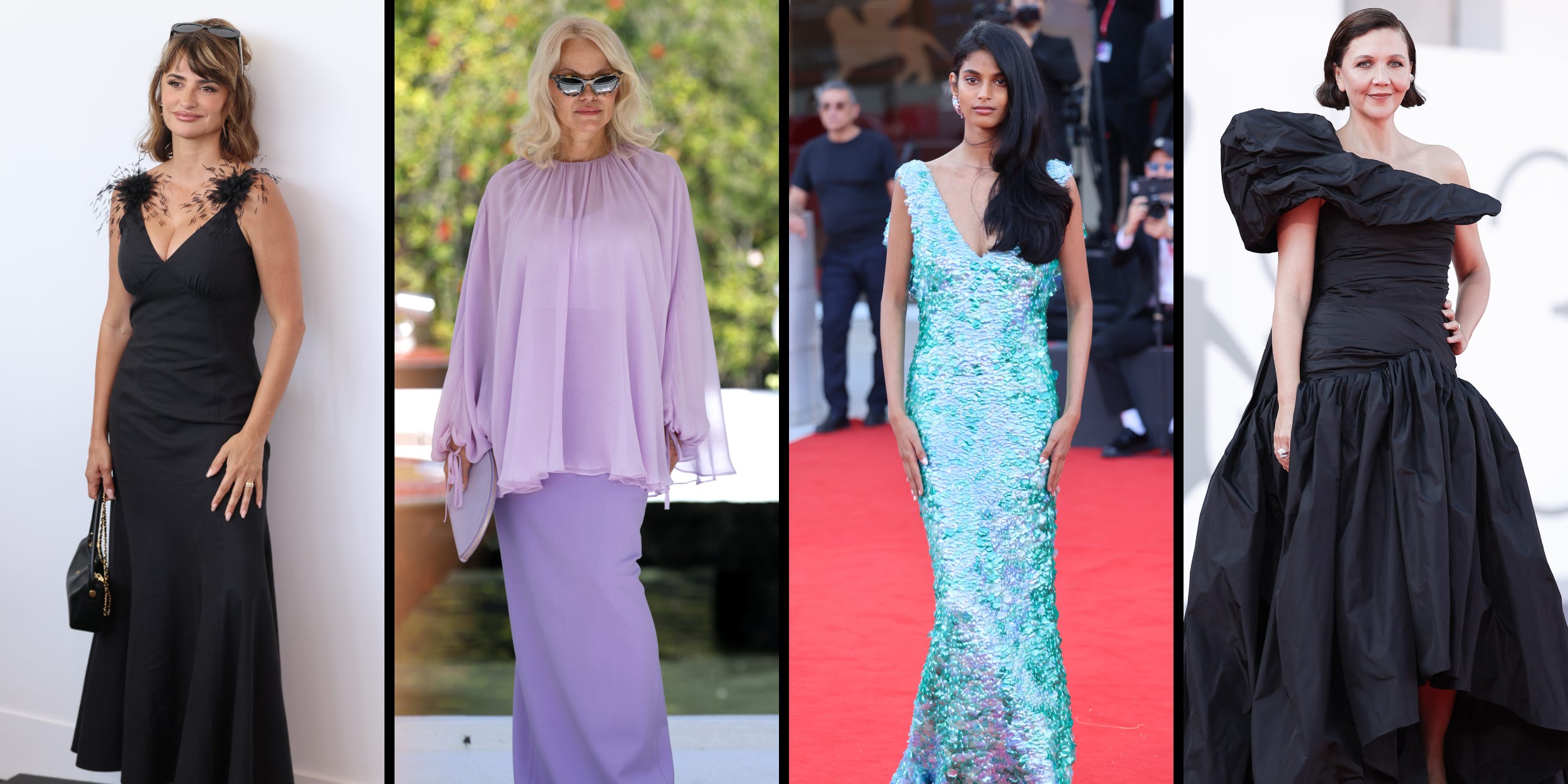
The 2026 festival arrivals are confirming something that’s been building quietly through award season: red carpet dressing has moved away from the maximalist, sculptural silhouettes that dominated post-pandemic events and is settling into something more precise. Proportions feel deliberate. Color stories feel edited. The choices landing on the Venice steps suggest that celebrities and their stylists are thinking in terms of longevity rather than virality.
That doesn’t mean the looks are quiet. It means the drama has migrated – from volume to fabric weight, from embellishment to cut, from spectacle to detail. A gown that photographs beautifully in the golden-hour light bouncing off the lagoon is doing something different than one designed to stop a scroll. Venice’s particular light, warm and diffused by water, rewards texture over shine, and the 2026 carpet is showing that calculation at work.
Stars have been arriving steadily since the festival’s opening days, with the usual build toward the competition’s most high-profile screenings. The cadence of a film festival red carpet differs from a single-night awards show – there’s no one defining moment, but rather a rolling sequence of appearances stretched across more than a week. That gives stylists room to play across multiple looks for a single client, and some are clearly taking that latitude seriously.
The international character of Venice also shapes what shows up on the carpet. Hollywood names mix with European cinema royalty, Asian stars making increasingly prominent appearances at Western festivals, and the occasional crossover figure who belongs equally to all three worlds. That diversity doesn’t just reflect who makes films – it expands the reference points for what counts as dressed.
The Designers Getting the Most Lido Airtime
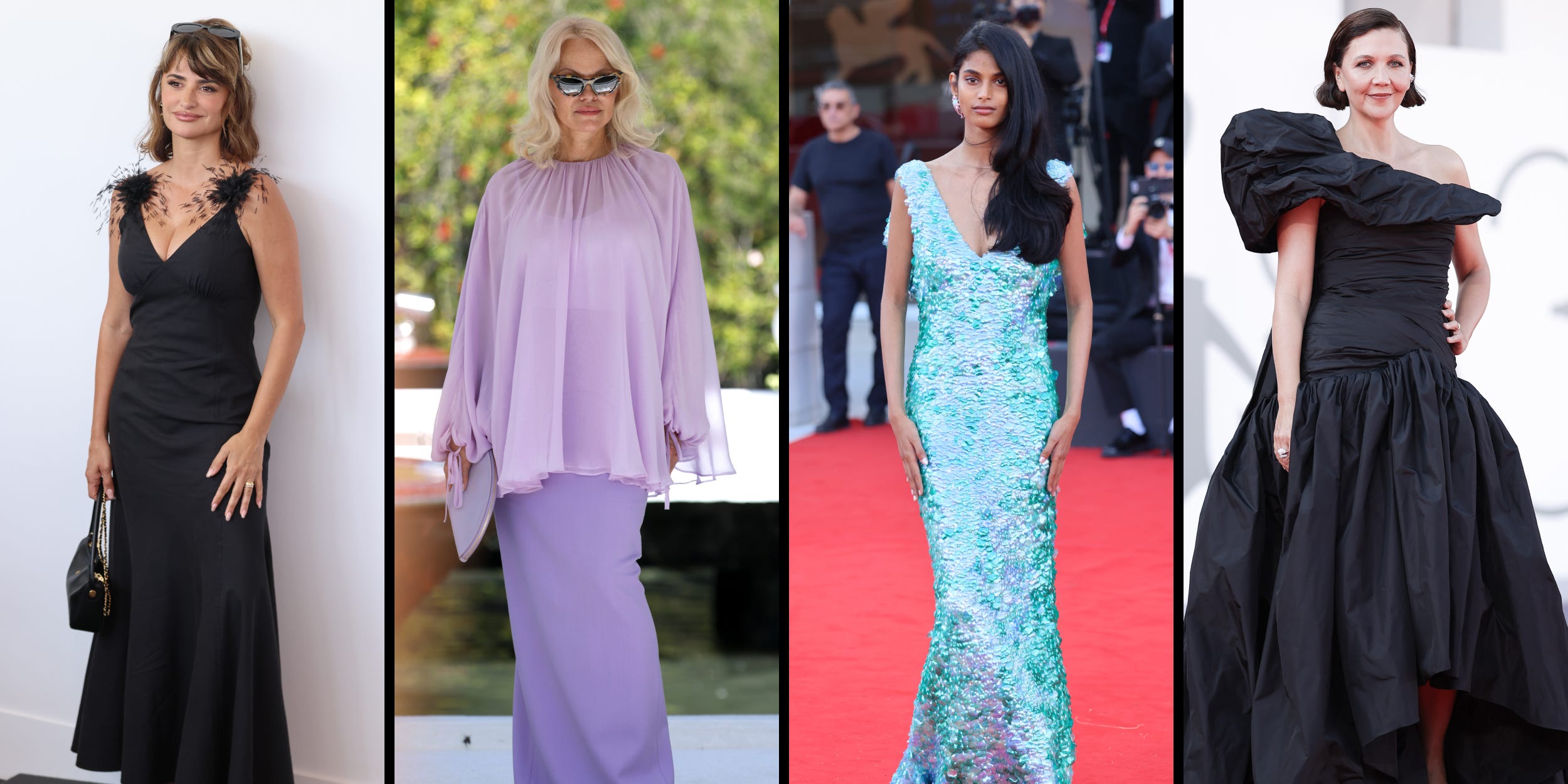
Venice has historically been friendlier to Italian houses than any other major festival, for reasons that are geographic as much as aesthetic. Being dressed by an Italian label at a festival held on Italian soil carries a certain internal logic that publicists and designers both understand. That gravitational pull toward Milan and Rome ateliers tends to show up in the carpet coverage every year.
What shifts from year to year is which specific houses capture the dominant visual narrative. A single striking look worn by the right person at the right screening can define a festival’s fashion legacy more than a dozen competent but forgettable appearances.
Beyond the Gowns
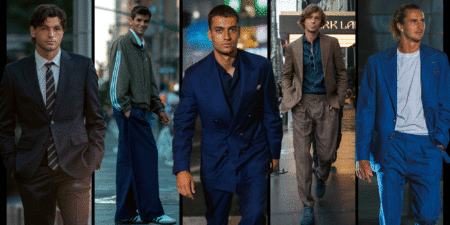
Venice is also one of the few festival environments where menswear gets real attention. The setting – evening heat, canal breezes, the particular formality of an Italian arts institution – creates conditions where men’s red carpet dressing feels less like an afterthought. Suits get tailored differently for Venice. The shirting choices become more considered. The result is that male attendees often deliver some of the carpet’s more interesting fashion moments precisely because the pressure on them is lower and the room for personality is wider.
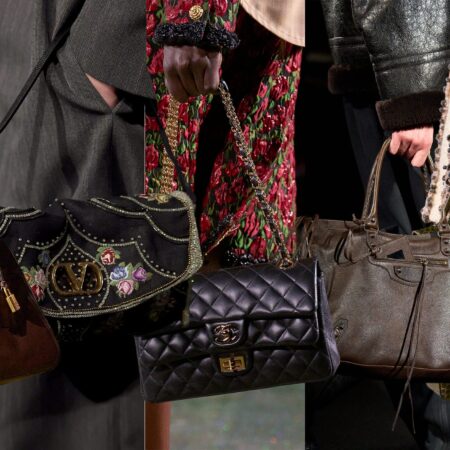
Accessories at Venice tend toward the restrained end of the spectrum. The shoes, the bags, the jewelry – these function as punctuation rather than headline. That restraint is itself a kind of style position, and it reads clearly against the backdrop of a festival that doesn’t need fashion to compete with the architecture for attention. The city is already doing that work.
If you’ve been following how certain bags are quietly accumulating celebrity appearances across major events this season, Venice is another data point worth tracking – what gets carried to screenings, to dinners along the canal, to the less formal moments the cameras still catch.
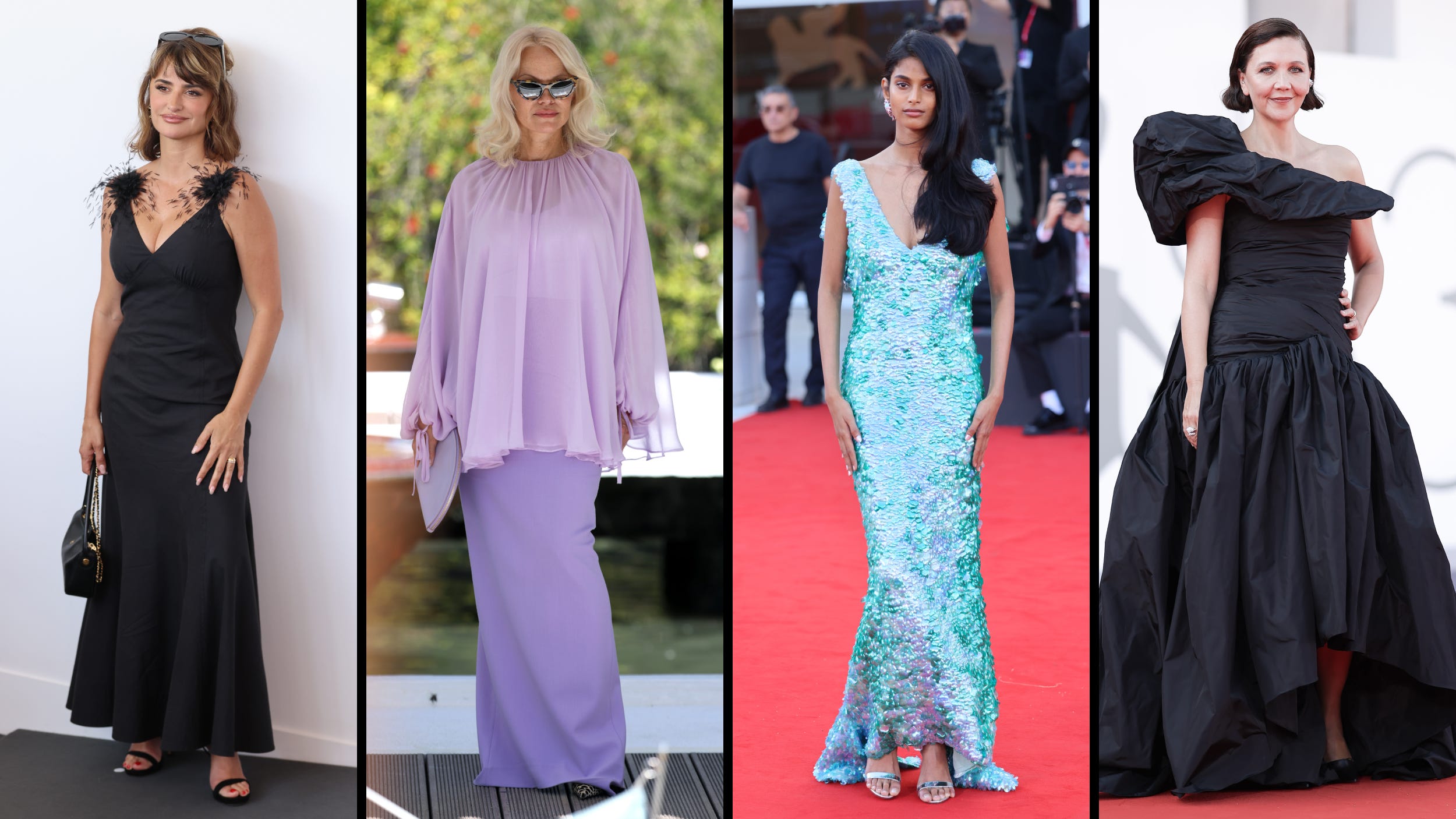
The festival runs through its full slate of screenings before awarding the Golden Lion, and the red carpet will keep building as the competition entries screen and the closing ceremony draws near. The question that tends to resolve itself only in retrospect – which single look will define this year’s Venice in the fashion archive – is still open. It may already have walked the carpet. It may not have arrived yet.