




The Case for Keeping Your Hands Off Your Own Hair
Natural hair thrives when it’s left alone – and protective styles are the most direct way to make that happen. Braids, twists, Bantu knots, and weaves all share a single purpose: reducing the daily manipulation that causes breakage, tangles, and moisture loss. When your ends are tucked away and your strands aren’t exposed to friction from clothing, fingers, or brushes, length retention becomes far less of a struggle.
The environmental factor matters just as much as personal habits. Wind, dry air, and even cotton pillowcases pull moisture from your hair constantly. A well-installed protective style creates a physical barrier between your strands and everything that would otherwise compromise them. That’s not styling – that’s strategy.
Braids: The Foundation of Protective Styling
Box braids remain the most recognizable protective style for good reason. They distribute tension evenly across the scalp, keep the hair sectioned and organized, and can last several weeks with proper maintenance. The size of each braid determines how much manipulation your natural hair experiences during installation – smaller braids mean more sections, which can extend the process but also offer more definition and longevity.
Knotless braids have become increasingly popular because they begin with your natural hair rather than immediately adding extensions at the root. This reduces the pulling sensation at the scalp and lowers the risk of traction alopecia, a form of hair loss caused by repeated tension at the hairline. The tradeoff is that knotless braids sometimes loosen faster near the root compared to traditional box braids, so how long you plan to keep the style should factor into which technique you choose.
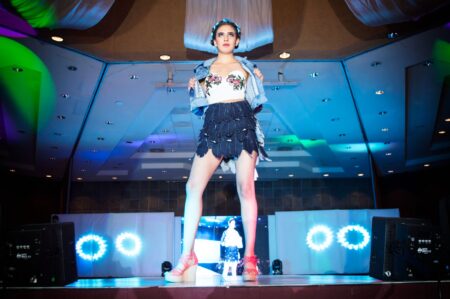
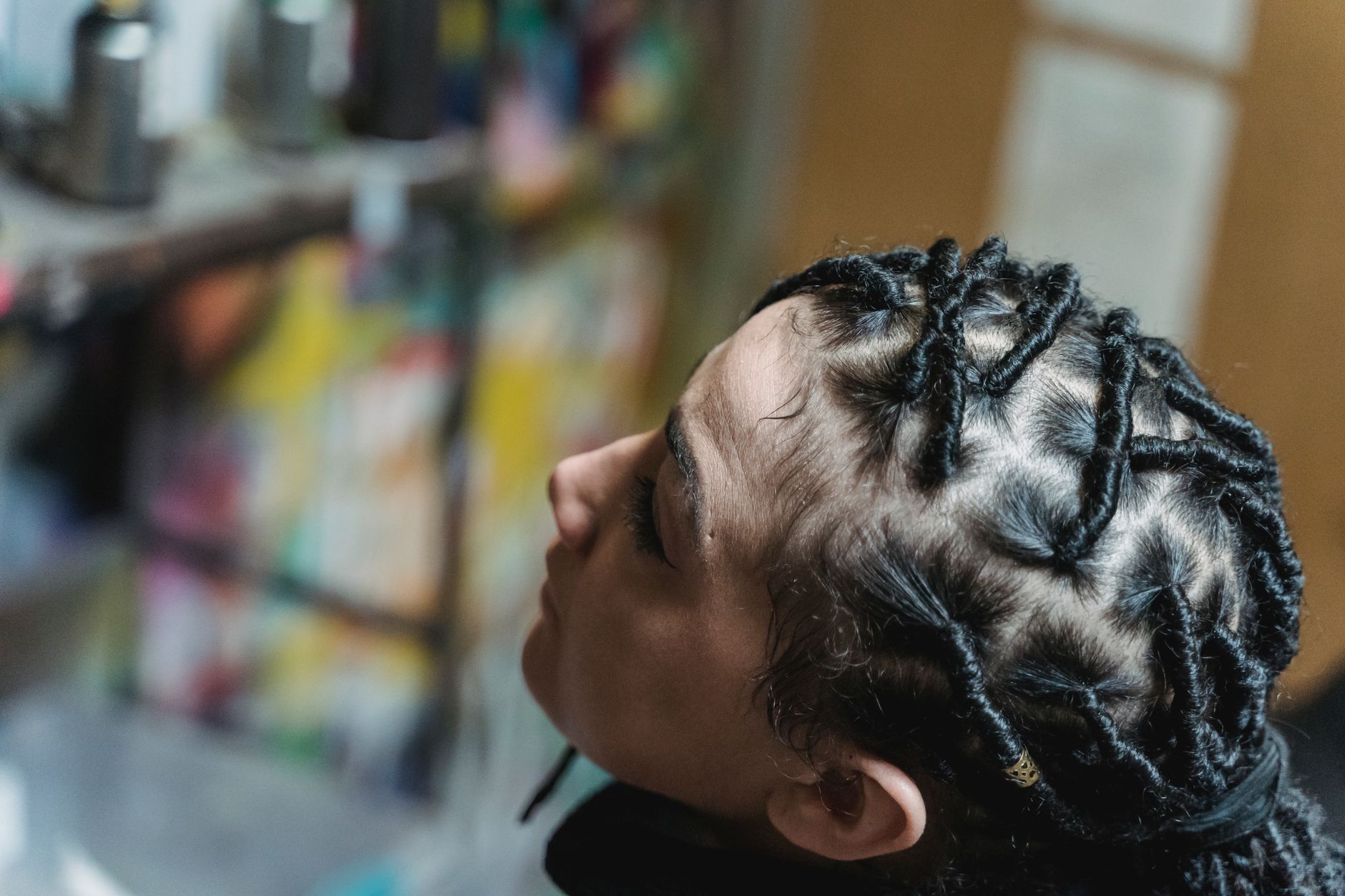
Cornrows work differently – instead of hanging freely, they lie flat against the scalp in continuous rows. They can be worn alone or used as a base beneath wigs and weaves, which gives them a dual function that most styles don’t offer. Styling them in curved or geometric patterns has been a consistent presence on runways and red carpets, making cornrows one of the few protective styles that moves between practical hair care and high fashion without losing its identity in either direction.
Micro braids sit at the far end of the spectrum – extremely thin, time-intensive, and capable of lasting months. Because each braid is so small, they can be styled almost like loose natural hair, which makes them attractive for people who want the protective benefits without sacrificing versatility. The installation time alone, often six hours or more depending on length and thickness, is the main reason most people reserve them for special occasions or seasonal changes rather than rotating them frequently.
Twists, Bantu Knots, and Weaves: Different Tools, Same Goal
Two-strand twists are the gentlest entry point into protective styling. The technique involves dividing the hair into sections and wrapping two strands around each other from root to tip, without the tight braiding motion that puts stress on the hair shaft. They’re a common choice after a fresh wash because they help define curl pattern while keeping the hair protected as it dries. Worn out or unraveled into a twist-out, they give you two distinct looks from a single installation.
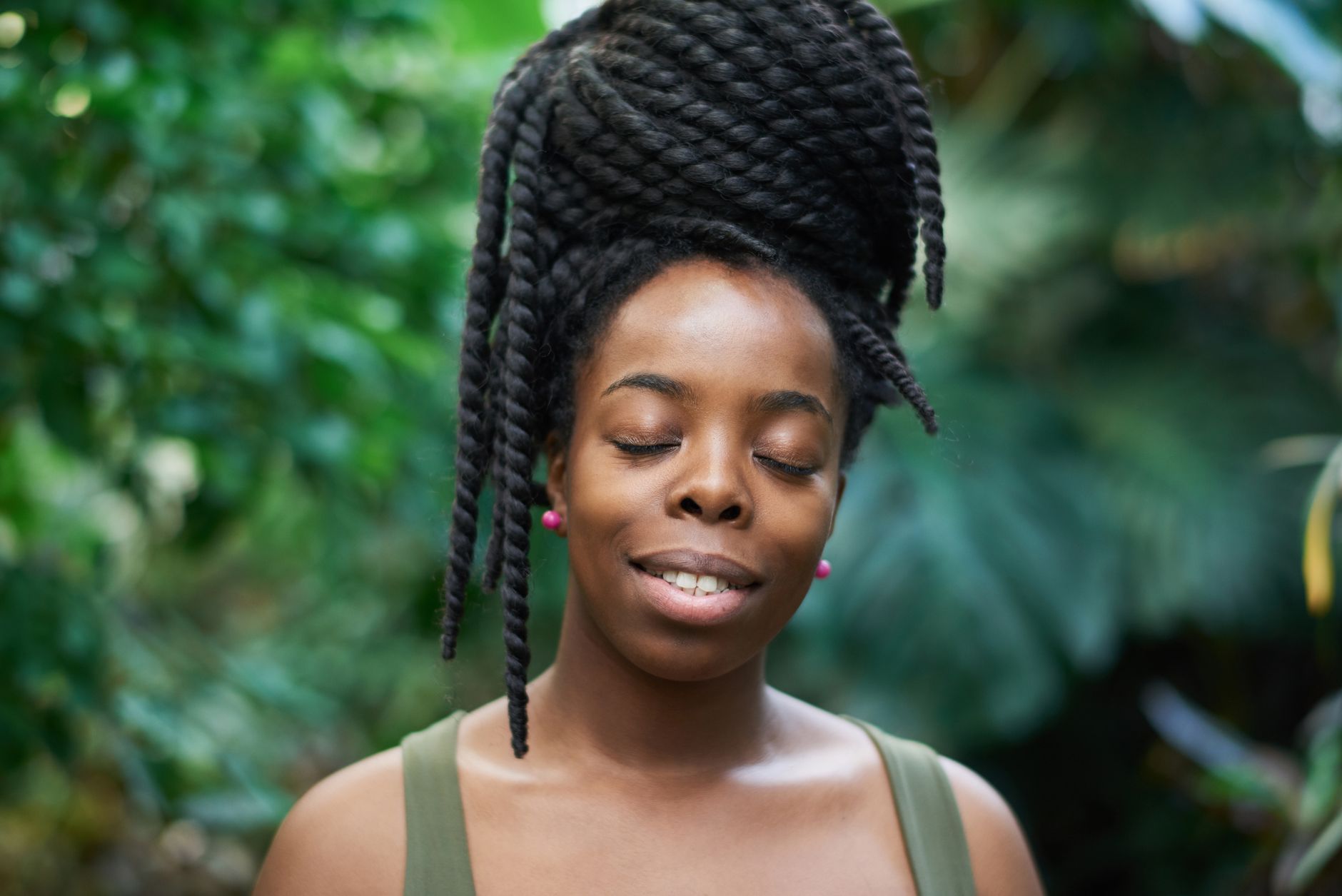
Senegalese twists, also called rope twists, use a different wrapping technique that creates a smoother, more polished finish than two-strand twists. Extensions are typically added to increase length and fullness, and the style tends to hold its shape longer than its more casual counterpart. They sit somewhere between the structured look of braids and the softness of natural twists, which is why they’ve maintained a consistent following across different hair textures and lengths.
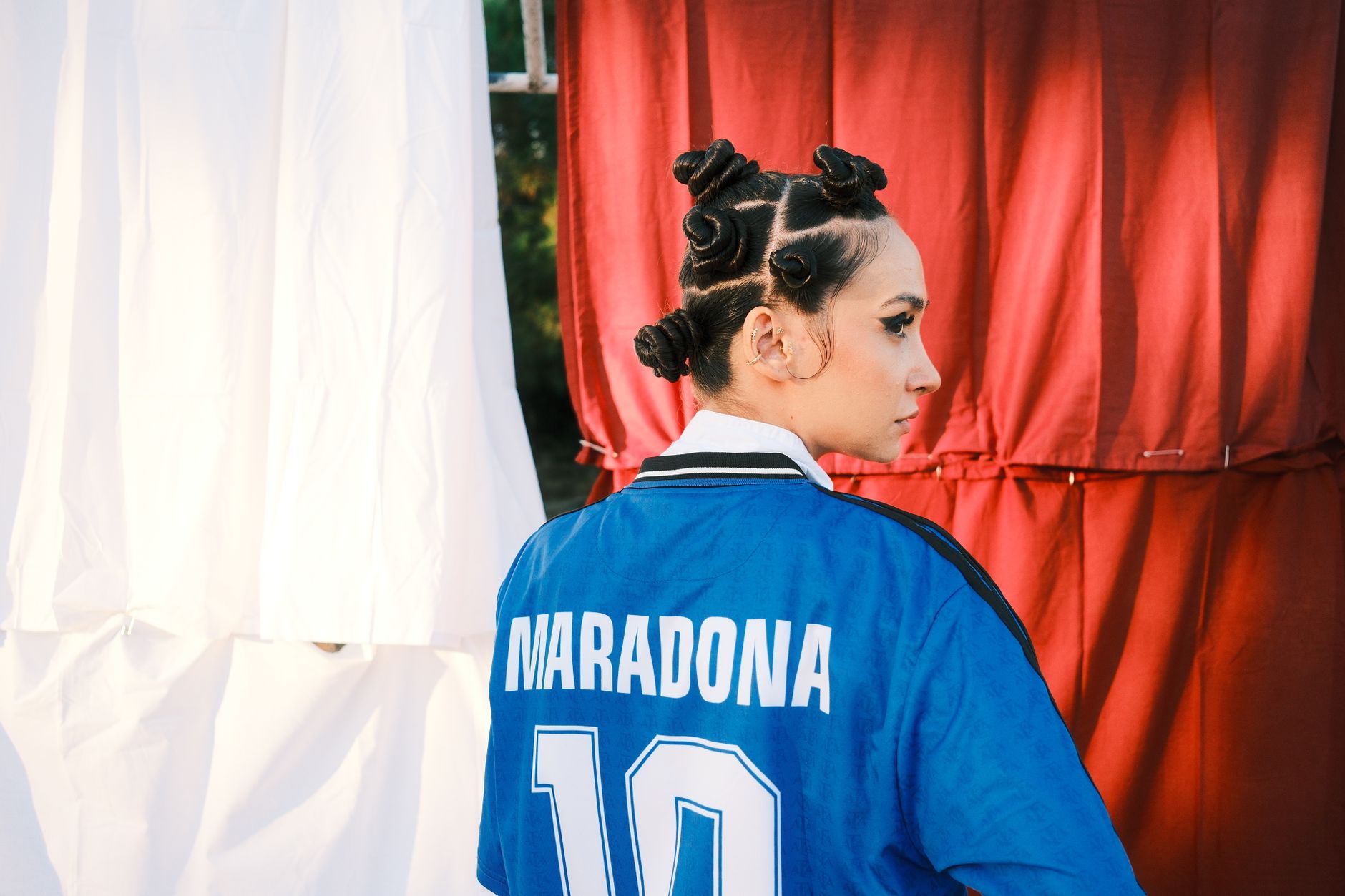
Bantu knots are among the oldest African hairstyles still in active use. Created by sectioning the hair and coiling each section into a tight knot secured at the scalp, they protect the ends while adding a sculptural element that reads as both deliberate and artistic. Unraveled after wearing, they produce Bantu knot-outs – a defined, spiral curl pattern that some naturals find difficult to achieve through any other method. The smaller the knots, the tighter the curl pattern you’ll get when you take them down.
Weaves and sew-ins operate on a different principle. Rather than working with your natural hair directly, they involve braiding your hair flat against your scalp and sewing extensions onto the braided base. Your natural hair is completely tucked away and protected from outside interference for the duration of the install. The key variable is scalp health – leaving a sew-in in too long without washing the scalp or giving the hairline a break can reverse the protective benefits entirely, so maintenance schedules matter as much as installation quality.
What “Protective” Actually Requires
Installing a protective style and then neglecting your hair for six weeks is not protective styling – it’s a shortcut that often ends in damage. Moisture has to reach your scalp and the sections of natural hair that are tucked inside braids or twists. Lightweight oils and water-based sprays applied directly to the scalp keep the skin balanced and prevent the dryness that leads to flaking or itching, both of which signal that your scalp environment is off.
The hairline deserves specific attention. It’s the most fragile section of your hair, with the thinnest and shortest strands, and it’s also the area that bears the most tension in most protective styles. Edge control products applied too aggressively, styles installed too tightly at the temples, or sew-ins left in past their practical lifespan all show up first at the hairline. Protecting your hair while damaging your edges defeats the entire purpose.
How Long Is Too Long – and What Comes After
Most protective styles have a functional window of four to eight weeks before the new growth at your roots starts to create enough tension to cause problems. Braids and twists that were installed when your hair was, say, a quarter inch at the root can become genuinely damaging once that root section grows out significantly – the weight of the extension or the tightness of the braid doesn’t adjust to accommodate new growth, and the stress on the follicle increases accordingly.
Taking down a protective style is its own process and one that most people rush through more than they should. Working a detangling conditioner or oil through the hair before attempting removal reduces the risk of snapping strands that have coiled around each other during weeks of being tucked in place. After the takedown, a deep conditioning treatment restores moisture that the hair couldn’t absorb freely while it was in the style. What your hair looks like in the two days immediately following removal rarely reflects its actual condition – give it a week before making any judgments about length retention or damage.
The rotation between protective styles and leaving hair loose is where the real long-term health happens. Hair that spends twelve months a year in braids without adequate scalp care will eventually show the same stress markers as hair that’s heat-styled daily. But a well-planned schedule – protective style for six weeks, two weeks loose with deep conditioning, rotate – creates the conditions for length retention, breakage reduction, and a scalp that actually functions. Which style you choose is less important than whether the one you choose is installed properly, maintained consistently, and removed carefully. Braid size, knot tension, extension weight – every detail in the process either adds up to protection or quietly works against it.