




Some garments only work when you can’t tell what’s underneath them. Satin slip dresses, backless halters, white jersey tees and plunging wrap tops all fall into that category, and a small adhesive disc is often what makes them wearable.
Allure’s 2026 roundup of the six best nipple covers is built on that idea.
The pitch is simple: these little adhesives are meant to carry you from date nights to everyday looks, keeping you concealed in both. The category deserves more attention than it gets. Nobody posts a mirror selfie of the thing holding the outfit together, yet a good pair determines whether a thin fabric looks polished or awkward by the second hour of the evening. Here is how to think about choosing one, and what separates a pair you’ll reach for weekly from one that ends up in a drawer.
What Actually Separates One Cover From Another
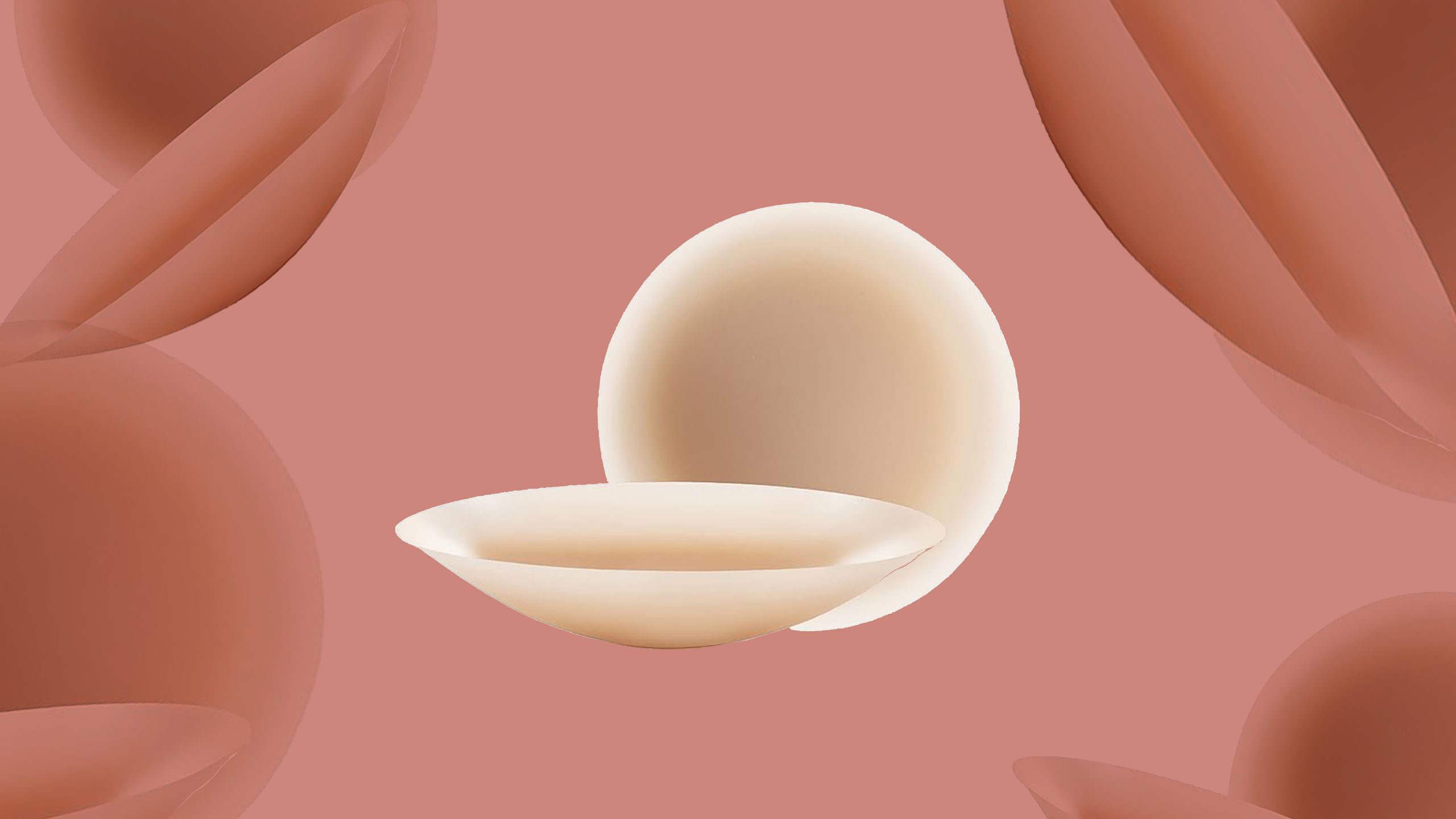
Start with the material, because it decides almost everything else. Reusable silicone covers are thicker and more forgiving, they often give a slight rounded shape under clothing, and they can be washed and worn again. Disposable fabric or tape-style covers are thinner and lighter, which makes them better suited to clingy knits and fitted tops where any raised edge would show. Neither type wins outright. The right one depends on the garment you’re wearing it under and how many hours you need it to hold.
Edges matter more than most people expect.
A cover with a blunt, thick border can print through a fitted top as clearly as the thing it’s hiding, while a feathered or tapered edge dissolves into the fabric. Shape plays a part as well. Petal and flower cuts bend with the skin and tend to lie flatter than perfect circles, and some styles are cut larger for fuller coverage under sheer or light-colored fabrics. Color is the last variable. A shade close to your own skin tone disappears under white and pale fabrics, where a mismatched pair can read as a shadow. If you’re between shades, the slightly deeper option is usually less visible than one that runs too light. Then there’s the subtle lift in Allure’s headline: some adhesive styles are designed to add gentle shaping rather than just flatten and cover. That’s useful with open necklines and backless cuts, where a traditional bra isn’t an option and you still want a bit of support in the silhouette.

Making Them Stay Put, and Making Them Last
Adhesion starts with skin prep. Clean, dry skin gives the strongest hold, and anything slick works against you: body lotion, oil, sunscreen and sweat all weaken the bond. Apply your cover before you get dressed, press it down from the center outward so there are no air pockets, and give it a minute to settle before anything touches it. Heat is the real stress test. A crowded restaurant, a summer wedding or a dance floor will challenge any adhesive, so for long events it helps to put your covers on shortly before you leave rather than hours ahead.
Removal deserves equal care. Peel slowly from the outer edge, holding the skin taut with your other hand, and if a cover resists, a little warm water or a gentle oil loosens the grip without tugging at the skin. This area is sensitive, so anyone who reacts easily to adhesives should test a pair on a small patch of skin before wearing it for a full evening. Pulling a cover off quickly may save ten seconds, but it can leave the skin irritated and red, which is a poor trade before an event where you’d rather feel comfortable.
Reusable pairs last only if you look after them. Rinse them with mild soap and lukewarm water, let them air-dry rather than rubbing them with a towel, and put them back on their original backing or case so the sticky side stays free of lint and dust. Once a pair stops gripping, replace it instead of reaching for tape or extra adhesive. Tape makes a fussy fix and can irritate skin. With disposables, a fresh pair is the whole point, so it’s worth keeping a few spares in a clutch or travel pouch for the nights when plans stretch.
Six picks, one small job, and a wardrobe that depends on it more than anyone admits: what’s the last outfit you passed over only because you didn’t have the right pair?