




The Faces Behind the Sneaker
Veja has long positioned itself as a brand built on transparency, but transparency usually means numbers on a website – sourcing percentages, material certifications, wage disclosures. A pair of new short films does something different: it puts faces and names to the labor behind the brand’s sneakers, following the workers who grow, collect, and assemble the raw materials that eventually become the shoes on store shelves.
The films operate under a single title, Far From the Spotlight, a phrase that does double work – describing both the physical distance of these workers from fashion’s usual centers of attention and the industry habit of keeping supply chain labor invisible. Veja is pushing against that habit directly.
What the Films Actually Show
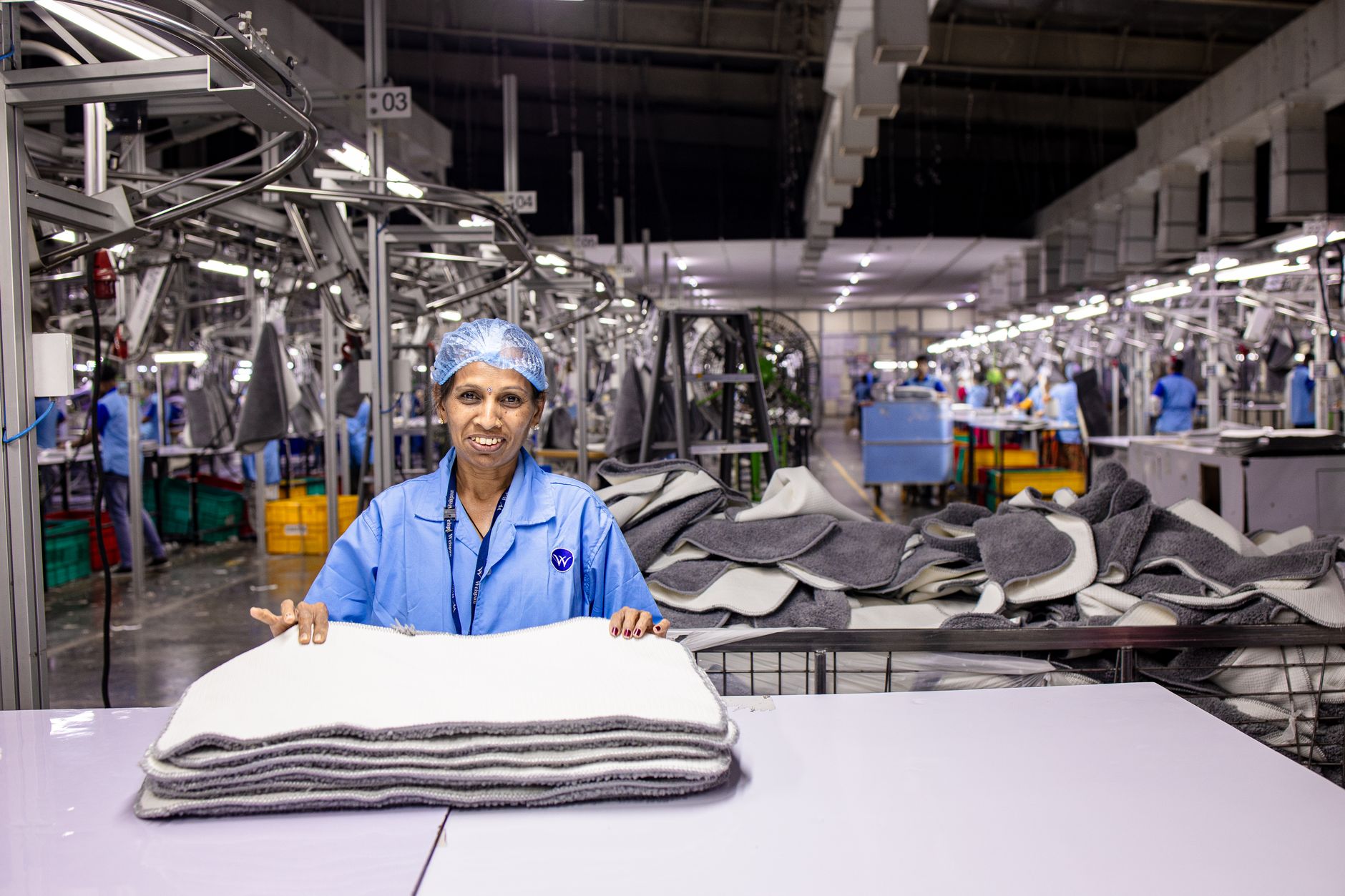
The two films follow catadores – the Portuguese term for collectors or gatherers – along with farmers and assembly workers whose daily labor feeds into Veja’s production pipeline. These are not brand ambassadors or influencers. They are the people handling raw materials at the earliest and most physically demanding stages of manufacturing, workers who are rarely, if ever, given screen time in a brand’s own content.
Veja built its reputation on sourcing organic cotton from Brazil and wild rubber from the Amazon, working directly with small-scale producers rather than going through conventional supply chain intermediaries. The films focus on that network of producers and collectors – specifically the individuals within it. The decision to document this tier of the supply chain, rather than the design process or the finished product, signals a particular editorial choice: the story worth telling is not the sneaker itself but the people whose work makes it possible.
Fashion and footwear brands rarely point cameras at raw material workers. When supply chain content does appear, it tends to focus on factory floors in the final stages of production – cleaner, more visually controlled environments that are easier to frame as aspirational. Fields, forests, and collection routes are harder to package. Veja went there anyway.
The catadores featured in the films occupy a specific role in Brazil’s material economy, gathering materials that feed into recycling and production systems. Their work is physically intensive, often informal, and structurally undervalued. By framing them as integral to a recognizable global sneaker brand, Veja is making an argument about labor value that most brands prefer to leave unstated.

Veja’s Broader Supply Chain Position
Veja was founded in 2004 by Sebastien Kopp and Francois-Ghislain Morillion with a stated commitment to ethical sourcing and fair trade from the outset. The brand does not spend on traditional advertising – a choice it has made publicly and repeatedly – redirecting those funds toward supply chain investment and producer payments instead. That context matters when reading these films: they are not a marketing campaign in the conventional sense. They are closer to documentation.
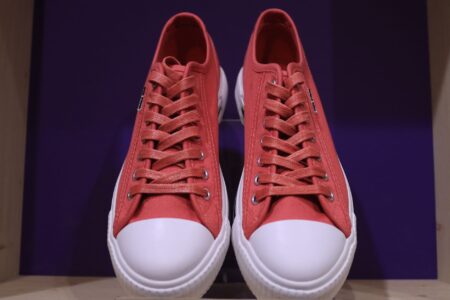
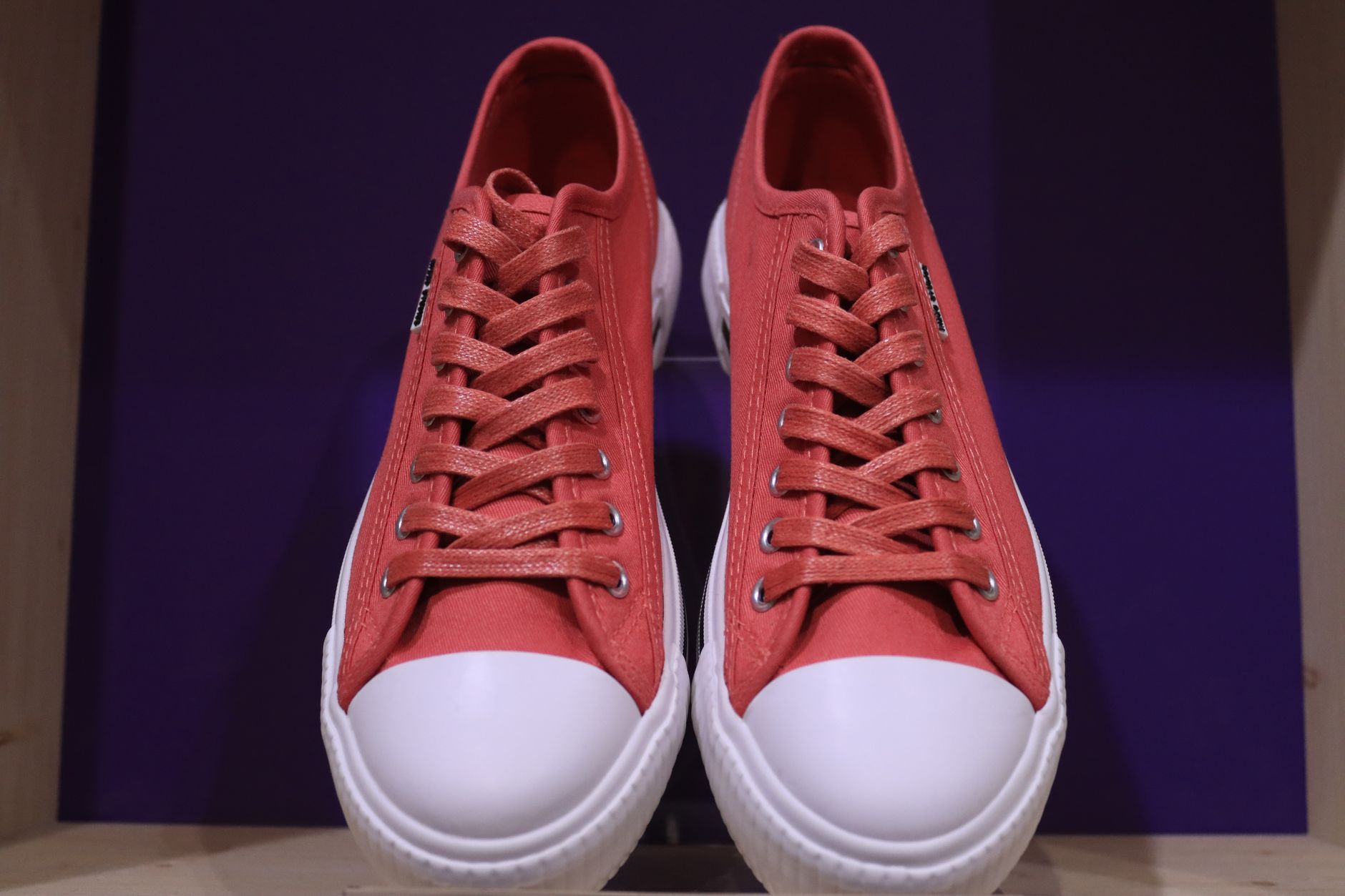
The sneakers themselves have become genuinely popular, worn widely enough that the brand’s sourcing practices get discussed alongside its aesthetic. The V-logo canvas style has appeared on enough feet globally that Veja operates in a different commercial tier than most ethical-fashion brands, which often remain niche. That scale makes the supply chain films more pointed – there is a real, large consumer base now connected, however distantly, to the catadores on screen.
Visibility as a Form of Accountability
Putting supply chain workers in front of a camera creates a different kind of accountability than a sourcing report. Reports can be updated, percentages adjusted, certifications renewed. A film with a named worker in a specific place is harder to walk back. Whether that accountability extends beyond optics depends on the underlying labor agreements and payment structures – which Veja has published details about separately, including its practice of paying above-market rates to Amazon rubber tappers and organic cotton farmers in Brazil’s Ceara state.
The films do not appear to be submitted to any film festival circuit or distributed through a third-party platform based on available information – they are brand-produced content. That means Veja controls the framing entirely. The question the films leave open is whether visibility, on the brand’s own terms, is enough – or whether workers far from the spotlight are better served by structures that don’t depend on whether a brand decides to point a camera at them.
The catadores featured in Far From the Spotlight grow crops, navigate forests, and run assembly lines. The sneakers they help produce retail at prices that would take some of them days to earn. That gap is not unique to Veja – it runs through every global footwear brand – but Veja is the one that made two films about it.