





Neighborhood Nostalgia Lands on a Canvas Sneaker
Todd Snyder has partnered with Sperry on a collaboration drawing directly from the world of Mister Rogers’ Neighborhood, updating the brand’s classic CVO sneaker with references tied to the beloved television program. The collection spans three pieces in total: the reworked CVO sneaker, a zip-up sweater, and a T-shirt.
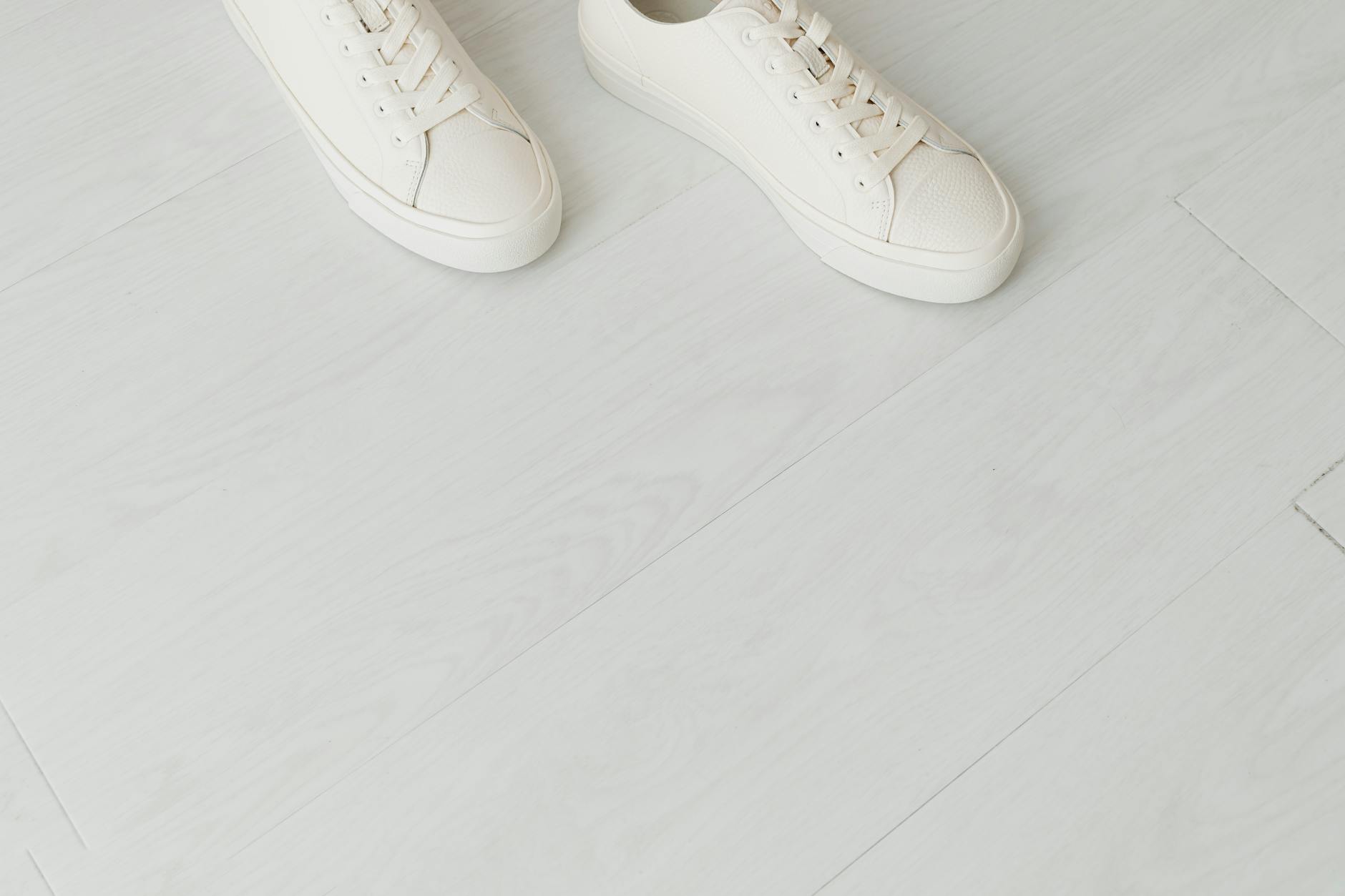
The CVO – Sperry’s canvas, vulcanized oxford – is one of the label’s most enduring silhouettes, a low-profile lace-up that has anchored the brand’s casual lineup for decades. Snyder’s interpretation layers in the Mister Rogers connection through design details rather than overt branding, aligning with how the New York-based designer typically handles licensed or culturally adjacent work: with restraint.
What the Collaboration Actually Looks Like
The drop arrives as a compact, three-item capsule rather than a full seasonal range. That structure – one footwear style, one layering piece, one graphic tee – keeps the release tightly edited and positions the sneaker as the anchor. The zip-up sweater is a clear nod to the cardigan Mister Rogers wore in virtually every episode of his show, a garment so associated with Fred Rogers that it became shorthand for the man himself. Whether Snyder’s version replicates that iconography directly or riffs on it is the kind of detail that will matter to collectors.

The T-shirt rounds out the collection as the most accessible entry point on price and formality. Graphic tees in collaborations like this typically carry the most overt imagery – the name, the logo, the cultural reference spelled out plainly – while the footwear and sweater do quieter work. Snyder has built his reputation on exactly that kind of layering: loudness where it belongs, understatement everywhere else.
Sperry’s CVO was a deliberate choice of silhouette for this project. It reads as unpretentious and slightly retro, which maps cleanly onto the Mister Rogers aesthetic. Rogers himself was not a sneaker figure – he was a cardigan-and-dress-shoe figure – but the CVO’s relaxed, neighborly quality makes the translation feel less forced than if Snyder had reached for something more technical or fashion-forward.
The collaboration fits into a longer pattern for Todd Snyder, who has used partnerships strategically to expand his brand’s cultural footprint without drifting too far from his core menswear sensibility. Previous collaborations have included work with New Balance, Timex, and Moscot, among others. Each has followed a similar logic: find a heritage brand or cultural property with its own distinct identity, then edit rather than overwrite it.
Sperry’s Positioning in the Current Footwear Market
For Sperry, the Snyder collaboration arrives at a moment when the brand is working to stay relevant in a footwear market that has tilted heavily toward performance and athleisure. Canvas sneakers occupy a specific, somewhat nostalgic corner of that market, and a designer collaboration – particularly one tied to a cultural figure with the warmth and recognition of Mister Rogers – is a way to generate conversation beyond the brand’s traditional boating and prep audiences.
The footwear industry broadly is navigating pressure on margins and pricing, which makes limited-edition designer drops a useful lever. They generate attention without requiring the infrastructure of a full product line expansion, and they allow brands to test appetite in new demographics before committing to larger investments.

Three Items, One Reference Point
What holds the collection together is the specificity of the cultural reference. Mister Rogers’ Neighborhood ran on PBS for 31 seasons, from 1968 to 2001, and Fred Rogers himself became a figure of genuine cultural reverence – particularly in the years following his death in 2003, when documentaries, biographical films, and retrospectives renewed public interest in his work and personality. That renewed attention has made him a reliable touchstone for brands looking to borrow some of his warmth without appearing cynical about it.
Todd Snyder’s decision to ground the collection in that specific world, rather than a broader nostalgia play, gives the project a defined point of view. The CVO sneaker carries that reference on its upper. The zip-up sweater carries it in its silhouette. The T-shirt carries it directly. Whether buyers come for the shoe and leave with the sweater, or arrive as Rogers devotees with no prior relationship to Snyder’s work, is the open question this kind of drop always leaves on the table.