




Bare-Bones Labels, Real Results
The Ordinary does not try to seduce you with fantasy. No velvet packaging, no celebrity face, no vague promises about “youth-restoring complexes” engineered in Swiss mountain springs. The brand put the ingredient name on the front of the bottle and the price on the shelf, and somehow that stripped-down honesty became its entire identity – one that has kept bathroom shelves stocked across every income bracket for years.
What started as a clinical-sounding line from the Toronto-based company Deciem has grown into one of the most-referenced brands in any serious skin-care conversation. The appeal is not accidental. The Ordinary made active ingredients – things like retinol, niacinamide, vitamin C derivatives, and hyaluronic acid – accessible at price points that rarely crack $20, which forced a real reckoning across an industry that had long counted on consumers not knowing exactly what they were paying for.
What Actually Sells – and Why
The brand’s bestsellers are not mysteries. They are the same ingredients dermatologists have been recommending for decades, just presented without the markup that comes from luxury positioning. Niacinamide 10% + Zinc 1% became a staple for anyone dealing with uneven skin tone or enlarged pores. The combination is straightforward: niacinamide addresses discoloration and sebum regulation while zinc provides a supplementary balancing effect. That single product has sold in numbers that most indie brands will never approach in their entire catalog.
Hyaluronic Acid 2% + B5 is another cornerstone, and its success points to something interesting about how The Ordinary reshaped consumer expectations. Hyaluronic acid had been a buzzword in high-end serums for years – packaged in frosted glass, priced at $80 and above – before The Ordinary made the same molecule available for under $10. The conversation shifted. Shoppers started reading ingredient labels instead of trusting brand heritage, and that behavioral change outlasted any single product launch.
Retinol is where the brand’s formulation philosophy gets particularly deliberate. Rather than offering one catch-all retinol product, The Ordinary built a tiered system – different percentages, different delivery formats – because skin tolerance for vitamin A derivatives varies dramatically from person to person. Starting at low concentrations and working up is not a marketing gimmick here; it is the actual recommended usage pattern, and the brand makes that progression possible without requiring a significant financial commitment at each step.
The AHA 30% + BHA 2% Peeling Solution became a social media moment all on its own. The blood-red mask with its striking visual contrast photographed dramatically, which helped, but the formula behind the aesthetic is a high-strength exfoliation treatment that delivers visible results in a 10-minute application window. The Ordinary was careful to include strong usage warnings, and those warnings were warranted – this is not a gentle product. That honesty about strength and risk, rather than softening the formula’s potency in marketing language, is consistent with everything else the brand does.
The Formulas That Cover Every Concern
Beyond the hero products, The Ordinary’s catalog covers a range that few brands at comparable price points attempt. Peptide serums, multiple vitamin C formats accounting for different stability and skin tolerance profiles, squalane-based moisturizers, sunscreen, and foundation – the breadth is significant. The vitamin C range alone reflects a genuine understanding that ascorbic acid, the purest form of vitamin C, is inherently unstable and can irritate sensitive skin, so the brand offers derivative formats like ascorbyl glucoside and ethylated vitamin C as alternatives.
This level of product differentiation within a single ingredient category would typically live behind a consultation desk at a high-end retailer. At The Ordinary, it lives on a website that explains each option in plain language so a consumer can make an informed choice independently. The approach has a certain confidence in the buyer’s intelligence that the broader beauty industry has been slow to adopt.
Affordable Skin Care That Does Not Apologize for Being Affordable
There is a persistent assumption in beauty that low price signals low efficacy – that the “real” version of a product costs more, and the budget alternative is a compromise. The Ordinary has spent years dismantling that logic, not through advertising but through formulas that produce results visible enough that users evangelize independently. The community built around the brand on social media is largely organic, driven by people who started using a $7 serum and felt compelled to document what happened to their skin over the following weeks.
Deciem has also been unusually transparent about what goes into its products and why certain ingredients are priced the way they are. When a formula is inexpensive to produce, the retail price reflects that. When an ingredient carries a higher raw material cost – certain peptides, for example – the price goes up accordingly, but the brand explains the reason. That transparency creates a kind of trust that luxury positioning cannot easily replicate, because luxury positioning is, by design, not transparent about cost structure.
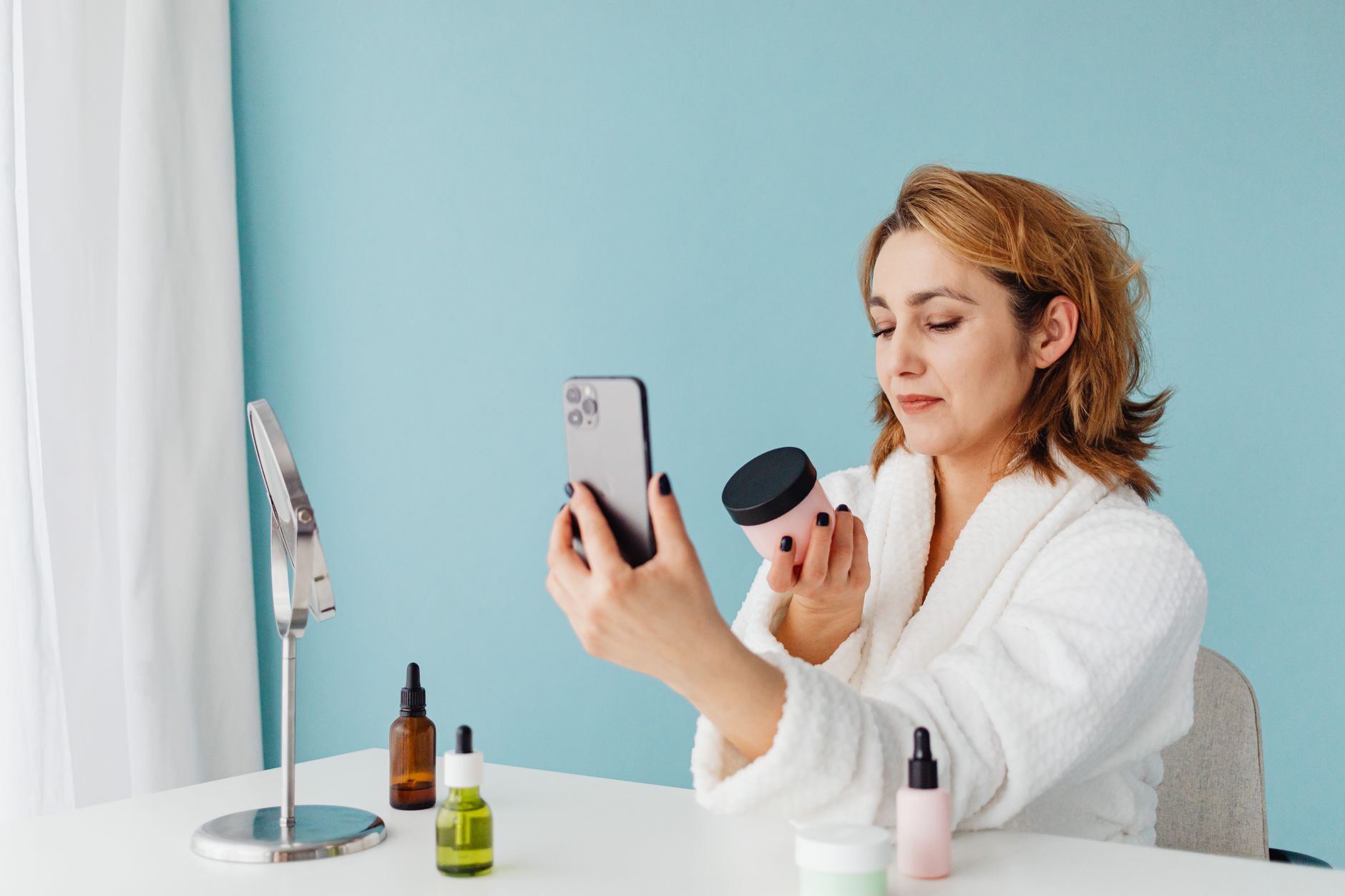
The 12 products that consistently appear at the top of best-of lists for The Ordinary are not necessarily the most sophisticated formulas in the catalog. They are the ones that address the most common skin concerns – hydration, texture, discoloration, acne, and visible aging – with the fewest unnecessary additions. No fragrance, minimal filler, active ingredients at concentrations that are high enough to function. For a shopper building a skin-care routine from scratch with a limited budget, the math is genuinely different with The Ordinary in the lineup: a complete routine covering multiple concerns can be assembled for what a single product costs at most prestige counters.
The brand’s continued relevance in an increasingly crowded affordable skin-care market raises a question worth sitting with: when the ingredient-forward, low-markup model that The Ordinary popularized has now been adopted by a dozen competing lines, what does The Ordinary do next to stay the reference point rather than one option among many?