



When the Setting Is 1,454 Feet Up, Your Nails Better Hold Up
Angela Nikolau got engaged at the top of the Empire State Building – not from an observation deck with a guardrail and a crowd of tourists, but in the kind of position that makes most people’s palms sweat just looking at a photograph. The proposal was already the sort of moment that stops feeds cold. But the detail that landed squarely in beauty territory? Her manicure, which looked exactly as polished dangling above Midtown Manhattan as it would have at a dinner table.
What Nikolau wore on her nails during the proposal has drawn its own attention, separate from the dizzying backdrop of the New York skyline. The images circulating from the moment show a manicure that held up – visually and structurally – under conditions that most nail looks are never asked to survive.
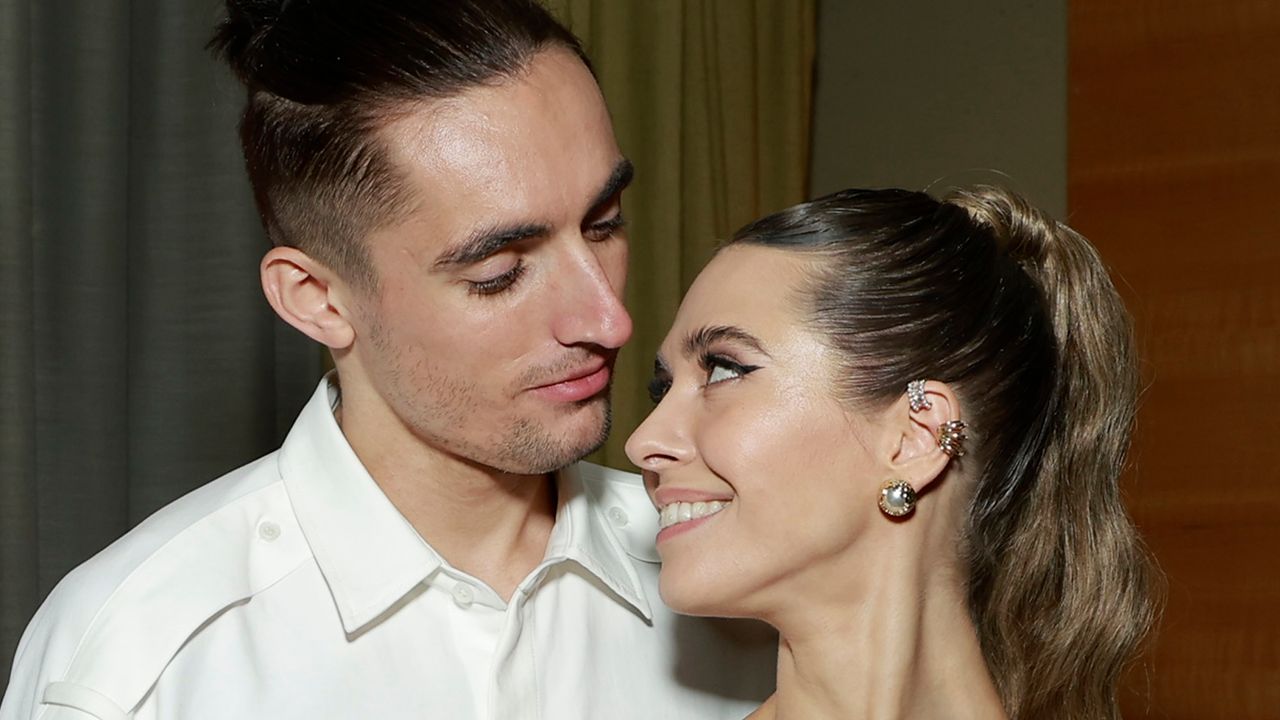
The Nails Themselves
The look was deliberate, not incidental. When you are the kind of person who climbs structures for a living and documents it for a following, the idea that your engagement photos also double as nail inspiration is not entirely absurd. Nikolau’s nails read as an intentional choice – the kind of manicure that photographs cleanly against dramatic negative space, whether that space is a marble tabletop or, apparently, open Manhattan air.
Durability is the word that keeps surfacing here, and for obvious reason. The Empire State Building reaches 1,454 feet at its antenna tip. Getting to the kind of position Nikolau occupies in her photos is not a passive activity. Whatever was on her nails had to survive grip, wind, and the physical demands of a stunt that the average person would not attempt in sneakers, let alone with a fresh set. That the manicure looked intact in the resulting images says something concrete about either the formula, the application, or both.
Why Nail Longevity Has Become a Serious Conversation
Gel and hard gel formulas have shifted what people expect from a manicure’s lifespan over the past several years. Where a traditional lacquer might chip within days of normal activity – typing, cooking, washing dishes – gel alternatives are designed to flex with the nail rather than crack under pressure. The difference is not just cosmetic vanity; for people who work with their hands or put them through consistent physical stress, the formula choice directly affects how long the look lasts.
Nail longevity also photographs differently. A chip catches light. A worn edge creates visual noise in an otherwise clean image. For someone whose entire professional output depends on striking photography taken in extreme conditions, the integrity of every visible detail matters. Nikolau’s photos from the Empire State Building are framed and lit the way her content consistently is – carefully, even when the setting appears to be pure chaos.
The nails also point to a broader shift in who nail care content is actually reaching. The category has expanded well past its traditional audience. Gel manicure tutorials and at-home nail systems now appear across fitness accounts, outdoor adventure channels, and creator spaces that have nothing to do with traditional beauty content. The durability angle is the entry point – people come for the longevity claim and stay for the color conversation.
Extensions and overlays add another layer of structural consideration. A nail that extends beyond the fingertip creates leverage – which means any lateral force applied to the nail (gripping a surface, bracing against wind resistance at height) is amplified at the base. The fact that Nikolau’s nails survived whatever the Empire State Building moment required without visible breakage is, from a purely structural standpoint, the most interesting data point in these images.
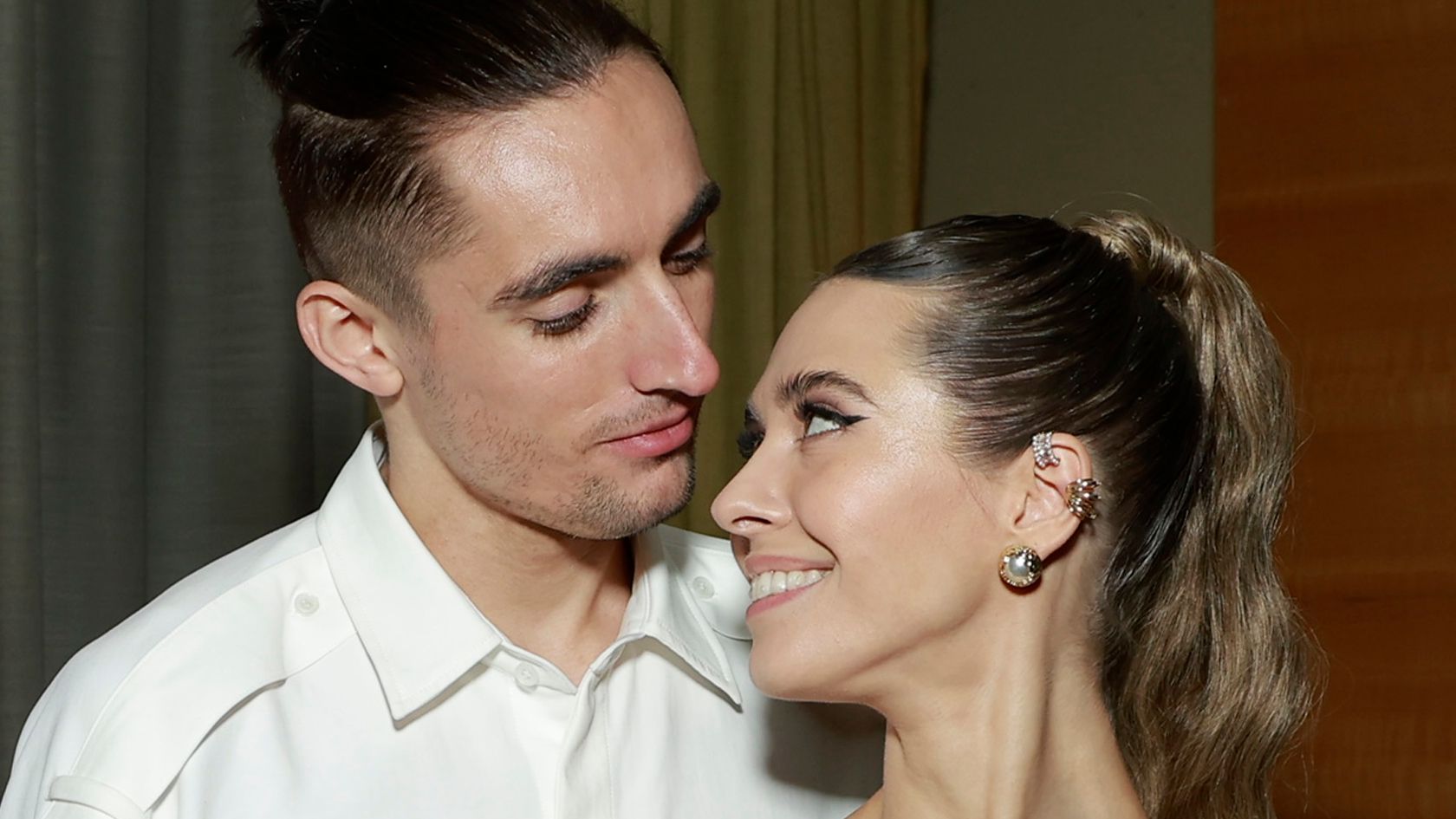
The Engagement Context, and Why It Matters for the Image
Proposals generate enormous amounts of content. The ring photograph is its own established genre, and the pressure on every visible element in that image – hands, nails, setting – is well understood by anyone who has ever planned one or photographed one. The Empire State Building location compressed all of that pressure into a single, vertiginous frame.
The ring hand and the nail beneath it are always the focal point of that shot. Nikolau’s version of that moment happened to be set against one of the most recognizable skylines in the world, which means the image was going to be examined closely regardless. That the manicure held up to that level of scrutiny – aesthetic and literal – turned it into a separate talking point from the proposal itself.
What This Actually Tells You About Nail Prep
If there is a practical takeaway buried in a story about a high-altitude engagement, it is this: nail preparation and formula choice matter more when the conditions are harder. Moisture, temperature shifts, and physical grip all affect how a manicure wears. At the elevation and wind exposure Nikolau was dealing with, those factors stack quickly. A well-prepped nail – properly dehydrated before application, sealed at the edges, with a topcoat that accounts for flex rather than just shine – is going to behave differently than one that was rushed.
The color choice matters too, though in a less technical way. Darker shades and nudes tend to show tip wear later than lighter opaque colors, which show the first hairline of wear almost immediately. Whatever Nikolau chose read as intact across every frame. Whether that was the formula, the color family, or the skill of whoever applied it – or all three – the nails functioned exactly as engagement-photo nails need to: they disappeared into the image until someone looked closely enough to notice them.
At some point in the planning of this proposal, someone made a decision about what Nikolau’s nails would look like. That decision – quiet, logistical, easy to overlook – ended up being the detail that a portion of her audience is now actively researching. The ring is gorgeous. The backdrop is extraordinary. But the nails are the part that someone is going to screenshot and bring to their next appointment, which raises a reasonable question: does the nail technician who did them know they are currently being benchmarked against the Empire State Building?