




A Personal Statement, Made on a Mountain
Princess Kate has announced she will take on the National Three Peaks Challenge, the grueling hike that covers the three highest mountains in England, Scotland, and Wales, and she has made clear that her decision to participate is rooted directly in her own experience with cancer. In a statement released alongside the announcement, she said: “Cancer doesn’t just affect the body. It changes how you think and feel and profoundly affects every aspect of life. I know this personally, and that the journey through and beyond treatment requires more than medicine alone.”
The declaration carries weight not only because of what it asks of her physically, but because of what it publicly signals – that Kate is moving through her recovery with intention, choosing to mark her return to public life not with a red carpet or a ribbon cutting, but with mud, altitude, and effort.
What the Three Peaks Challenge Actually Involves
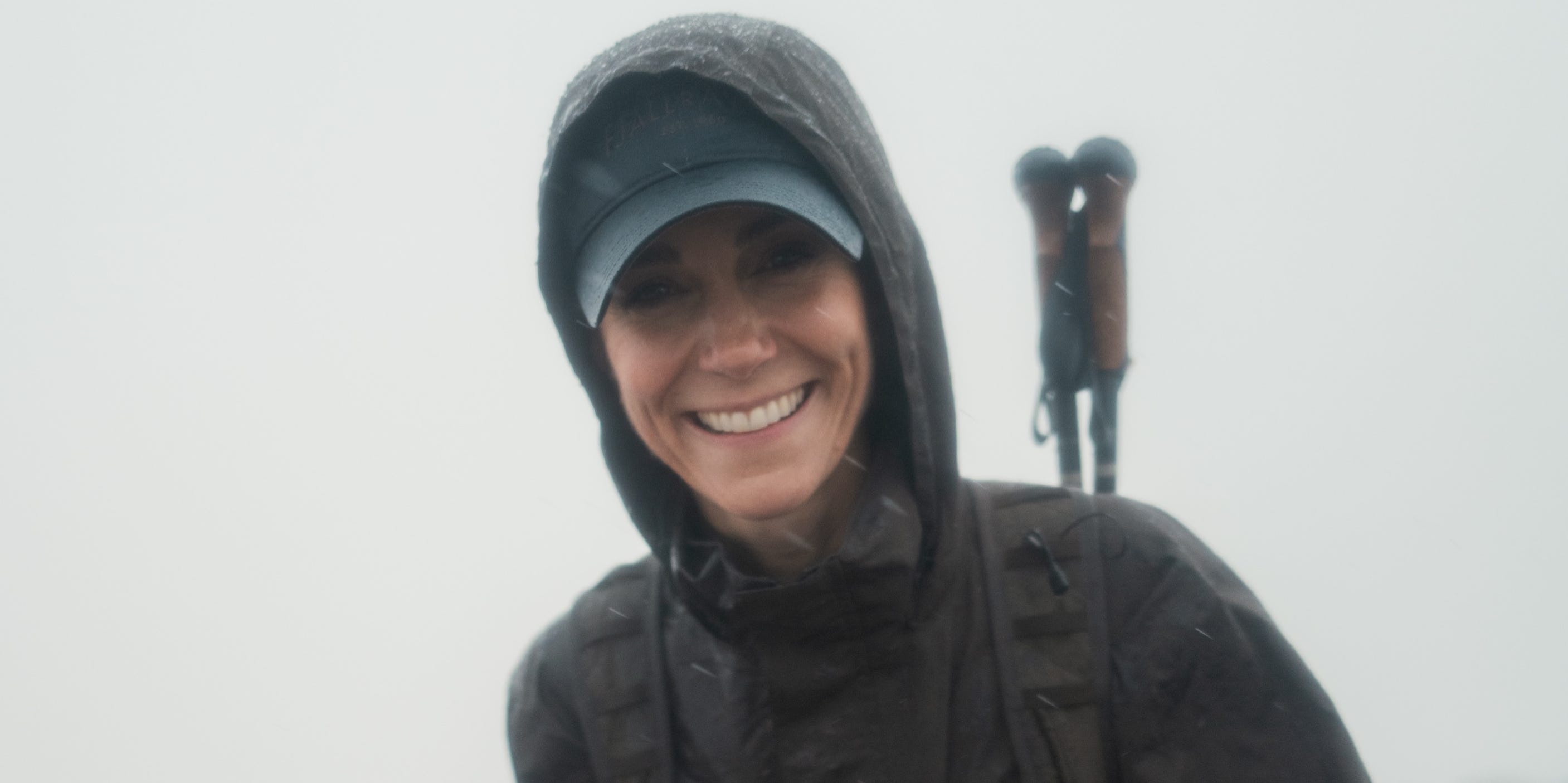
The National Three Peaks Challenge is not a casual countryside walk. Participants summit Ben Nevis in Scotland, Scafell Pike in England, and Snowdon in Wales – the highest points in each of the three nations. Completing all three typically takes around 24 hours, including the driving time between locations. It is a test of endurance that draws thousands of participants annually, many of whom raise funds for charitable causes in the process.
For someone who completed cancer treatment not long ago, the physical demands are significant. Recovery from the kind of systemic treatment Kate underwent – though specific details of her treatment regimen remain private – can leave lasting effects on stamina, joint strength, and respiratory capacity. The fact that she is preparing for this kind of physical undertaking speaks to where she is in her recovery, even without a formal health update from Kensington Palace.
The challenge also carries a symbolic register that is hard to ignore. Mountains have long been used as shorthand for survival narratives – the climb, the summit, the descent, the return. Kate is clearly aware of that language. Choosing this particular challenge, rather than a 5K or a charity gala, suggests a deliberate decision to do something physically demanding and emotionally meaningful at once.
What She Said, and Why the Wording Matters
Her statement is worth reading closely. She did not say cancer is hard. She said it “changes how you think and feel.” That distinction matters – it locates the experience not just in physical suffering but in identity, in the way a person processes daily life, relationships, and their own sense of self. It is a more honest framing than most public figures offer when speaking about illness.
She also said that recovery “requires more than medicine alone.” That phrase is doing a lot of work. It implicitly points toward the psychological, emotional, and social dimensions of survivorship – the parts that oncology appointments do not always address and that many patients describe as the most disorienting part of the experience. Kate did not name a specific charity or program in the initial statement, but the framing suggests she is building toward advocacy work in that space.
Style, Visibility, and the Politics of Showing Up
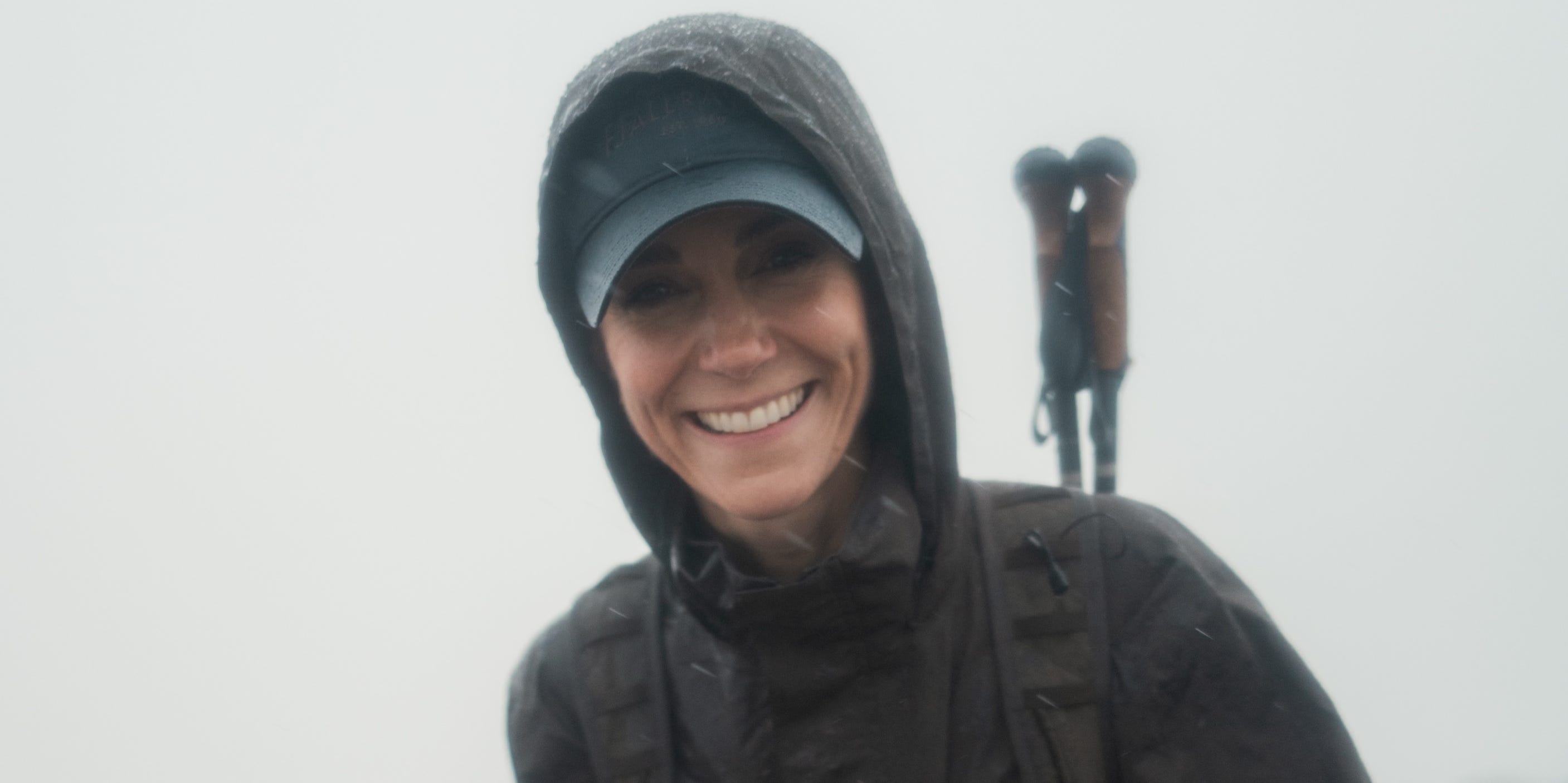
From a fashion and public image perspective, the choice to announce this challenge is notable for what it is not. Kate has not returned to public life primarily through polished appearances in structured coats and heels – the visual vocabulary that typically dominates her press coverage. Instead, she is reintroducing herself through physical action and personal disclosure. The aesthetic of the Three Peaks Challenge is waterproof jackets, hiking boots, and windburn. That is a deliberately different register.
There is a long tradition of royals using sport and physical challenge to project resilience and relatability. Prince William has done it. Harry, before his departure, leaned into it heavily with the Invictus Games. But Kate’s framing here is more personal than institutional. She is not asking the public to admire her fortitude from a distance – she is saying, directly, that she has been through something that changed her, and that this hike is part of what comes next.
It also positions her, quietly but clearly, as someone with standing to speak about cancer survivorship in a way that is neither performative nor abstract. She did not survive someone else’s illness. She lived through her own. That distinction shapes the credibility of anything she says or does in this space going forward. Whether she formalizes that into an advocacy role, a campaign, or a foundation remains to be seen – but this announcement reads like groundwork.
The Three Peaks Challenge has no official date announced yet. What exists is the statement, the intention, and the image of a woman who spent much of the past year out of public view now choosing to re-enter it at altitude.
She said the journey through and beyond treatment requires more than medicine alone. The question now is what, specifically, she intends to build from that belief.