





Dressed for the Heat, Not Against It
There is a specific kind of suffering that comes from wearing the wrong thing on a 95-degree afternoon – fabric that clings, waistbands that dig, synthetics that trap heat like a greenhouse. The solution, reliably and across every personal style, is a dress cut for summer’s actual conditions: lightweight, loose where it counts, and built from materials that move air rather than block it. From now through Labor Day, that is the uniform.
This edit covers the full range – cotton and linen maxis that travel well, poplin midis with cut-outs for airflow, mini shifts that move from a desk to a rooftop bar without a wardrobe change. Gingham prints, scarf silhouettes, tiered skirts, open backs, fringe, mesh – the breadth of options means there is no reason to sacrifice style for comfort when the temperature refuses to drop.
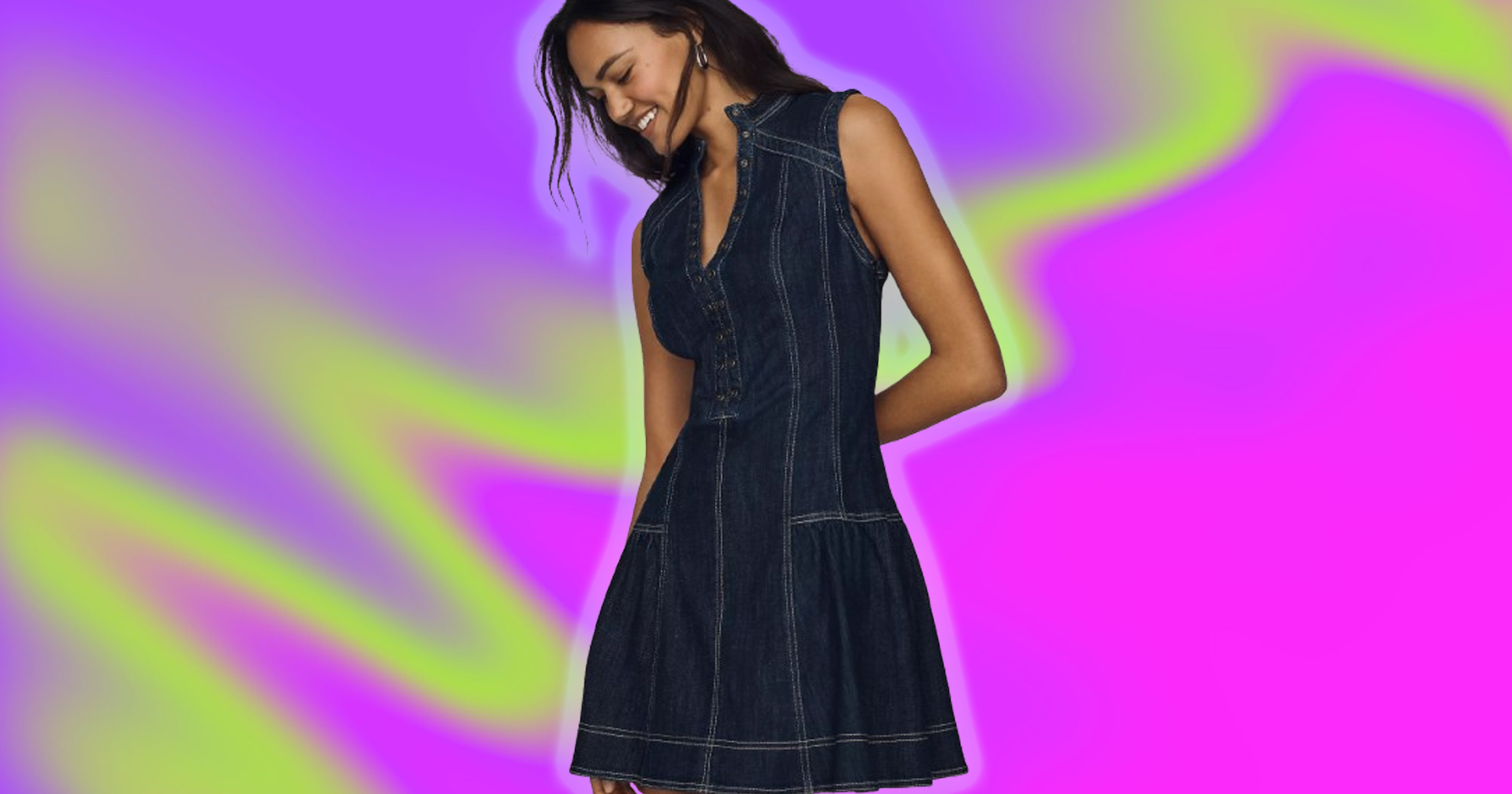
The Case for Going Long
Maxi dresses have an image problem. Coverage reads as warmth, and warmth sounds like the last thing anyone wants in peak summer. But the best maxi dresses sidestep that logic entirely – mesh constructions and open-back halter styles carry almost no heat at all, while loosely woven cotton and linen options create enough airflow to feel cooler than a bare leg on a humid day.
For summer weddings, mesh or fringe maxis hit the right note without requiring much effort. Date nights work well with open-back halter silhouettes, which offer a visual payoff without extra fabric weight. And the truly versatile picks – breezy cotton and linen cuts – go everywhere: beach town errands, long flights, outdoor dinners, vacation arrivals. Packability matters here too. A linen maxi that folds into a carry-on without wrinkling is functionally different from one that doesn’t, and the difference shows up in how often it actually gets worn.
Midi Length Is Doing a Lot of Work This Season
The midi sits in a particular sweet spot right now – it reads polished enough for an office without feeling overdressed, casual enough for a dinner out without looking like an afterthought. That balance is why this length keeps appearing across so many occasions: cocktail parties, afternoon meetings, casual Fridays, weeknight plans that shift from one context to another without time to go home and change.
What makes this summer’s midi dresses distinct is the silhouette variety. Asymmetric handkerchief hems bring an editorial edge to a traditionally safe length. Drop-waist milkmaid dresses lean into a romanticized country aesthetic that has been building for a few seasons. And ’90s slip styles – thin straps, bias cuts, fabric that skims rather than shapes – offer a studied understatement that works with sandals and sneakers equally well.
Cut-outs are showing up specifically in poplin midis, and the design choice is functional as much as aesthetic. Strategic openings at the waist or sides allow air to circulate in a way that standard coverage cannot. It is a detail that earns its place in a summer wardrobe beyond trend appeal alone.
For anyone building toward a summer wedding guest wardrobe, the midi is often the safest starting point – formal enough to honor the occasion, relaxed enough to spend six hours in without discomfort.
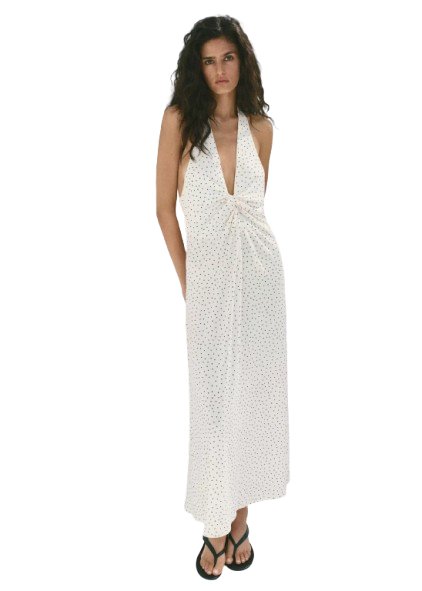
Minis Built for the Worst of It
When heat peaks – the kind of afternoon where even shade feels inadequate – the mini dress is the most defensible choice. Short hemlines mean less fabric in contact with the body, and swingy, floated constructions mean what fabric does exist stays off the skin. These are not small distinctions on a day that hits triple digits.
What this season’s minis get right is detail without weight. Shirred bodices add structure without adding bulk. Lace and embroidery create visual texture through construction rather than additional layers. Flowy sleeves – a slightly counterintuitive choice – actually reduce heat by keeping air moving around the arms rather than leaving them bare to absorb direct sun. Gingham prints in soft cottons read fresh without requiring any specific styling effort, which matters when it is too hot to think carefully about an outfit.
Reading the Calendar: Occasion by Occasion
Different summer plans impose different requirements, and the dress that works at a music festival is not necessarily the one that works at a beach wedding. Packable dresses matter for travel – styles that roll without creasing and recover their shape after a suitcase save real time and anxiety. Music festivals demand durability and easy movement. Late-night birthday parties call for something that still looks intentional at midnight. Beach weddings want elevation without heat misery.
Tiered maxi dresses address the triple-digit temperature problem through construction – multiple layers of lightweight fabric actually move with the body and create air pockets that a single-layer construction cannot replicate. The silhouette also photographs well without requiring stillness, which matters for outdoor events where people move constantly. Mini shift dresses cover the desk-to-drinks transition efficiently: a neutral or tonal option reads as professional during daylight and shifts register entirely with different shoes and jewelry after hours.
Scarf-silhouette dresses – cut to mimic the drape of a wrapped fabric – occupy an interesting middle position. They carry vacation energy without reading as resort-only, which gives them real range across summer’s varied social calendar. The construction tends toward lightweight materials by default, making them a practical choice even when the aesthetic appeal is what draws someone in first.
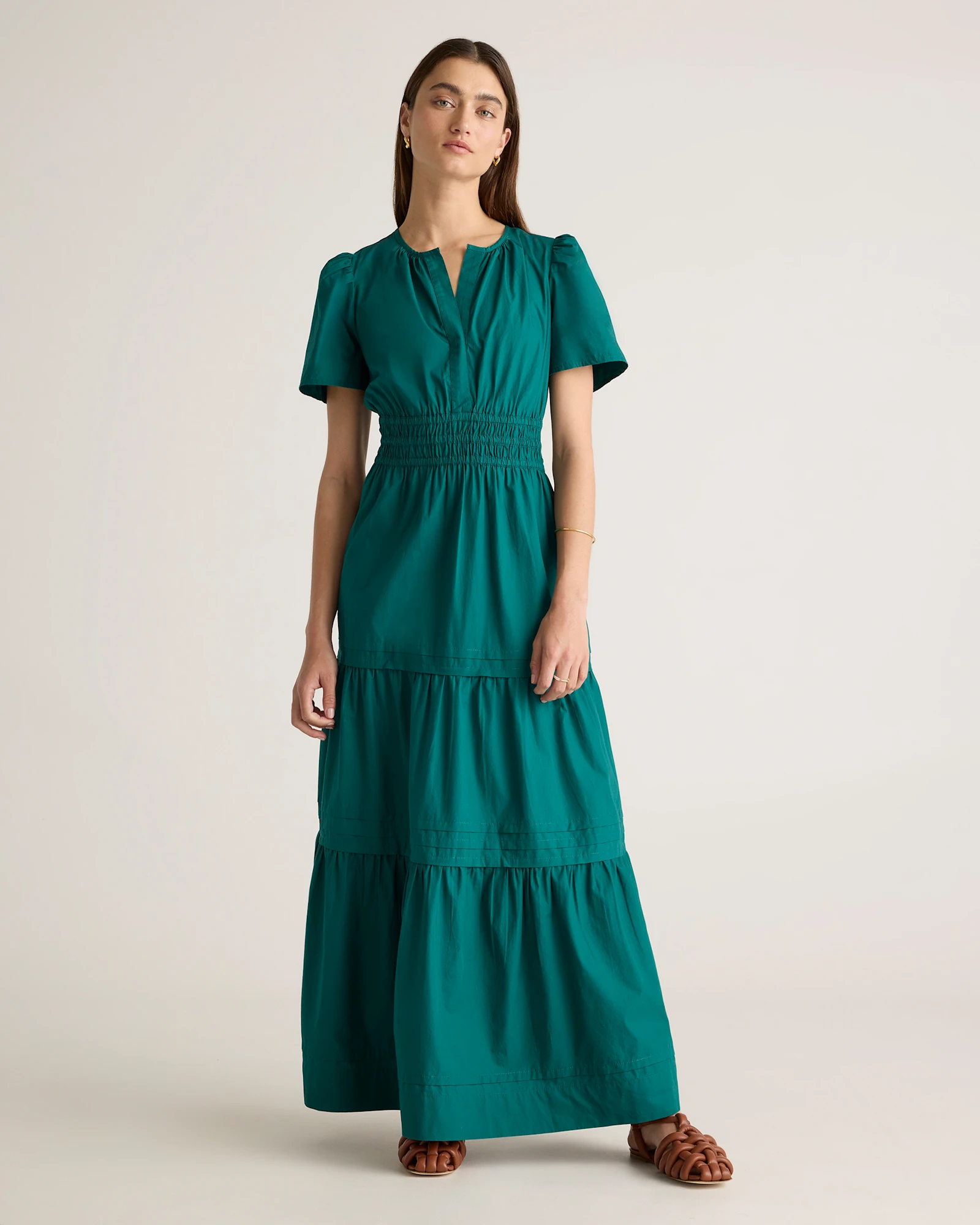
Fabric Is the Variable That Matters Most
Every other consideration – silhouette, length, print – is secondary to what the dress is actually made from. Cotton breathes. Linen breathes better and gets softer with wear. Poplin – a tightly woven cotton – holds its structure while still allowing airflow, which is why it keeps appearing in cut-out and midi designs this season. Mesh is the most extreme option: functionally more ventilation than fabric, which makes it appropriate for evenings rather than sun-drenched afternoons.
What the best summer dresses share, across every length and silhouette, is a refusal to cling, bunch, or stick to skin as the day heats up. That quality is almost entirely a fabric and construction question – a beautiful dress in the wrong material fails the moment the temperature climbs past a certain point. A plain-looking dress in the right one gets worn constantly until September.