



A Royal Outing Sets the Summer Shoe Agenda
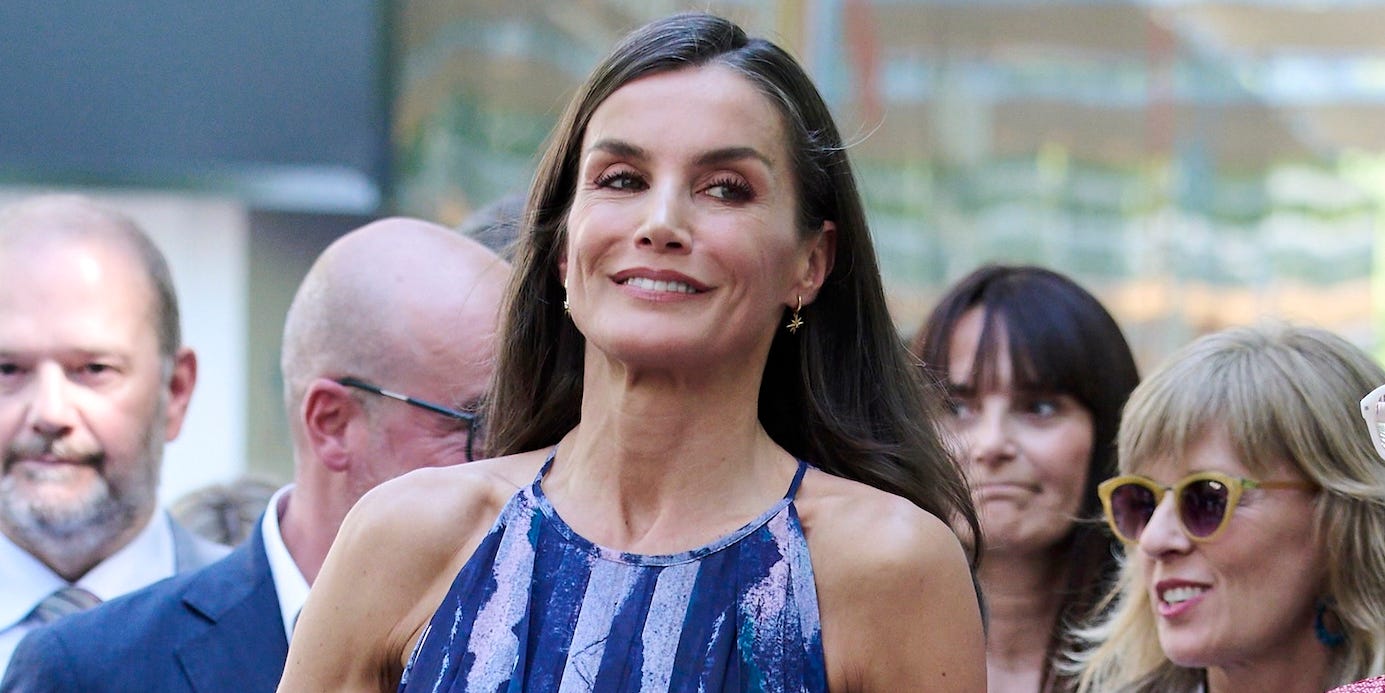
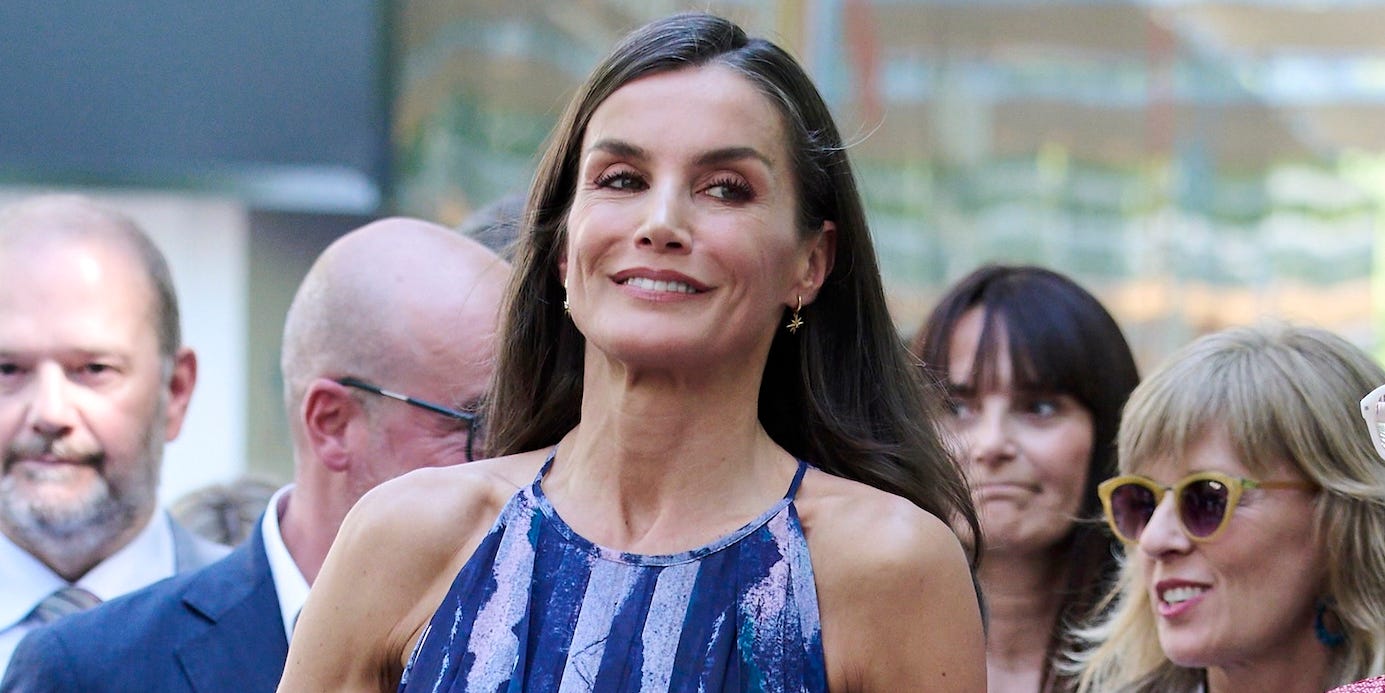
Queen Letizia appeared in Madrid dressed squarely for summer, anchoring her look with espadrille wedges that made an immediate case for the season’s most reliable warm-weather shoe. The Spanish queen has a consistent track record of threading accessible style choices into her public appearances, and this outing was no different – a reminder that royal dressing does not always mean formal dressing.
Espadrille wedges have held their ground as a warm-weather staple for decades, and seeing them on a working royal in a capital city context reframes them beyond beach holidays and terrace lunches.
Madrid in summer is its own kind of pressure test for style – the heat is unforgiving, and the city’s public spaces demand something that reads put-together without tipping into stiff formality. Letizia’s choice landed exactly there, marrying the casual construction of espadrilles with the added height of a wedge sole to produce a silhouette that reads dressed-up at a glance but functions like a practical warm-weather shoe.
Why Espadrilles Keep Earning Their Place Each Season
The espadrille is one of the older shoe forms still in active rotation – its jute-rope sole and canvas or leather upper trace back centuries in Iberian and Basque regional dress. The wedge variation came later, adding lift without abandoning the shoe’s inherently relaxed character. What distinguishes the wedge version from a flat espadrille is exactly that duality: the heel height suggests effort while the material keeps the overall register light.
For summer dressing, that balance matters. A stiletto reads too formal for the season’s casual tempo in most cities; a flat sandal can pull an outfit downward. The espadrille wedge sits between those two poles, giving a look enough vertical structure to feel intentional while the braided jute signals that the wearer is not overthinking it. Letizia’s selection of this silhouette for a public Madrid outing underlines why the style recirculates every spring without needing reinvention.
Spanish designers and international labels alike return to espadrilles each season because the demand holds. Brands including Castaner – a Spanish label that has produced espadrilles since 1927 – continue to anchor their summer collections around the silhouette, and luxury houses from Saint Laurent to Manebi have maintained their own versions with minimal structural changes year over year. The shoe does not need to be fixed because it has never really broken.
How Letizia Uses Footwear to Anchor a Look
Queen Letizia’s approach to footwear in public appearances tends to be deliberate without being showy. She returns to specific styles repeatedly – block-heeled sandals, pointed-toe pumps, and espadrilles among them – treating shoes less as statement pieces and more as structural decisions that set the register for everything above them. That consistency is itself a style choice, a refusal to let footwear compete with the rest of an outfit.
On this occasion in Madrid, the espadrille wedges functioned as a seasonal signal – a clear declaration that the wardrobe has shifted registers from spring transitional dressing into full summer mode. That kind of intentionality is worth noting, because it is easy to underestimate how much a single shoe choice communicates about where a look is meant to land tonally. Swap those espadrille wedges for a strappy stiletto sandal and the entire outfit would read differently, even if nothing else changed.
Letizia is not a queen who dresses to generate fashion coverage, which is precisely why her choices carry weight when they do register. She uses clothes and shoes to dress appropriately for context – a discipline that produces more interesting style results than chasing trends does. The Madrid summer outing and its espadrille wedges fit that pattern exactly: the right shoe for the weather, the city, and the public-facing moment, without any apparent effort to perform fashion.
The Takeaway for Summer Wardrobes
If there is a practical argument to extract from Letizia’s Madrid appearance, it is straightforward: espadrille wedges work across a wide range of summer contexts – a city outing, an afternoon event, a lunch that might extend into an early evening – in a way that flat sandals and heeled dress shoes both struggle to cover simultaneously. The silhouette’s versatility is not accidental. It is the result of a construction that keeps formality and ease in roughly equal tension, which is exactly what summer dressing demands when the schedule does not allow for mid-day shoe changes. Whether the wedge is jute-wrapped cork or a solid braided rope, the question for autumn collections is already being asked in design studios: can any other shoe form replace it, or does the espadrille just keep showing up because nothing else quite does the same job?