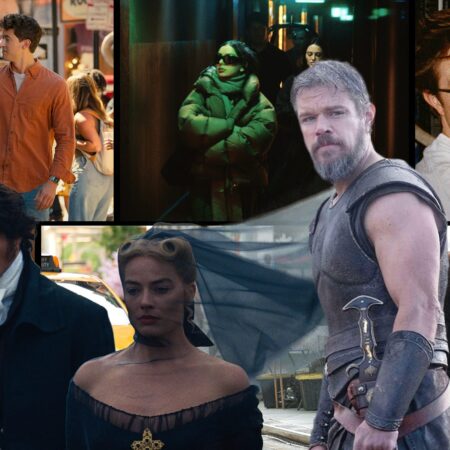





The cameras rolled on The Devil Wears Prada sequel, but behind the scenes, a different kind of magic was happening. The film’s lead makeup artist pulled back the curtain on the high-tech beauty devices that kept Anne Hathaway and the cast camera-ready throughout production.
From depuffing tools to LED therapy systems, the makeup department deployed an arsenal of beauty technology that would make any skincare enthusiast envious. These weren’t just vanity purchases-each device served a specific purpose in maintaining the cast’s appearance under demanding filming conditions.
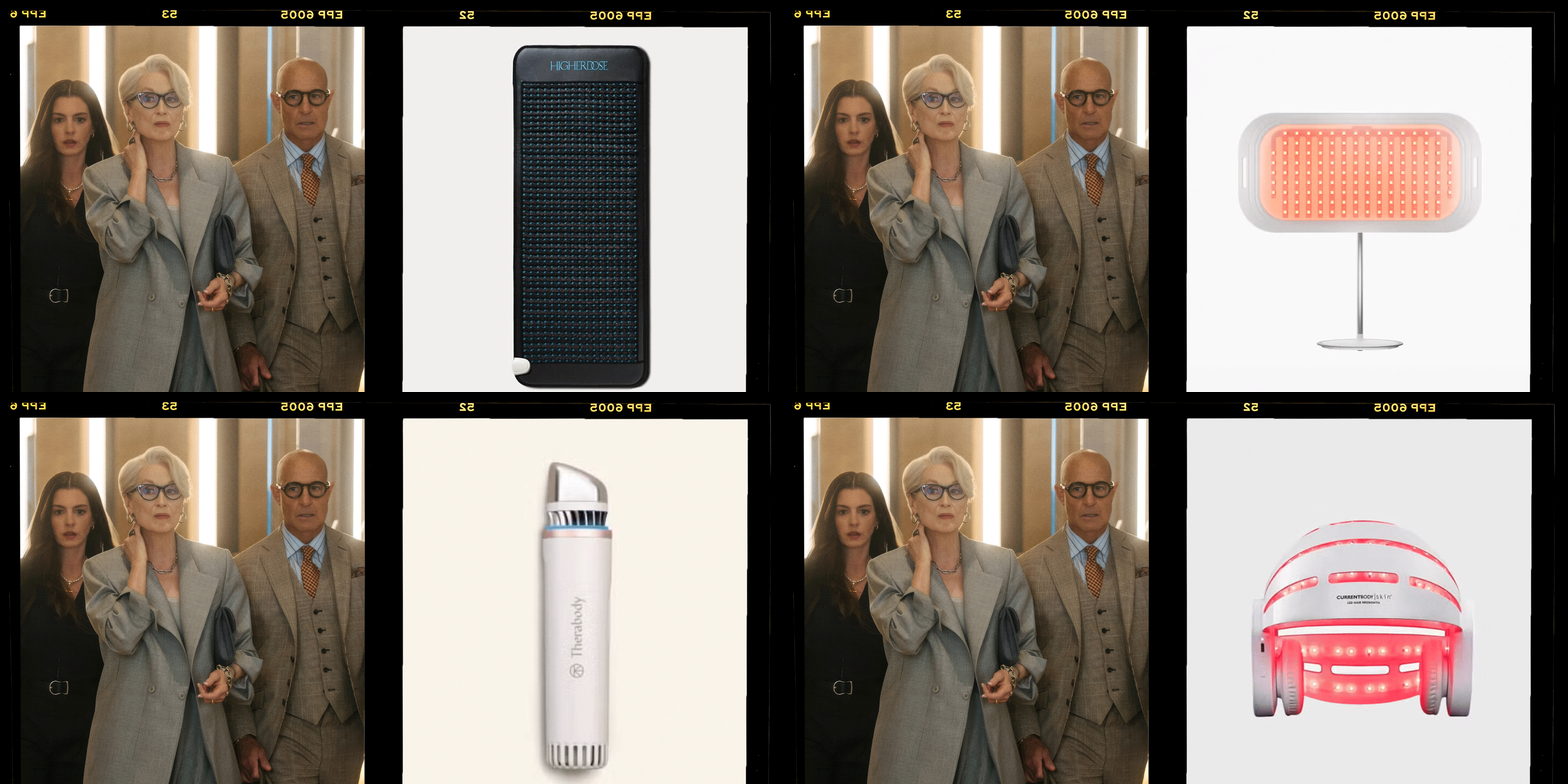
Anne Hathaway’s Go-To Depuffing Solution
Hathaway relied heavily on her favorite depuffing device during filming, according to the makeup artist’s revelations. The tool became essential for morning call times and long shooting days when facial swelling could affect continuity between scenes.
The device’s regular use helped maintain consistency in Hathaway’s appearance across multiple takes and filming days. Early morning shoots and late-night wrap times created challenges that traditional makeup alone couldn’t address, making the depuffing technology indispensable to the production process.
LED Hair Growth Technology Takes Center Stage
The cast’s beauty regimen extended beyond skincare to include advanced hair care technology. An LED hair-growth device made regular appearances in the makeup trailer, addressing concerns about hair health during the demanding filming schedule. The device’s red light therapy promised to stimulate follicles and improve hair density-factors that could impact how actors looked on camera from day to day.
Professional hair stylists on set incorporated the LED treatments into their routine maintenance protocols. The technology allowed them to address potential hair thinning or damage from frequent styling, hot tools, and the stress of production schedules. Cast members used the device between takes and during breaks, maximizing treatment time without disrupting the filming timeline.
The makeup artist noted that consistency in hair appearance proved just as important as skin maintenance. Continuity requirements meant that any changes in hair volume or texture could create costly reshoots. The LED device provided a proactive solution, maintaining hair health throughout the production period rather than addressing problems after they developed.
Beyond the leading cast, supporting actors and crew members also gained access to the hair growth technology. The makeup department treated it as preventive care, recognizing that the high-stress environment of film production could negatively impact everyone’s hair health. This inclusive approach ensured that all on-screen talent maintained consistent appearances regardless of their role size or screen time.
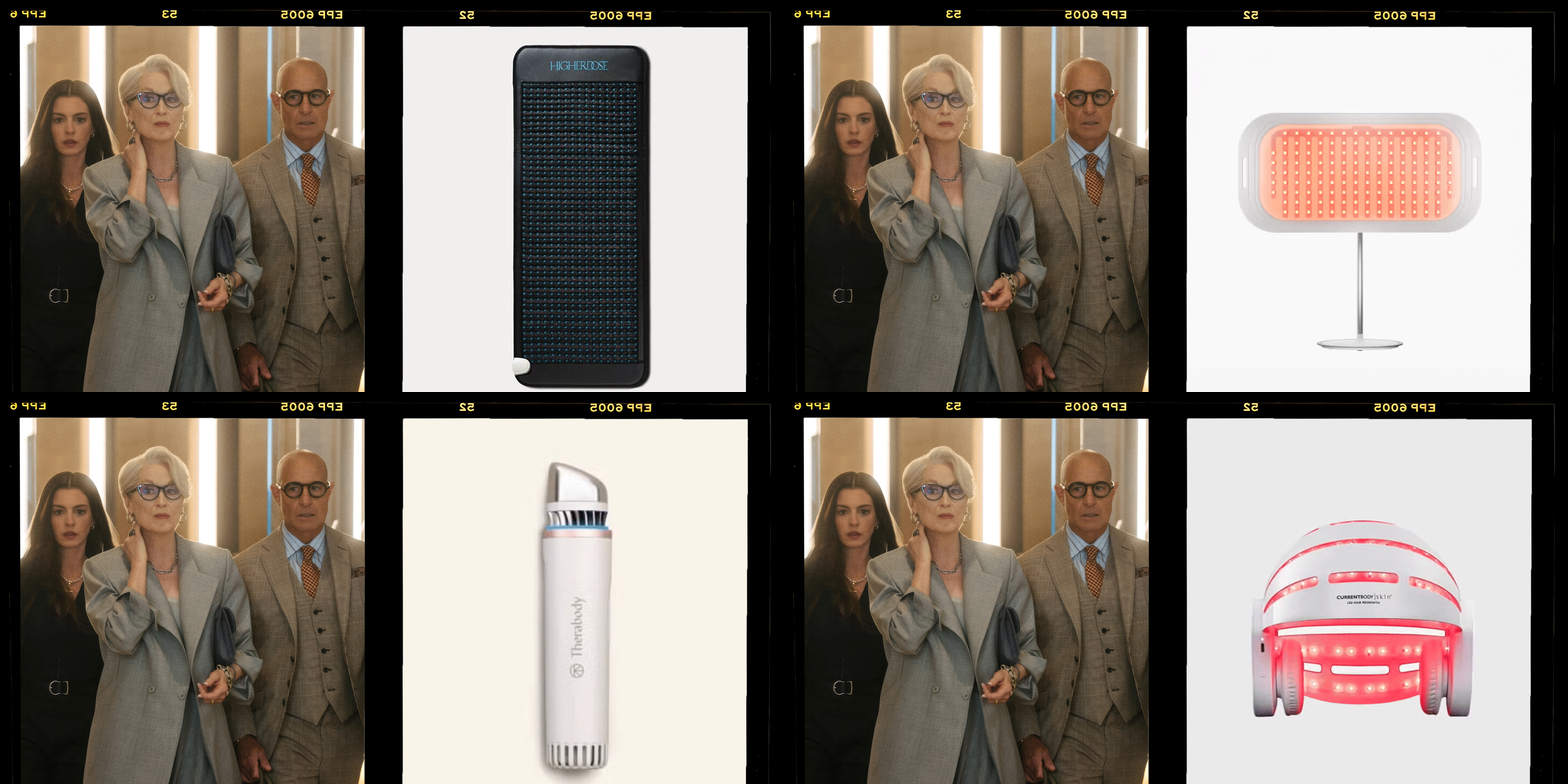
Head-to-Toe Beauty Tech Integration
The makeup artist’s approach extended far beyond facial treatments, incorporating devices for full-body care. The comprehensive beauty technology strategy addressed everything from scalp health to skin texture, ensuring that every visible part of the cast looked flawless under harsh studio lighting.
Professional-grade devices that might typically be found in high-end spas became standard equipment in the film’s makeup trailer. The investment in advanced beauty technology reflected the production’s commitment to maintaining visual consistency and supporting the cast’s wellbeing throughout the demanding shooting schedule.
Behind the Beauty Department’s Tech Strategy
The makeup artist’s device selection process revealed a calculated approach to beauty technology on film sets. Each tool underwent testing to ensure it delivered results quickly enough to fit within tight production schedules while providing lasting effects that would hold up under studio lighting and camera scrutiny.
Budget considerations played a significant role in determining which devices made it into the makeup trailer. The department had to balance effectiveness with practicality, choosing tools that multiple cast members could use safely and efficiently. Some devices required individual attachments or settings, while others could be shared with proper sanitation protocols.
The revelation of these beauty devices offers insight into how modern film productions approach cast care and visual consistency. As filming schedules become more demanding and camera technology more revealing, makeup departments increasingly rely on advanced tools to maintain the impossible standards of on-screen perfection. Will other productions follow suit with similar technology investments, or does The Devil Wears Prada 2 represent an unusually luxurious approach to cast beauty maintenance?