




Budget Pressure Sends Shoppers to the Secondary Market
OfferUp’s latest Recommerce Report makes one thing clear: secondhand shopping has moved well past its thrift-store reputation and into the center of how American households manage spending.
The report documents a shift in who is buying used goods and why. It is no longer a niche behavior driven by environmental idealism or treasure-hunting impulse – it is a financial strategy. Consumers are using recommerce platforms to hold on to purchasing power they would otherwise lose to inflation and tighter household budgets. The motivation is straightforward: get more for the same dollar, or spend fewer dollars on something that still meets the need.
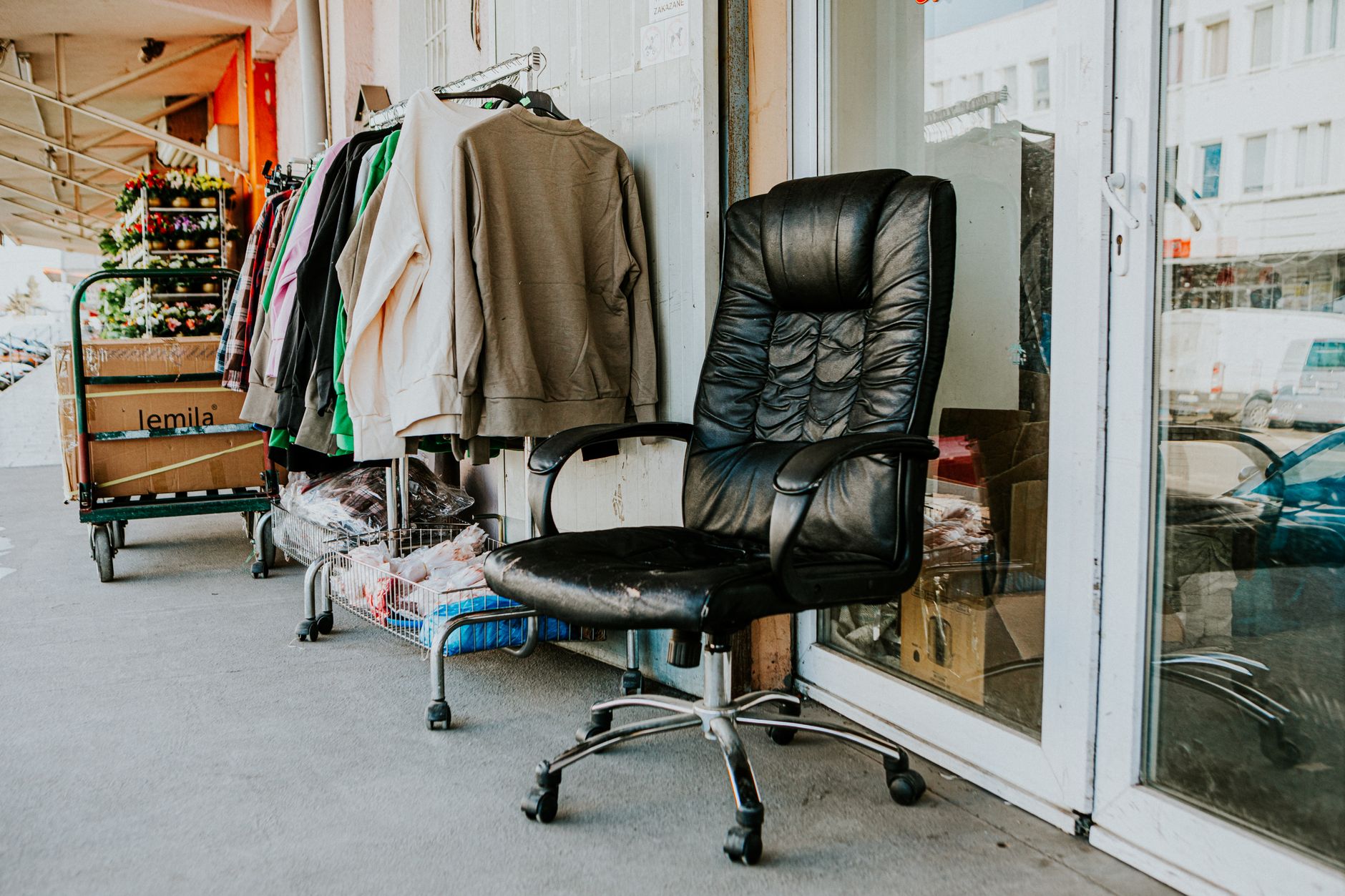
What stands out in the OfferUp data is the breadth of categories drawing buyers. Apparel – long the flagship category for secondhand commerce – is no longer the dominant story. Non-apparel goods are claiming significant attention, which means the recommerce market is expanding its functional territory rather than just deepening in areas it already owned.
The practical angle here matters. When shoppers go to a resale platform for furniture, electronics, sporting goods, or home goods rather than just vintage denim, the market stops being a fashion-adjacent curiosity and becomes a parallel retail economy. That is what OfferUp’s findings describe – consumers treating recommerce as a primary shopping channel, not a supplemental one.
That positioning change has real consequences for how brands and retailers think about product lifecycle, pricing, and where their customers are actually spending. A shopper who buys a used appliance on OfferUp instead of a new one at a big-box store has redirected spending in a way that does not show up as a brand win anywhere in the traditional retail chain.
What Shoppers Are Actually After
The report’s framing around “getting what they really want” is worth unpacking. It suggests that recommerce is not just a compromise solution – not simply what people settle for when they cannot afford retail. Instead, it is increasingly the deliberate choice for shoppers who have decided that condition and price together create better value than new-at-full-price ever did.
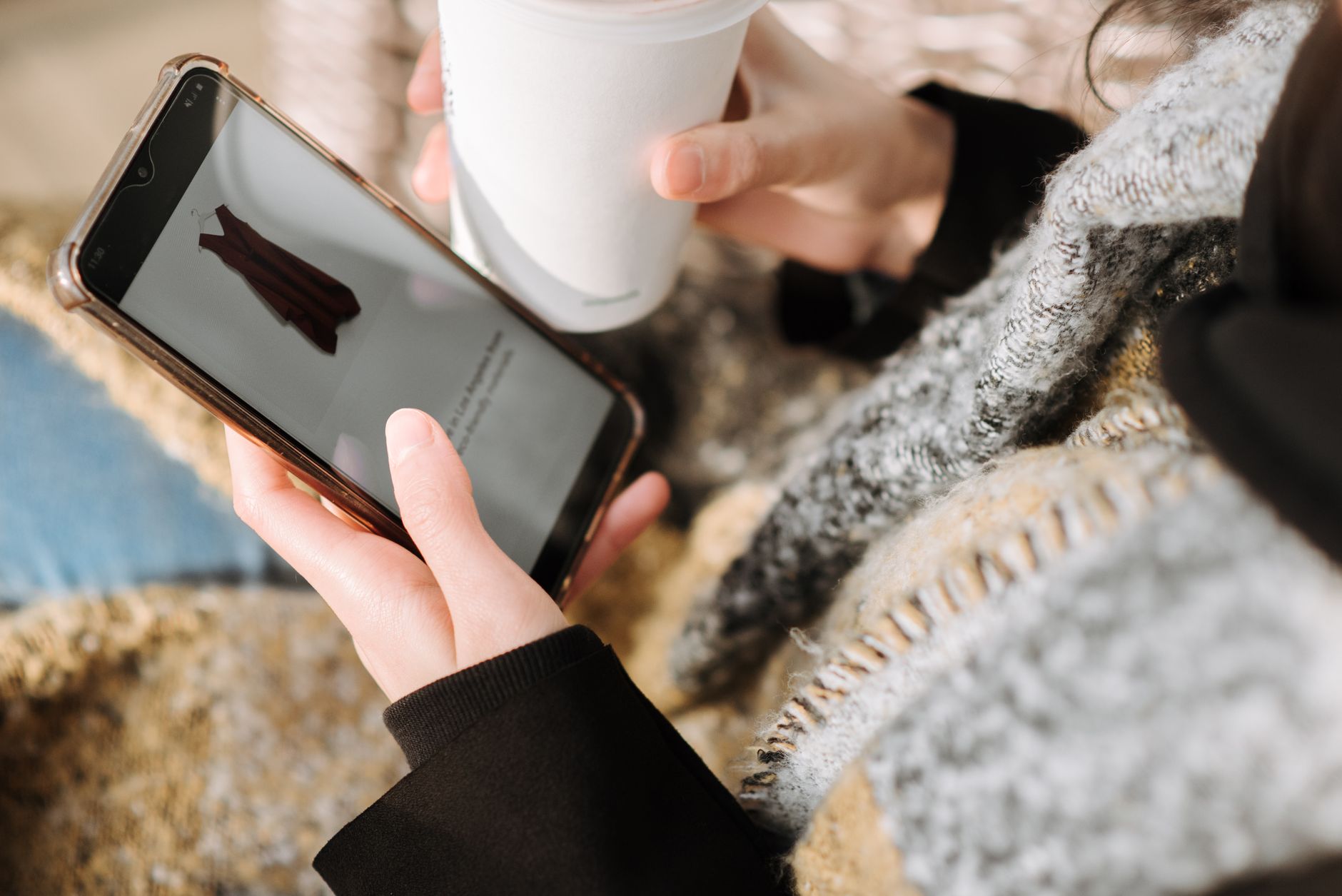
That reframing of value – away from newness and toward utility and price efficiency – is changing consumer expectations in ways that extend back to the primary market. Shoppers who regularly source goods secondhand recalibrate what they consider a fair price for almost everything. A person who buys a barely-used designer bag for 40 percent of retail does not walk into a boutique the following week and happily pay full price without question.
For fashion specifically, this creates an interesting tension. Runway collections and luxury goods have spent decades cultivating the idea that newness and exclusivity justify premium pricing. Recommerce does not destroy that argument outright, but it does complicate it – particularly for the mid-market and accessible luxury segments where the gap between new and used pricing is wide enough to feel irrational to a budget-conscious buyer.
OfferUp’s data shows consumers are stretching household budgets through secondhand purchasing, which means the recommerce decision is happening at the household financial planning level, not just at the impulse layer. That is a different kind of consumer behavior than browsing a thrift rack on a Saturday afternoon. It is deliberate, comparative, and increasingly habitual.
The non-apparel expansion is also worth reading as a signal about confidence. Early adopters of secondhand shopping often started with clothing because the stakes of a mismatch – wrong size, unexpected wear – felt manageable. Extending that behavior to electronics, furniture, and larger goods reflects a consumer base that now trusts the secondhand transaction enough to use it for higher-stakes purchases. OfferUp’s platform, which facilitates local and peer-to-peer transactions, sits directly in that trust-building process.
There is also a generational dimension that the recommerce numbers imply without spelling out. Younger consumers who built shopping habits during economic disruption – the pandemic years, subsequent inflation – have a different baseline relationship with secondhand goods than older cohorts who may have come to resale reluctantly. For a significant portion of current shoppers, buying used is simply how shopping works, not a workaround.
The Market That Retail Cannot Ignore
OfferUp operating at the scale this report implies means recommerce has become large enough that traditional retailers have to account for it as a competitive force – not just a fringe alternative. Brands that dismissed resale as irrelevant to their customers are encountering those same customers on platforms like OfferUp, buying goods that occupy the same functional space as new product.
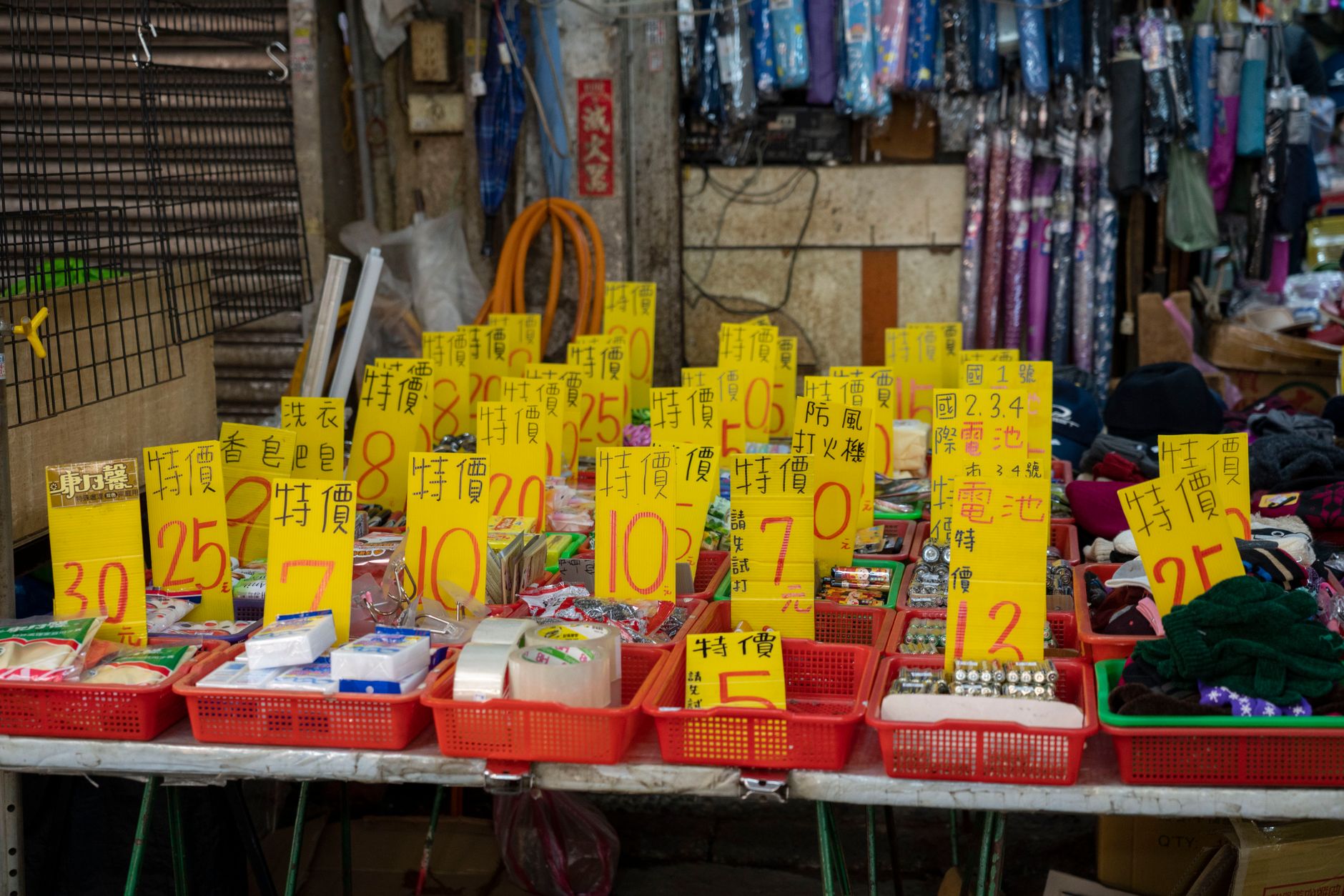
The question that OfferUp’s Recommerce Report leaves hanging is whether mainstream retail will respond by integrating resale into their own ecosystems – as some have already attempted through branded resale programs – or whether the peer-to-peer and third-party platforms will simply continue absorbing demand that traditional retail can no longer capture at price points consumers will accept. Several fashion brands have experimented with in-house resale, but the OfferUp model, grounded in local peer-to-peer transactions across a wide category range, operates on different economics entirely.