




A New Freight Corridor Takes Shape in Southeast Asia
APM Terminals, the port and logistics arm of global ocean carrier Maersk, is looking to build a rail freight network in Vietnam – a move that carries significant weight for the fashion and apparel industry, which relies heavily on Vietnamese manufacturing to keep global supply chains moving. The initiative would expand an already active partnership with Vietnamese conglomerate Hateco, connecting inland production zones to coastal export points with greater speed and lower friction than road transport currently allows.
The two companies already collaborate on multiple logistics operations across the country, most notably the joint management of northern Vietnam’s largest deep-water container terminal. A rail network would layer onto that foundation, giving fashion brands and their sourcing partners a more direct path from factory floors to ship holds.
Why Vietnam, Why Now
Vietnam has spent the better part of a decade consolidating its position as one of Asia’s most important garment manufacturing hubs. Major fashion labels – from fast fashion giants to premium sportswear brands – have shifted production volume into the country as a hedge against rising costs in China and ongoing trade policy uncertainty. That shift has pushed logistics infrastructure to its limits, particularly in the north, where manufacturing clusters around Hanoi and Haiphong are generating container volumes that road networks were never designed to handle at this scale.
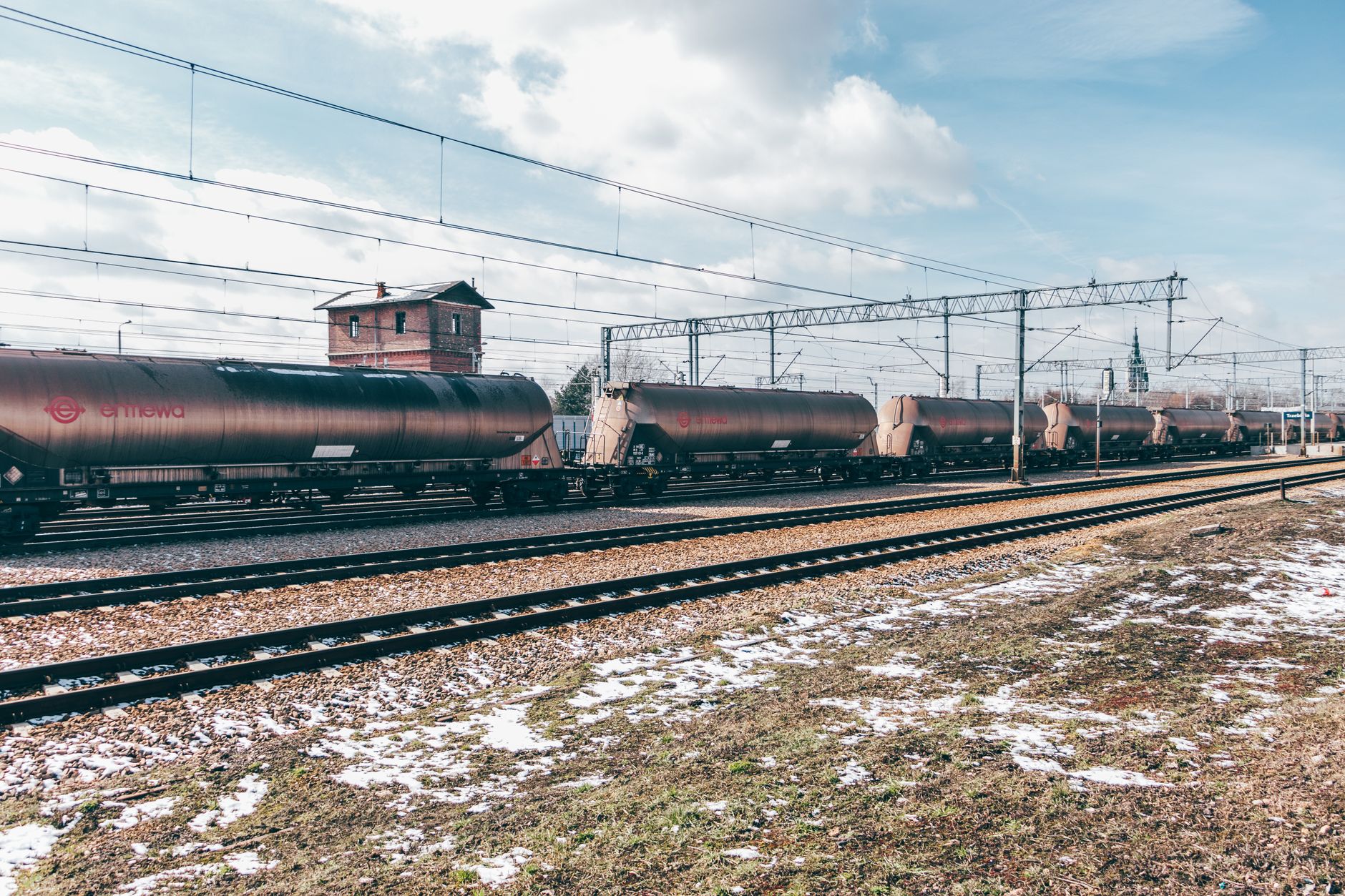
Rail offers a different equation. Where trucks get caught in port congestion and add unpredictable lead times to already tight production calendars, freight rail moves on fixed schedules and can absorb larger cargo volumes per trip. For fashion buyers managing seasonal delivery windows, that kind of predictability has real commercial value – a missed ship departure because of a delayed truck convoy can cascade into a missed retail floor date weeks later.
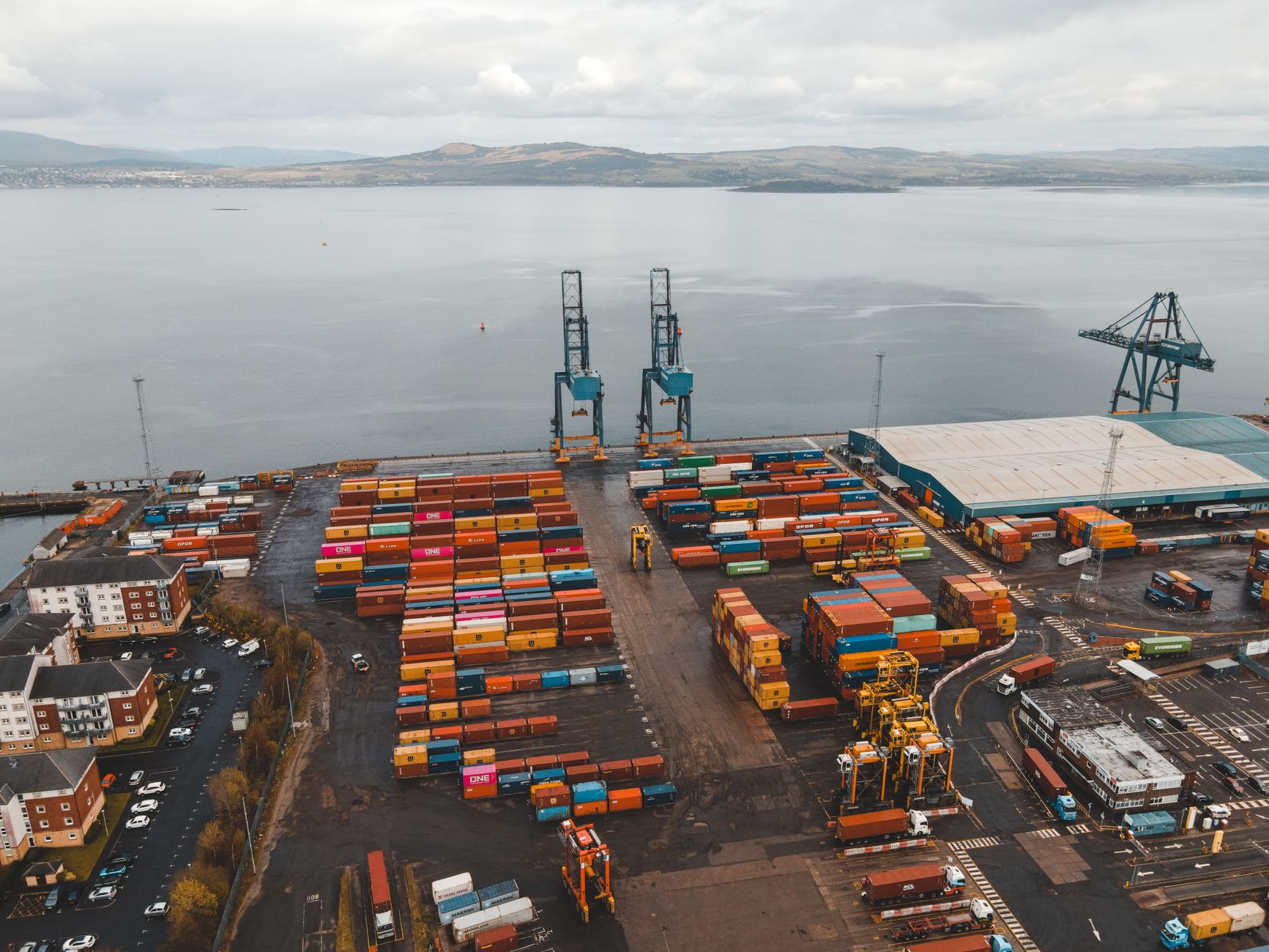
APM Terminals and Hateco’s existing deep-water terminal in northern Vietnam is already built to handle large container vessels, meaning that if a rail corridor can efficiently funnel cargo to that facility, the whole northern Vietnam export chain becomes faster and more competitive. The ambition appears to be exactly that: connect the interior to the port, and connect the port to the world, with fewer handoffs and less ground-level delay in between.
What This Means for Fashion’s Supply Chain
The fashion industry’s relationship with Southeast Asian logistics is frequently underestimated in coverage of the sector. Collections get photographed at runway shows in Paris and Milan, but the physical goods that reach consumers originate from a network of factories, freight forwarders, port operators, and ocean carriers that function as the industry’s actual backbone. When that infrastructure runs well, brands hit their delivery targets, inventory arrives fresh, and markdowns stay controlled. When it falters, the ripple effects show up as stockouts, delayed launches, and margin pressure that no amount of good design can offset.
Vietnam’s manufacturing output for apparel and footwear has grown steadily, making reliable export infrastructure a competitive necessity rather than a back-office concern. Maersk’s broader strategy in the region has been to move beyond pure ocean shipping and build end-to-end logistics capabilities – owning or operating the connections between factory, port, and final destination. The potential rail network in Vietnam fits that model directly, and Hateco’s local presence and conglomerate reach give Maersk the on-the-ground relationships needed to make infrastructure projects of this scale actually move forward.
Hateco’s Role and the Partnership Structure
Hateco is not a passive partner in this arrangement. The Vietnamese conglomerate brings deep familiarity with local regulatory environments, land rights, and government relationships – the kind of institutional knowledge that international logistics operators consistently identify as the difference between a project that gets built and one that stalls indefinitely in the planning phase. Vietnam’s infrastructure development has historically required that kind of local alignment to proceed at any meaningful pace.
The existing collaboration between Maersk’s APM Terminals and Hateco across various logistics initiatives in Vietnam suggests a relationship with enough depth to tackle something as capital-intensive and operationally complex as a rail freight network. Terminal operations are already shared between the two entities, which means the governance structures, financial arrangements, and operational coordination required for a larger project are not starting from zero.
For fashion brands sourcing in Vietnam, the identity of the operator matters less than the outcome: faster transit from production to port, more reliable booking windows for ocean freight, and less exposure to the kind of ground-transport delays that have disrupted delivery schedules repeatedly since 2020. The question is not whether the industry wants better infrastructure in Vietnam – it clearly does – but whether a project of this ambition can be executed at the speed that current trade volumes demand.
Northern Vietnam’s largest deep-water container terminal, already run jointly by APM Terminals and Hateco, sits at the center of that answer. It is the asset that makes a rail connection worth building – and the bottleneck that makes building it urgent.