



Where Fashion Meets the Bar Cart
Belvedere Vodka has cast model and musician Gabbriette as the face of its new campaign for Dirty Brew, a coffee-flavored vodka built around the cultural obsession with the espresso martini.
Gabbriette, Dirty Brew, and the Brand Logic Behind the Pour
Gabbriette is not an obvious choice if you’re thinking in traditional campaign terms – and that’s precisely the point. The model and musician has built a following on a persona that reads as effortlessly off-kilter, the kind of person who would order an espresso martini with full irony and zero apology. That energy maps cleanly onto what Belvedere is doing with Dirty Brew: positioning a coffee-flavored vodka not as a novelty spirit but as something that belongs in the hands of people with strong aesthetic opinions.
The campaign leans into irreverence as a strategy. Rather than the sleek, aspirational visual language that premium vodka brands typically deploy – think marble surfaces, long shadows, the general implication that you own a very clean apartment – the Dirty Brew campaign opts for a tone that’s looser, more personality-driven. Gabbriette’s dual identity as a model and a musician gives the campaign a cultural texture that a purely fashion-world face wouldn’t quite provide. There’s an implication of late nights that actually happened, not late nights as aesthetic metaphor.
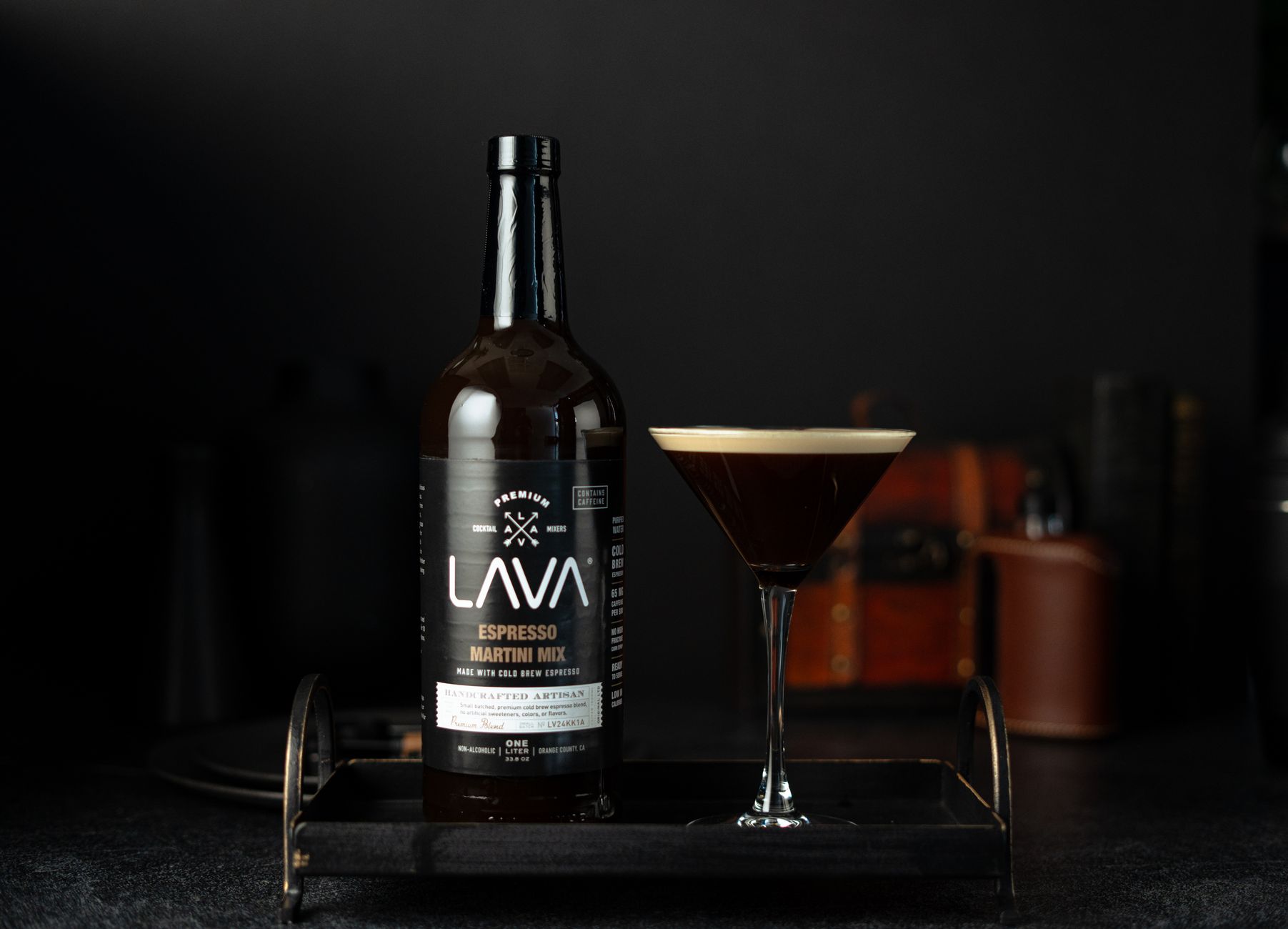
The espresso martini itself has had a sustained cultural moment that shows no sign of plateauing. What started as a nostalgic revival of a 1980s cocktail has settled into something more permanent – it’s now a reliable signal of a certain social disposition, ordered by people who want caffeine and alcohol to coexist without apology. Belvedere is reading that staying power correctly. Dirty Brew is not chasing a trend so much as it is formalizing a behavior that’s already embedded in how a specific, fashion-adjacent consumer drinks.
Gabbriette’s casting also reflects how the line between music, modeling, and brand identity has collapsed for a generation of talent who resist singular categorization. She isn’t famous in the way that a legacy supermodel is famous, and she isn’t famous in the way that a pop star is famous. Her visibility lives in a more diffuse cultural space – exactly where a brand selling a coffee vodka to people who probably follow a handful of downtown New York musicians wants to operate.
What Coffee Vodka Is Selling Beyond the Glass
Dirty Brew sits at the intersection of two things fashion-adjacent consumers have demonstrated they will reliably spend money on: specialty coffee and elevated spirits. The espresso martini’s appeal is partly functional – the caffeine delivers – and partly about what ordering one communicates. It says something specific about your social posture, your tolerance for a drink that requires a shaker and some effort from the bartender, and your general commitment to having a good time that extends past midnight. Belvedere is bottling that communication into a single product.
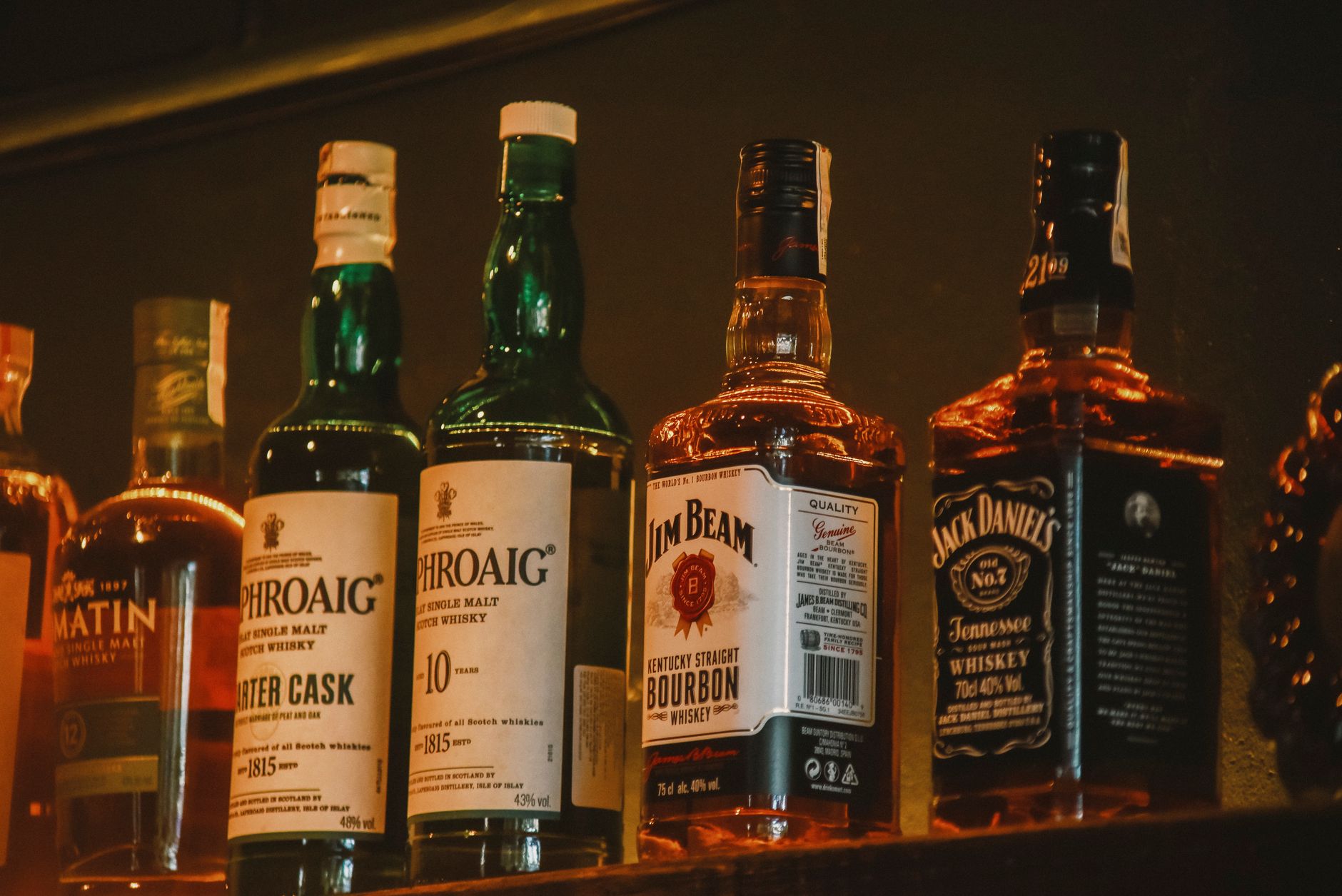
The campaign’s irreverence is doing something deliberate. Premium vodka is a saturated category where most brands compete on purity, process, or provenance – Belvedere’s own positioning has historically leaned into its Polish heritage and rye-based distillation. Dirty Brew steps outside that traditional frame. Coffee flavoring is not where a brand typically plants its prestige flag, but by fronting the campaign with someone like Gabbriette and committing to an irreverent visual and tonal register, Belvedere is essentially arguing that prestige can look like this too.
There is also a practical market argument. Flavored vodkas have long carried a reputation problem in spirits culture – associated with sugary excess, college mixers, drinks consumed for effect rather than pleasure. The espresso martini has done real work in rehabilitating that association. Because the cocktail requires actual espresso and arrives with a coffee foam, it reads as a considered drink choice even when it contains flavored spirits. Dirty Brew is positioned to benefit from that rehabilitation directly.
For Gabbriette, the campaign extends a visible year. She has maintained a steady presence across fashion and music spaces, the kind of figure who shows up in enough contexts that her involvement with any given brand feels like a genuine extension of who she is rather than a mercenary arrangement. That authenticity – however constructed – is exactly what Belvedere is purchasing when it signs a face for a campaign that depends on the audience believing the spokesperson would actually drink this.
The fashion industry’s relationship with alcohol brands as campaign partners has grown considerably more deliberate. Spirits companies are now approaching campaign creative with the same attention to talent curation and visual identity that fashion houses apply to their own advertising. The Dirty Brew campaign reflects that shift – this is not a celebrity holding a bottle. It’s a considered aesthetic object with a specific cultural argument embedded in every casting and creative decision.
The Espresso Martini as a Fashion Accessory
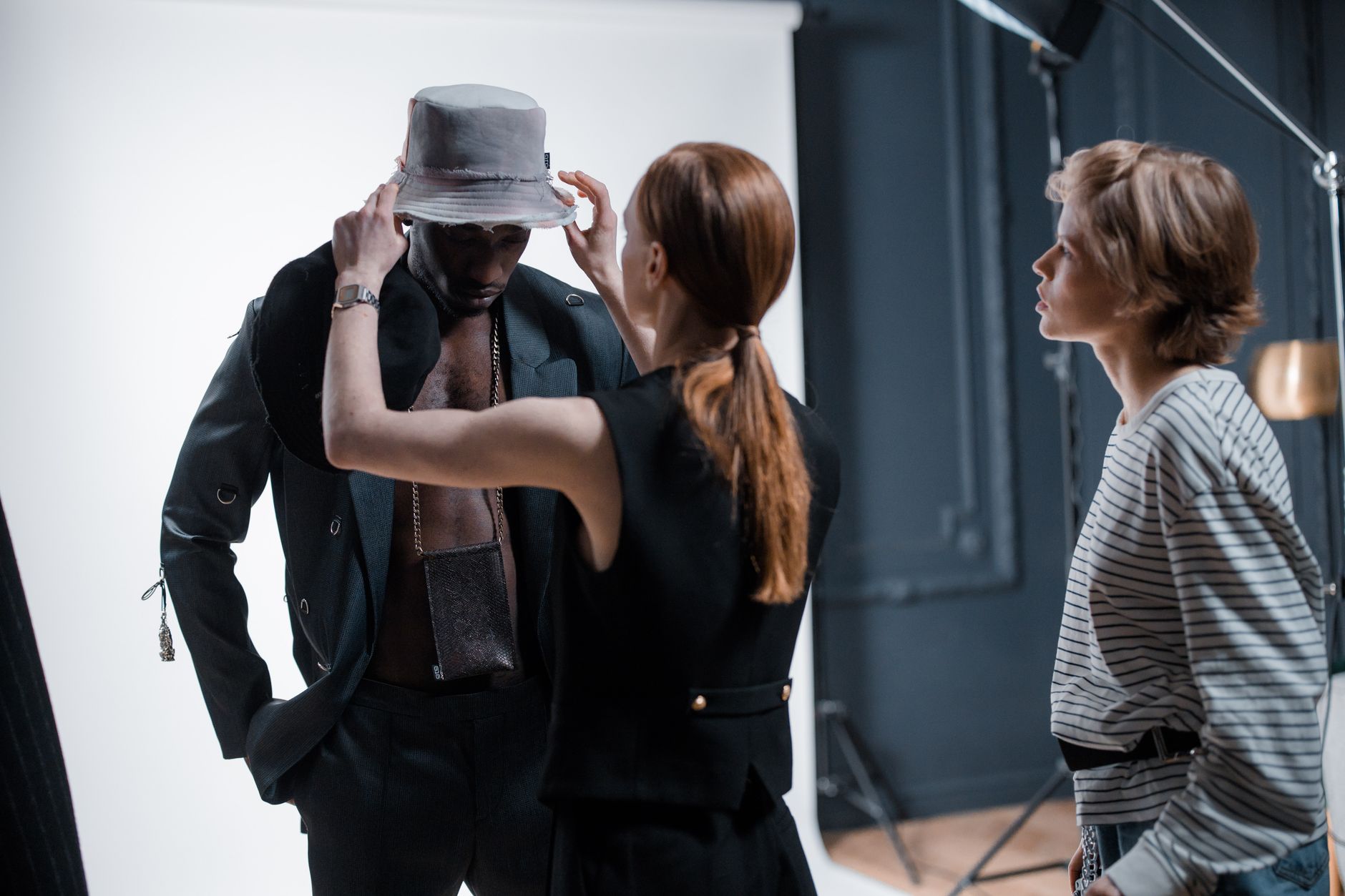
At some point, the espresso martini stopped being a drink and became a shorthand. It appears in fashion week backstage photos, on the tables at industry dinners, in the hands of people whose outfits are being photographed for a reason. Belvedere’s decision to build a product and a campaign around that specific cultural object is less about capturing a trend and more about acknowledging that the espresso martini has achieved the status of a recurring prop in a very specific kind of aspirational image.
Gabbriette holding a Dirty Brew cocktail in an irreverent campaign isn’t an accident of casting – it’s a precise calculation about who is being sold to and what they want the act of drinking to mean. Whether Dirty Brew can hold that positioning beyond the campaign’s initial rollout depends on whether the product itself can sustain what the marketing is promising.