





A Financial Report That Goes Beyond the Numbers
When Nike releases its first-quarter earnings, the figures themselves may matter less to investors than the voice delivering them. With a new chief financial officer now in the seat, Wall Street is treating this report less as a routine quarterly update and more as an audition – a first real chance to hear how Nike’s incoming financial leadership frames the brand’s recovery and what language they choose to describe the road ahead.
The stakes couldn’t be more grounded in reality.
Nike has been navigating a well-documented rough patch, and the turnaround plan that management has been signaling is still taking shape in investors’ minds. The new CFO’s commentary – particularly around margins, inventory discipline, and wholesale versus direct-to-consumer priorities – will be parsed carefully, because tone and emphasis at this level tend to telegraph strategic direction long before official announcements do. What gets mentioned, what gets sidestepped, and what gets qualified with hedging language will all carry weight on the call.

What Investors Are Actually Listening For
First-quarter earnings calls are never purely about the quarter. They’re about the architecture of a story that management wants investors to hold onto for the next several months. For Nike right now, that story is a turnaround – but a turnaround with enough moving parts that any new executive stepping into a senior finance role has to quickly decide which threads to pull and which to leave alone. The new CFO walks into that challenge immediately, with no grace period and a market audience that is already skeptical.
Turnaround timelines are the specific pressure point. Nike has been managing expectations around when its strategic reset – which includes pulling back from certain wholesale partners, rebuilding premium positioning, and recalibrating its product pipeline – will actually show up in hard financial results. Investors who have been patient are looking for signals that the CFO understands not just the current numbers, but the sequencing of when each lever is expected to move the needle. That kind of fluency is hard to fake in a live earnings environment.
There is also the question of what a new CFO brings in terms of credibility and fresh framing. Sometimes an executive transition at the finance level allows a company to quietly re-baseline expectations – to acknowledge headwinds more openly than a predecessor might have, precisely because the new person carries no personal ownership of prior projections. Whether Nike’s new CFO takes that opening, or instead reinforces continuity with previous guidance, will itself be a signal worth tracking.

The Runway Show Parallel – How Presentation Shapes Perception
In fashion, there is a well-understood dynamic between the clothes on the runway and the way a collection is staged, lit, and narrated. The garments are the facts. Everything surrounding them is editorial. Nike’s Q1 report operates on a similar tension: the earnings data is the collection, and the CFO’s commentary is the show. A strong presentation can shift how an audience receives even middling numbers, while a hesitant or contradictory narrative can undercut results that might otherwise land well.
Nike’s brand, whatever its current financial turbulence, remains deeply embedded in sports culture and streetwear relevance. The Air Jordan line alone continues to generate cultural heat independent of the company’s quarterly swings, which is both an asset and a complicating factor – because it means brand equity and financial performance can diverge significantly without the market knowing exactly which one to weigh more heavily at a given moment.
That divergence is exactly why the CFO’s voice becomes so important. Analysts following Nike need a financial translator who can bridge the gap between what the brand means culturally and what it is producing operationally. If those two things are moving in opposite directions – strong product momentum, weaker margin recovery, for instance – the CFO has to hold that tension honestly while still offering a coherent path forward. It is a narrow bandwidth to operate in, especially in a debut appearance.
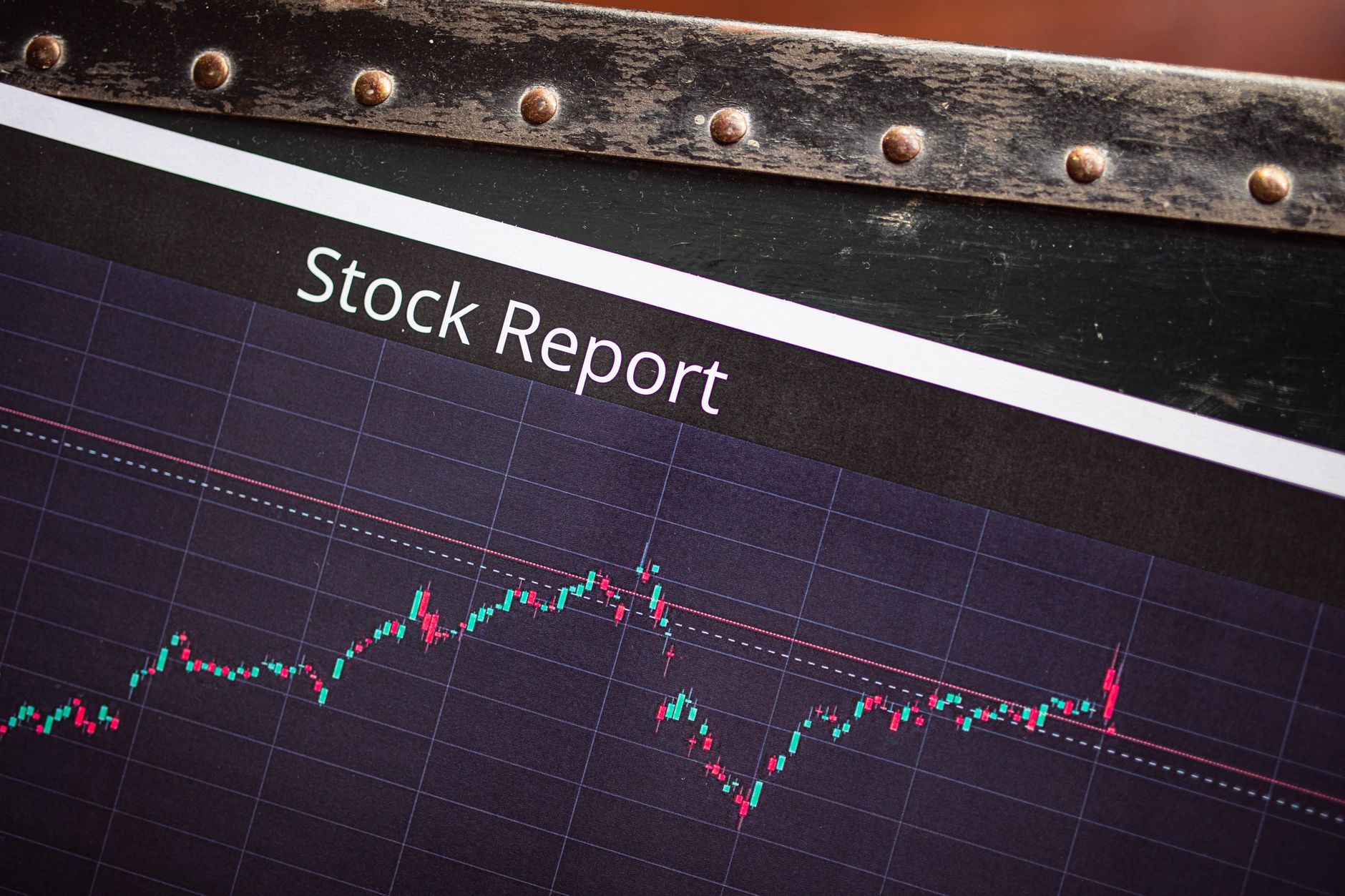
The Pressure of a First Impression
Q1 is not the quarter where turnarounds are proven. It is the quarter where intentions are declared. For Nike’s new CFO, the earnings call is the first formal moment to establish a relationship with investors who are already carrying a complicated set of assumptions about where this company is headed and how long they are willing to wait to find out if management is right. The new CFO either reinforces confidence in the plan or introduces a new frequency of uncertainty into an already cautious market read. And investors – who have been watching Nike reset its retail strategy, renegotiate its product priorities, and defend its premium positioning against intensifying competition from brands like On Running and New Balance – are not walking into this call with a lot of patience left to spare.