




A Skate Classic Steps Into Fast Fashion Territory
Vans is now selling its sneakers through Zara, marking a distribution move that places one of skateboarding’s most recognizable silhouettes inside a fast-fashion retail environment. Three versions of the Vans Authentic sneaker are currently listed on Zara’s e-commerce platforms, giving the brand direct exposure to a shopping audience that skews younger and trend-driven.
The partnership is retail-facing rather than product-facing – Vans isn’t designing anything new for Zara, but instead funneling existing product through a new channel. The Authentic, which has been in production since 1966, needs no introduction to sneaker consumers, but its appearance on Zara’s digital shelves signals something worth watching about how footwear brands are rethinking where they show up.
What the Authentic Brings to Zara’s Floor
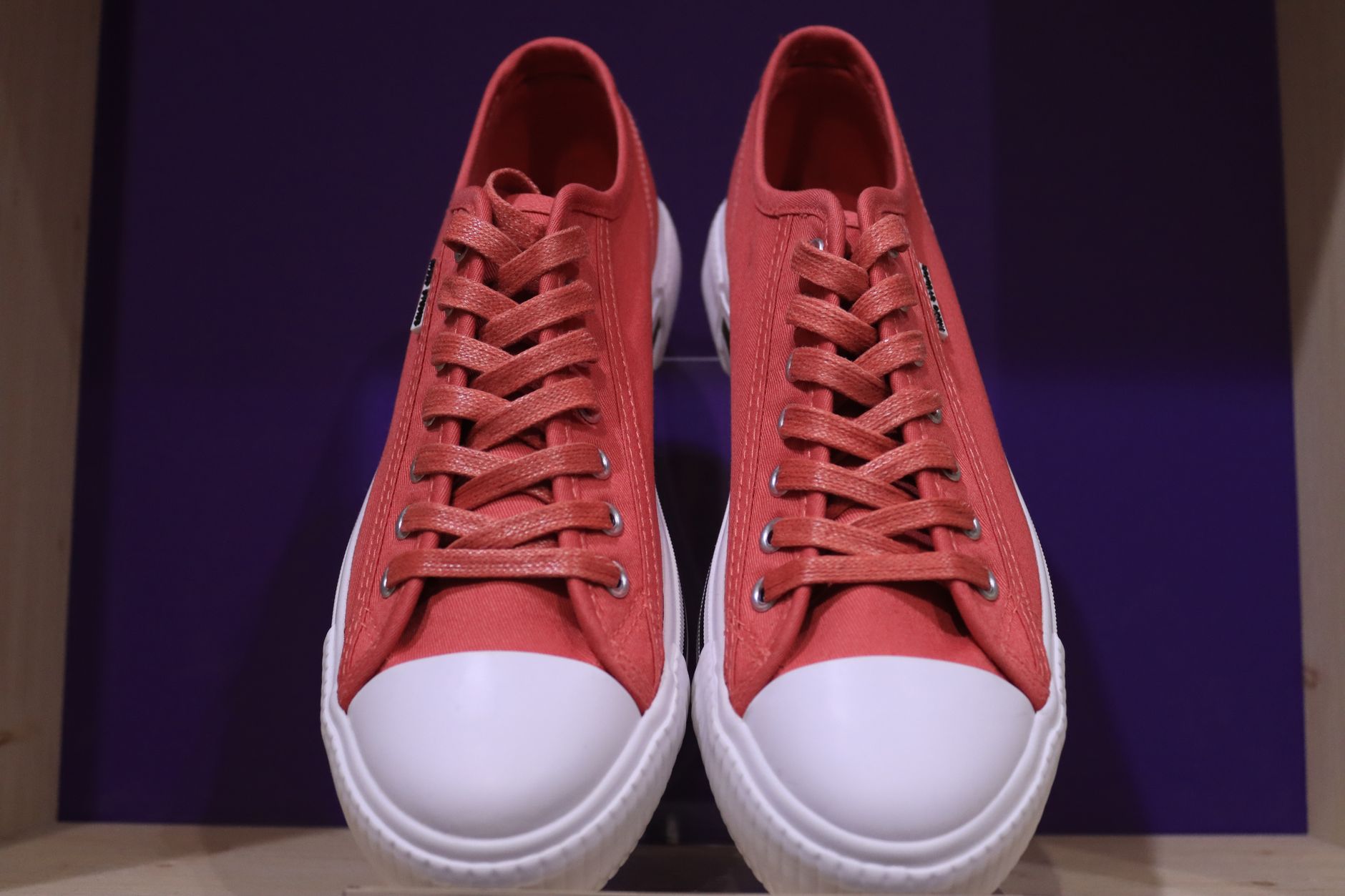
The Vans Authentic is about as stripped-down as a sneaker gets – canvas upper, waffle outsole, metal eyelets, flat lace. It was the brand’s first shoe, and it has spent decades cycling between subcultural staple and mainstream wardrobe fixture without ever fully belonging to either. Zara’s customer base, by contrast, shops by season and trend cycle, which makes the Authentic’s permanence an unusual addition to a platform defined by rotation.
Three colorways or configurations of the Authentic are featured in the listing, though the specific versions have not been detailed beyond their presence on Zara’s e-commerce site. For Vans, the calculus here isn’t complicated: Zara commands significant web traffic and a loyal, fashion-conscious shopper. Slotting the Authentic into that ecosystem means the shoe gets seen by people who may not be walking into a Vans store or scrolling the brand’s own site.
Wholesale relationships have been the backbone of sneaker distribution for decades, but the specific retail partners a brand chooses say something about where it wants to be positioned. Vans sitting alongside Zara’s apparel collections places it in a fashion-adjacent context rather than a sport or skate one – a subtle but real shift in how the silhouette might be perceived by a first-time buyer encountering it there.

Distribution Strategy at a Complicated Moment for Vans
Parent company VF Corporation has been navigating a difficult stretch, and Vans in particular has faced pressure to stabilize its sales trajectory after a period of declining performance. Expanding into Zara’s e-commerce platform is one way to put product in front of more consumers without requiring the brand to build new physical retail infrastructure or invest in standalone marketing campaigns.
The decision to lead with the Authentic rather than a higher-profile or more recent silhouette is telling. It’s the brand’s foundational shoe, broadly recognized and easy to merchandise. It doesn’t require explanation or context. For a retail partner like Zara, which moves quickly and needs product that sells without heavy editorial support, the Authentic is a logical entry point.
Fast Fashion as a Footwear Distribution Channel
Zara’s e-commerce operation is not a small audience. Inditex, Zara’s parent company, reported over 5.8 billion euros in online sales in fiscal 2023, and the platform attracts shoppers specifically looking for fashion-forward, accessible product. Footwear has been a growing category within that mix, and Zara has expanded its own-brand shoe offerings considerably in recent years. Adding a recognizable third-party brand like Vans changes the dynamic on the platform slightly – it’s no longer purely Zara’s own product, but a curated selection that borrows from outside brand equity.
This isn’t the first time a heritage sneaker brand has found its way onto a fast-fashion retailer’s site, but the Vans-Zara pairing is notable given how different the two brands’ identities have historically been. Vans built its reputation through decades of sponsorship in skateboarding and music subcultures. Zara built its through speed-to-market manufacturing and fashion-cycle responsiveness. The Authentic sneaker is now operating across both of those contexts simultaneously.
For consumers, the practical outcome is straightforward: the Vans Authentic is now easier to find, available through a platform many shoppers already use for clothing. Whether that accessibility deepens the brand’s appeal or dilutes any remaining sense of exclusivity is an open question – the Authentic has never been a limited release, but it has also never been a Zara product.
The e-commerce listing went live without any announcement of a broader retail expansion into Zara’s physical stores, leaving the scope of the partnership unclear. Three Authentic styles are on the site. Whether more Vans product follows – or whether this remains a quiet test of a new channel – is not yet known.
Three styles. No announcement. No campaign. Just a canvas sneaker on a fast-fashion checkout page, waiting to see how many people add it to the cart.