




The Athletic Silhouette Gets a Lift
Something is shifting on the footwear floor heading into 2026, and it has nothing to do with minimalism or quiet luxury. The sneaker heel – that hybrid construction that grafts athletic upper DNA onto a raised sole or stiletto base – is back in circulation, and it is arriving through some of the most recognizable names in the shoe business. Nike, Converse, Vaquera, and Lacoste have all introduced sneaker heel styles in recent months, signaling that the category is moving beyond novelty into something closer to a sustained design direction.
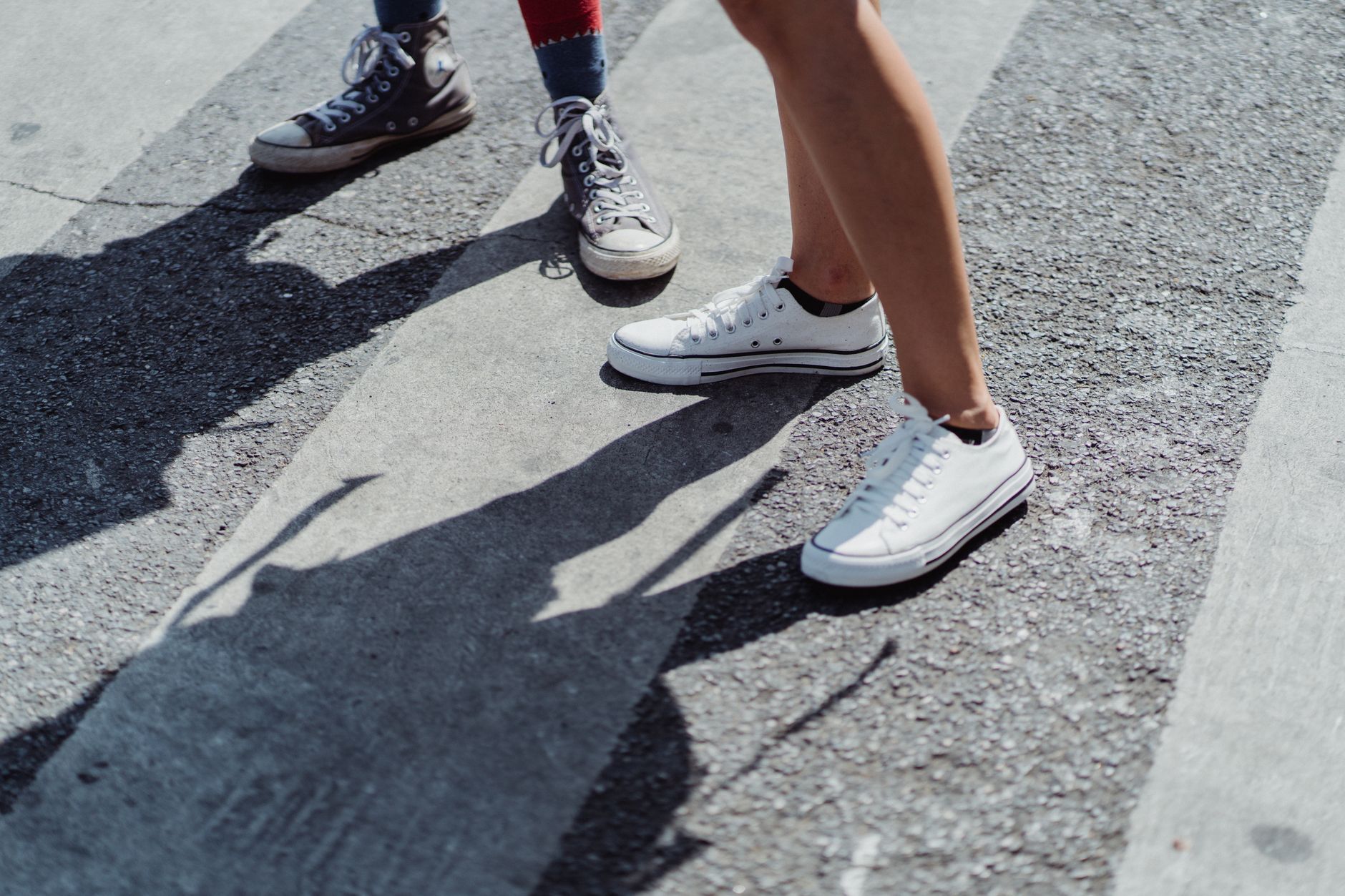
The timing is not accidental. Footwear designers have been pushing against the flat-sole dominance of the past several years, looking for ways to inject height and drama into silhouettes that consumers already trust and wear daily. The sneaker heel solves that problem directly – it keeps the comfort associations of athletic footwear while giving the shoe a dressed-up profile that works for evenings, editorial, and anywhere in between.
Four brands. Four distinct design languages. One shared bet on elevation.
What Nike, Converse, Vaquera, and Lacoste Are Each Bringing
The fact that Nike is involved matters enormously here. As the largest athletic footwear brand in the world, Nike’s design decisions carry enormous downstream weight – when Nike commits to a silhouette, it tends to pull the broader market in that direction. The brand’s entry into sneaker heel territory for 2026 is not a limited capsule gesture; it is a statement that the category has enough commercial legs to warrant the investment. Converse, operating under the Nike umbrella but with its own distinct streetwear credibility, has approached the heel format from a different angle, applying it to the canvas-and-rubber vocabulary the brand has built over more than a century.
Vaquera brings a more subversive energy to the same construction. The New York-based label has long treated fashion’s familiar codes as material for deconstruction, and its sneaker heel work fits that pattern – the shoe reads as both sincere and slightly disruptive, which is exactly where Vaquera tends to operate. Lacoste, meanwhile, arrives from the sport-heritage side, with a sneaker heel aesthetic rooted in tennis-court reference points filtered through a contemporary French luxury lens. The four brands together cover an unusually wide range of price points, cultural associations, and retail channels, which suggests that the sneaker heel is not targeting a single niche consumer.
What connects these releases is a commitment to inventive silhouettes rather than simple heel additions. Each brand has worked the elevation into the shoe’s architecture rather than tacking it on as an afterthought, which is why the resulting styles read as design objects rather than costume pieces. That distinction matters when predicting whether a trend holds past a single season.
Why the Sneaker Heel Has Staying Power This Time
The sneaker heel has appeared before – most visibly in the early 2010s, when platform athletic shoes and wedge sneakers circulated through both high fashion and fast fashion simultaneously. That cycle burned bright and faded quickly, partly because the construction felt like a fashion-math exercise rather than a genuine evolution of either the sneaker or the heel. The 2026 version is arriving with a different foundation. Brands are treating the silhouette as a category with its own design logic, not as a limited experiment, and the range of aesthetics on offer – from Vaquera’s downtown edge to Lacoste’s sport-chic polish – suggests the format is flexible enough to travel across different styling contexts.
Consumer appetite for footwear that does more than one job has been strong across the past two seasons. Hybrid and elevated silhouettes have driven significant energy in the boot category, and the same logic applies to sneakers. Shoppers who have built wardrobes around athletic footwear are not necessarily looking to abandon that foundation – they want options that let them wear what they already love in more situations. A sneaker heel extends the use case of the athletic silhouette without forcing a complete wardrobe shift.
The retail picture also supports the category’s durability. Sneaker heels occupy a price tier that makes sense for both the brands producing them and the consumers buying them – they can command a premium over a standard sneaker because of their construction complexity, but they do not require the same leap of faith as a luxury heel purchase. Nike, Converse, Vaquera, and Lacoste each have established retail relationships that can carry a new silhouette to scale without requiring a complete distribution overhaul. The infrastructure for the sneaker heel’s success is already in place.
Where This Leaves the Footwear Calendar for 2026
With four brands of this profile confirming sneaker heel styles for 2026, buyers and stylists will begin treating the silhouette as a wardrobe staple rather than a fashion story – and that reclassification is what turns a trend into a category. The question is not whether the sneaker heel will be present on shelves next year. It will be. The real pressure now falls on brands that have not yet entered the space: do they follow with their own interpretations before the moment peaks, or do they wait and risk arriving too late to define how their customer understands the shoe?
Vaquera’s version sits in a downtown boutique. Lacoste’s lives in a sport-luxury retail environment. Nike reaches a consumer who has never set foot in either. That spread tells you exactly how wide the sneaker heel’s potential audience actually is in 2026.