





The Cost Chain Tightening Around Footwear
Footwear brands that spent the last two years quietly absorbing elevated production costs are facing a familiar problem: oil prices are climbing again, and this time the pressure is hitting from multiple directions at once. The raw materials that go into making shoes – rubber for sneakers, synthetic fabrics, foam compounds – are derived from petroleum, meaning every dollar gained at the pump translates directly into higher manufacturing input costs before a single pair of shoes leaves the factory floor.
Shipping costs are following the same upward curve. Fuel surcharges on freight contracts move with oil markets, so a spike in crude doesn’t just make the shoe more expensive to manufacture – it makes it more expensive to move from the factory in Vietnam or Indonesia to a warehouse in New Jersey or a storefront in London.
What Oil Actually Does to a Shoe
It’s easy to think of oil as a fuel problem, something relevant to airlines and trucking companies. Inside the footwear industry, though, oil functions as a raw material as much as an energy source. Synthetic rubber – the kind used in outsoles on running shoes, athletic trainers, and even casual sneakers – is a petroleum derivative. So are many of the adhesives that bond shoe components, the foam used in midsoles, and the nylon or polyester materials that make up uppers on performance and lifestyle footwear alike.
When oil prices rise, every one of those materials gets repriced. Suppliers pass the increases to manufacturers, manufacturers pass them to brands, and brands face the familiar decision: absorb the margin hit or raise retail prices. For the past several seasons, many brands chose absorption, betting that oil would stabilize and consumer demand would stay soft enough to make a price increase politically costly. That calculus is now changing.
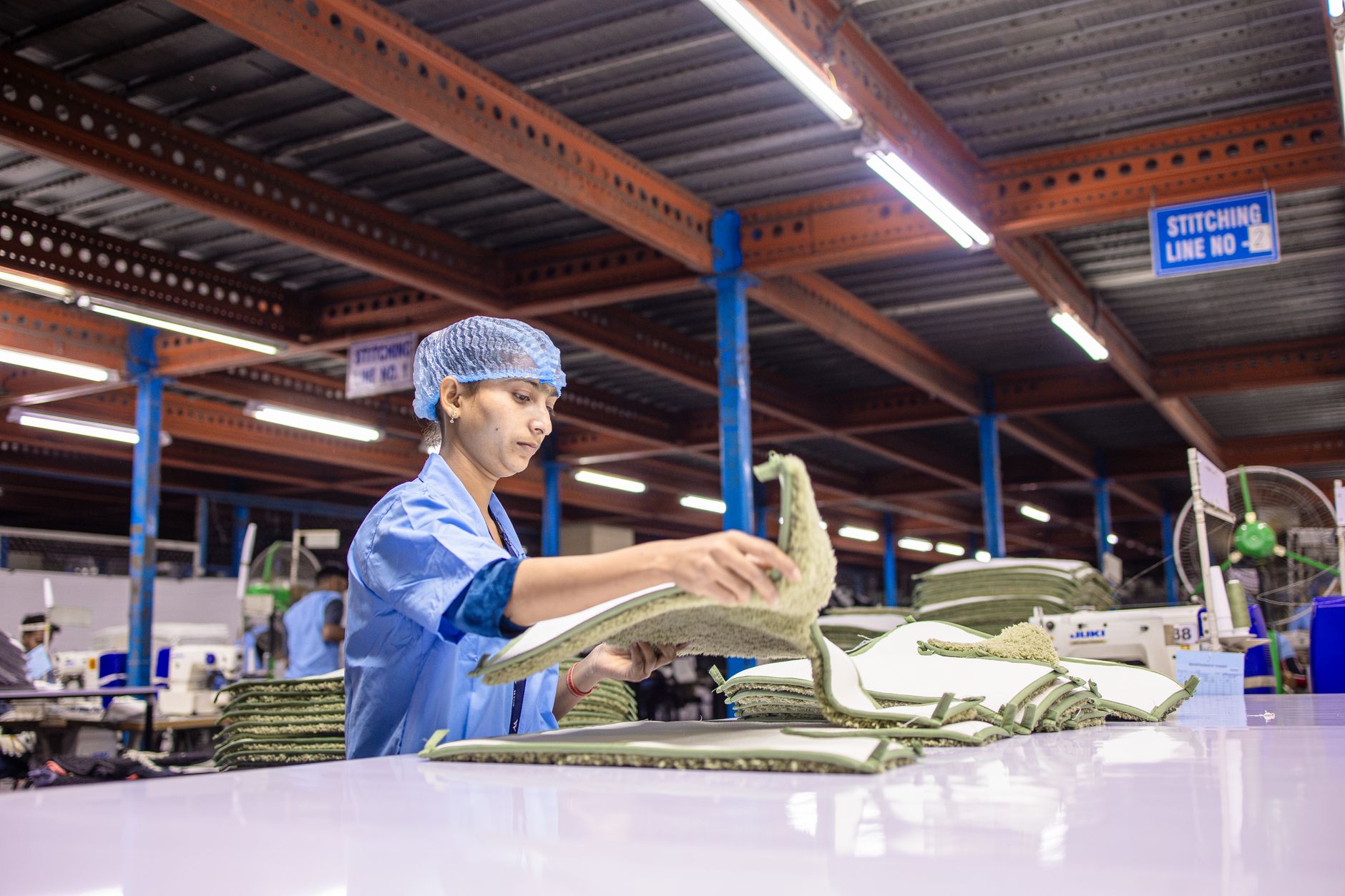
Factory energy costs are also climbing. Manufacturing facilities – particularly those running large-scale cutting, molding, and stitching operations – are heavy electricity consumers, and in regions where electricity is priced in relation to fuel costs, the factory bill goes up alongside the barrel price. This is a cost that rarely gets discussed in consumer-facing coverage but shows up clearly in brand margin reports quarter after quarter.
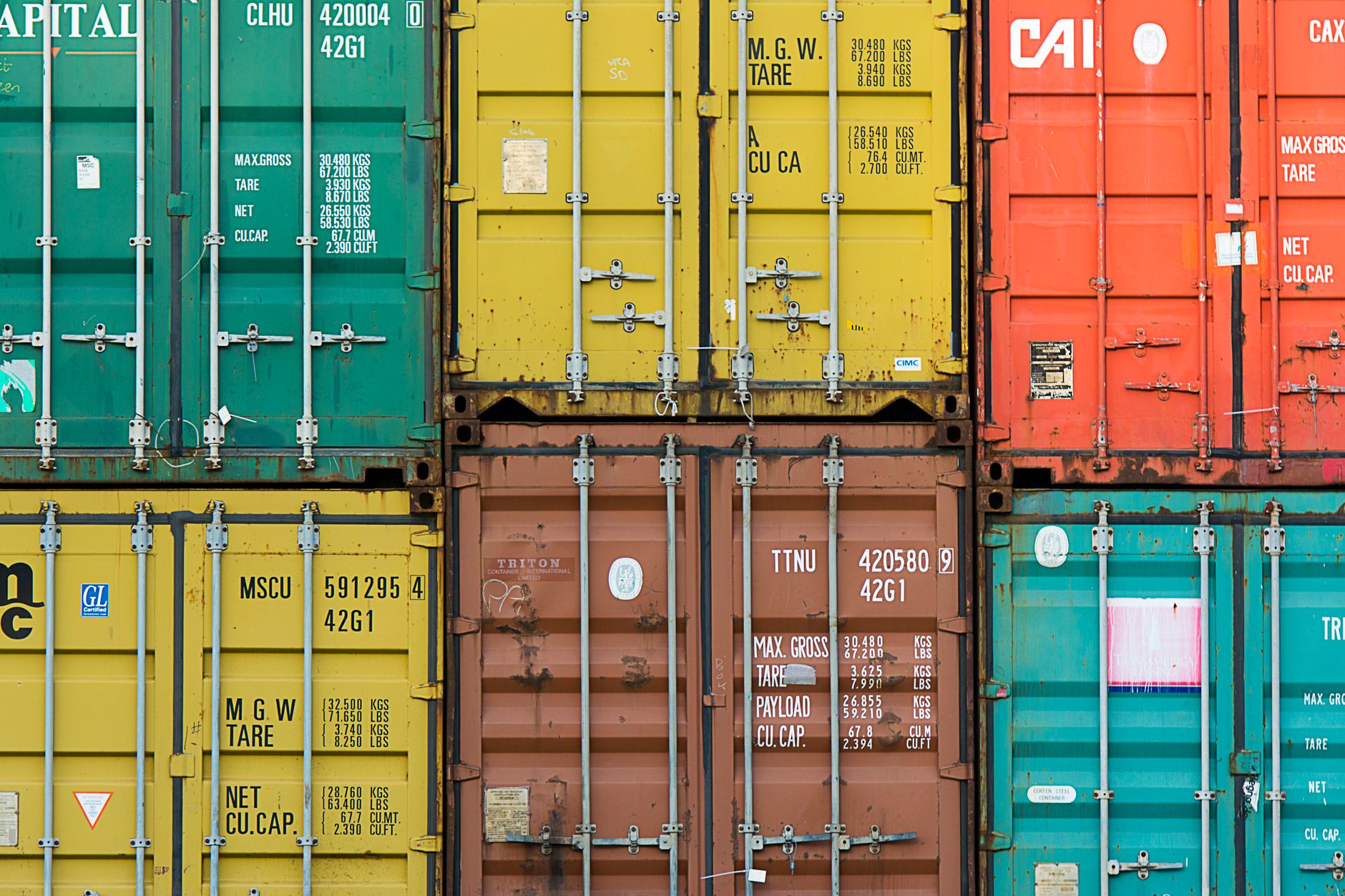
Freight is the other major exposure point. Ocean shipping rates respond to fuel costs with a lag, but they do respond. A container moving from a Southeast Asian port to a North American or European destination carries a fuel surcharge that carriers adjust regularly. When oil moves sharply, those surcharges move with it – sometimes within weeks – leaving brands with purchase orders already placed and logistics contracts already signed holding the difference.
Brands Caught Between Margins and Sticker Shock
Consumers are already sensitive to price. Footwear saw several rounds of increases between 2021 and 2023 as pandemic-era supply chain disruptions, port congestion, and raw material shortages pushed costs higher across the board. Those increases were largely accepted in the market because demand was strong and inventory was constrained. The current environment is different – shoppers are more selective, promotional activity has increased across mid-tier retail, and the appetite for paying more for the same shoe is lower than it was three years ago.
That puts brands in a genuinely difficult spot. Raising prices risks volume. Holding prices while costs rise means watching gross margins compress at a moment when investors and analysts are already scrutinizing profitability closely. Performance-focused brands with strong retail partnerships may have slightly more room to maneuver, given that their consumers are often less price-sensitive than the broader market, but even that buffer has limits.
Where the Price Pressure Goes Next
The sourcing geography of footwear production doesn’t help. Most major brands manufacture the majority of their volume in Southeast Asia – Vietnam, Indonesia, Cambodia, Bangladesh – regions where labor costs remain the primary reason for the location, but where the logistics tail back to Western markets is long and fuel-intensive. A factory in Ho Chi Minh City producing sneakers for a U.S. retailer involves ocean freight, domestic trucking on both ends, and likely some air freight for replenishment or new launch product. Each of those legs carries an oil price exposure.
Nearshoring, the idea of moving production closer to end markets to reduce freight dependence, has been discussed in the industry for years. The economics have never fully supported a large-scale shift – labor cost differentials between Southeast Asia and Mexico or Eastern Europe remain wide enough to offset most freight savings under normal oil price conditions. Under elevated freight conditions, the math gets closer, but factory infrastructure, skilled labor availability, and material sourcing networks in nearshore locations still lag what exists in established Asian manufacturing hubs by years, if not decades.

Synthetic material substitution is another lever brands are examining – moving toward materials with lower petroleum content, or toward bio-based alternatives where performance requirements allow. The challenge is that many of those alternatives carry their own cost premiums, particularly at the volume scales that large footwear brands require. Sustainable material sourcing, under these conditions, becomes not just an environmental consideration but a cost hedging strategy.
What the industry is left with is a set of options that each carry their own tradeoffs: raise prices and risk losing volume, hold prices and compress margins, shift sourcing and absorb transition costs, or reformulate materials and pay premiums on alternatives. Some brands will do all four simultaneously, calibrating the mix by product tier and market. The consumer standing in front of a wall of sneakers next season may not know which levers got pulled – but the price tag will tell part of the story.