




Where Appliances Disappear Into the Garden
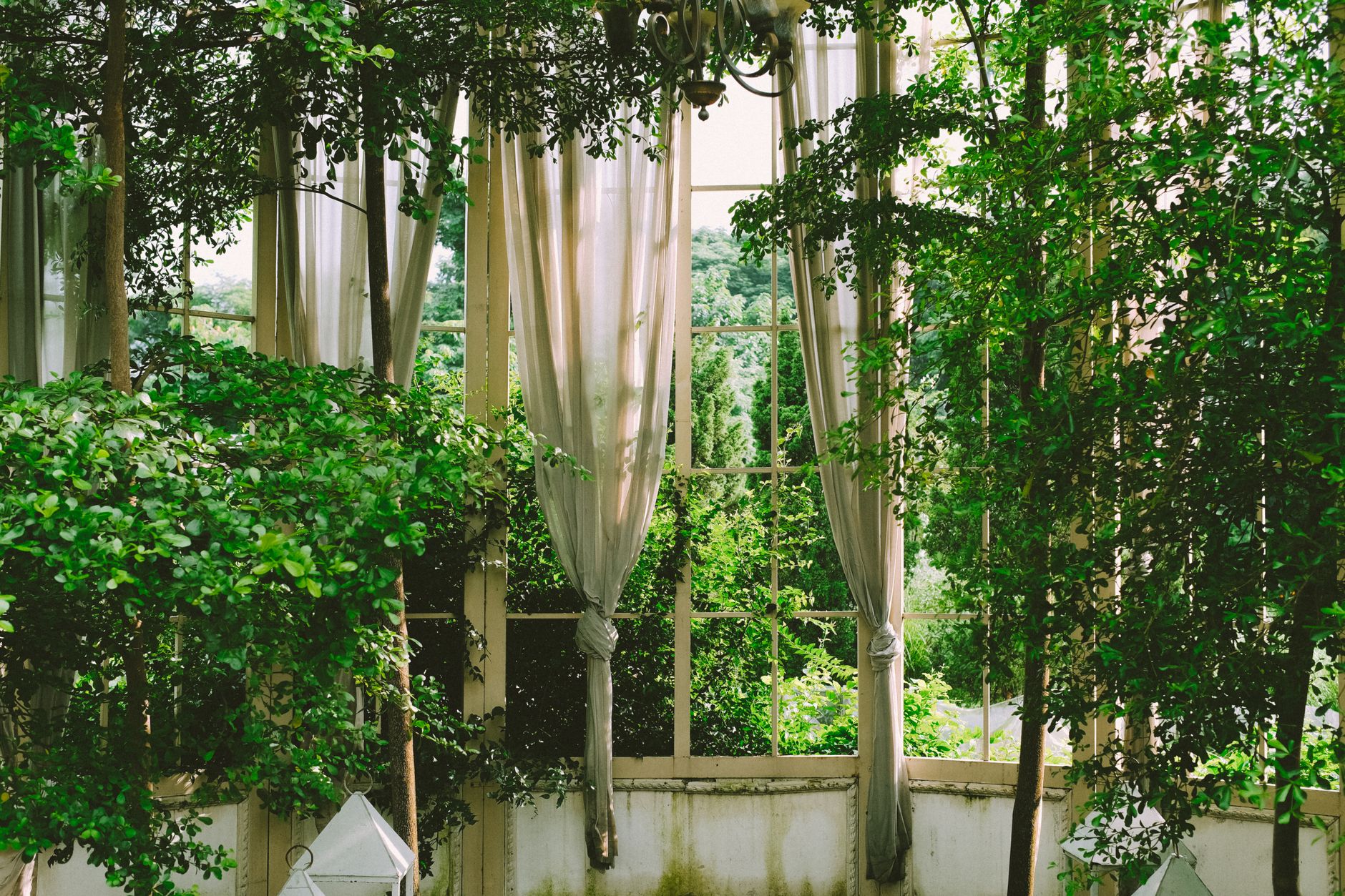
Miele turned an Art Basel installation into something far more provocative than a product showcase – a fully immersive botanical environment designed by Tiffany Howell and Asher Young, where the kitchen ceased to be a room and became a living, breathing atmosphere.
The Collaboration That Grew It
Tiffany Howell and Asher Young arrived at this project from different creative disciplines, but their shared instinct was the same: resist the sterile. The result was a space that refused the clean-line minimalism typically associated with high-end appliance brands. Instead, plant life crowded every surface, texture competed with texture, and the air itself was part of the design brief.
Miele, the German luxury appliance manufacturer, has long positioned its products at the intersection of engineering and domestic aspiration. At Art Basel – one of the most commercially serious art fairs in the world, drawing collectors, curators, and cultural tastemakers to Miami Beach each December – the brand chose to make its statement not through specifications or stainless steel, but through sensation. The kitchen was not demonstrated. It was staged.
Howell and Young treated the installation as a sensory landscape rather than a showroom. Botanical elements were not decorative additions placed around Miele equipment – they were structural choices. The untamed quality of the plant life was deliberate, a direct counterpoint to the precision engineering the brand represents. That tension was the point. Technology and wilderness, occupying the same square footage, neither apologizing for the other.
What made the collaboration work was its refusal to resolve that tension neatly. The lushness did not soften the machines. The machines did not modernize the garden. Both held their ground, and visitors moved between competing visual languages without being handed a thesis statement. That restraint – editorial in the truest sense – is what elevated this beyond a typical brand activation.
Fashion’s Long Relationship With the Domestic Uncanny
The language Howell and Young chose – botanical romance, immersive atmosphere, the collision of nature and manufactured precision – has been circulating through fashion for several seasons now. Designers have been pulling the garden indoors, sending collections down runways staged among moss walls and hanging vines, dressing models in fabrics that read as petals or bark. The Miele installation at Art Basel lands squarely inside that cultural moment, even if it arrives through a kitchen rather than a collection.
There is something worth noting about how cutting-edge technology gets domesticated – made emotionally accessible – through aesthetic framing. Miele’s products carry serious price points and serious engineering credentials. By placing them inside a lush, almost disorienting botanical environment, the brand borrowed the emotional register of high fashion: the idea that an object’s context shapes its meaning as much as the object itself. A refrigerator surrounded by trailing ferns reads differently than a refrigerator in a white showroom. The feeling is different. The desire is different.
Howell’s design sensibility has consistently orbited this territory – the domestic made strange, the familiar made beautiful by being slightly displaced. Young’s contributions brought an artistic edge that kept the installation from tipping into lifestyle marketing. Together, they constructed something that asked to be felt before it was understood, which is precisely the ambition of the best fashion installations as well. You enter, the environment acts on you, and the analysis comes later.
Art Basel as a venue matters enormously here. The fair draws an audience already conditioned to read installations critically, to consider what a space is arguing rather than simply what it contains. Placing a Miele kitchen inside that context is a declaration of cultural ambition – the brand is not asking to be evaluated against other appliance brands. It is asking to be evaluated against art. That is a significant wager, and the botanical framing gave it enough visual and intellectual weight to sustain the comparison.
The immersive quality of the space – the fact that visitors did not simply observe it but moved through it and experienced it physically – connects directly to how luxury fashion has been rethinking its own events. The static presentation has given way to the environment that acts on the body. Scent, sound, texture, temperature: these are the tools of the contemporary luxury experience, whether the product being sold is a coat or a dishwasher. Miele, with Howell and Young, deployed all of them.
What Gets Left Behind When the Fair Closes
Installations like this one are, by design, temporary. Art Basel Miami Beach ends, the botanical elements are dismantled, and the Miele equipment returns to whatever comes next. The experience exists in photographs, in the memories of whoever walked through it, and in the brand’s expanding cultural positioning – a record that is harder to quantify than sales figures but arguably just as important at this level of the market.
Howell and Young built something that was explicitly not meant to last. And yet the question it raised – whether a kitchen can generate the same emotional response as a work of art – does not close when the doors do. Miele spent its Art Basel moment insisting the answer is yes. Whether that argument holds when the plants are gone and the machines are back in a catalog is the problem every luxury brand eventually faces: does the feeling survive the context?