


Art Meets a Charged National Mall
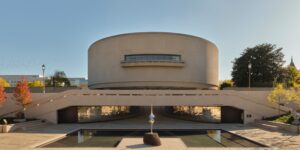
The Smithsonian Institution’s Hirshhorn Museum and Sculpture Garden has unveiled its newly transformed outdoor gallery in Washington, D.C., stepping into public view at a moment when the National Mall itself has become contested ground – a physical stage for ongoing arguments about art, history, and what America chooses to commemorate.
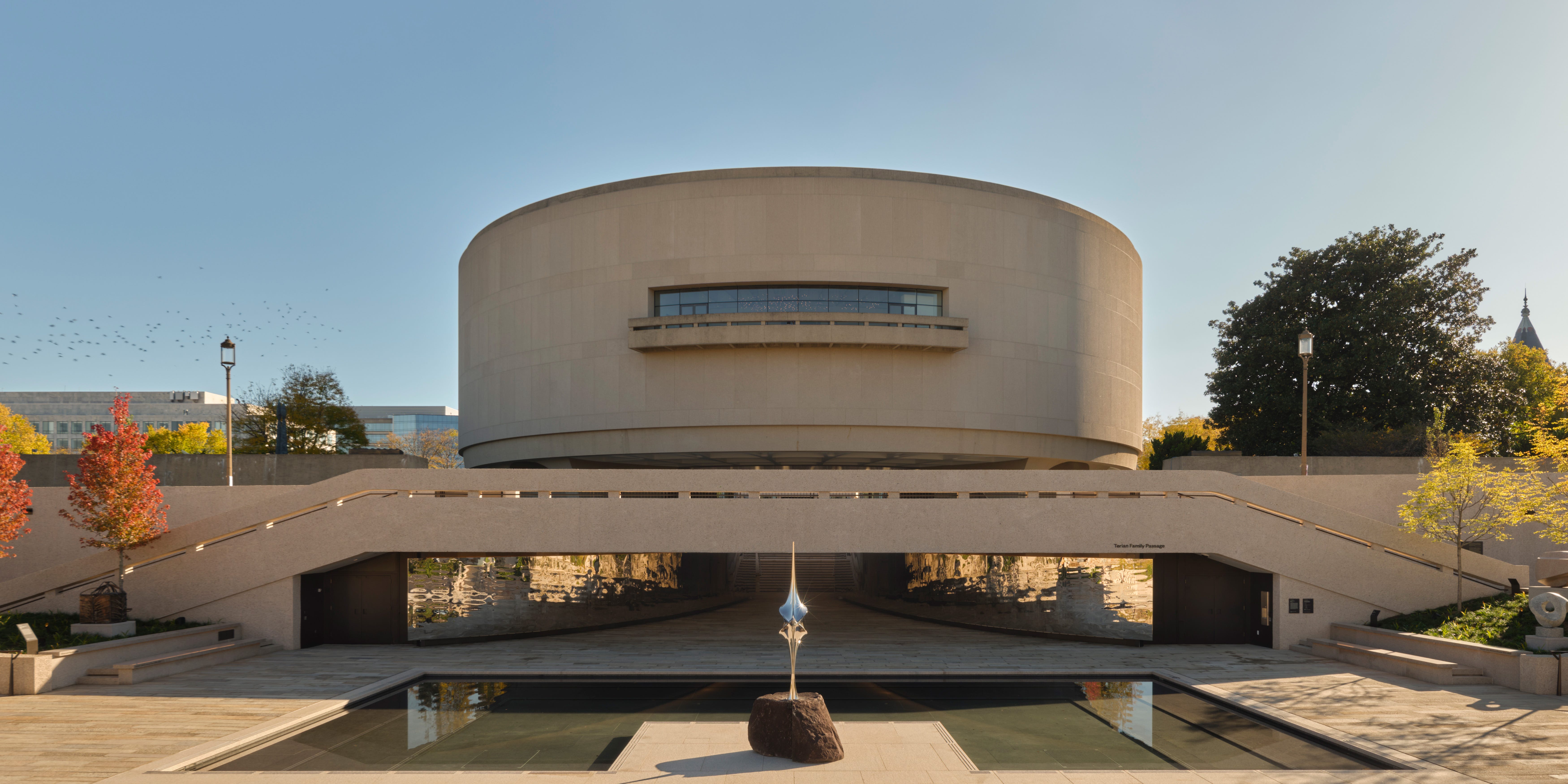
A Garden Rebuilt While the Debate Raged Outside Its Walls
The Hirshhorn’s sculpture garden didn’t just receive a refresh – it was fundamentally reimagined. The Smithsonian institution, which governs the museum, oversaw the transformation of what had long been one of Washington’s quieter cultural destinations into a space designed to hold larger ambitions. The outdoor gallery sits along the National Mall, which means its audience is never purely an art crowd. Tourists, school groups, protestors, and policy workers all pass through the same corridor of national meaning.
That geography matters more now than it might have a decade ago. The National Mall has absorbed years of competing visions of American identity – monuments debated, statues removed, new memorials proposed and blocked. The sculpture garden opens inside all of that, not separate from it. Whatever the curators intended in selecting works and arranging the space, the broader context does its own editorial work on everything installed there.
Fashion has long understood this dynamic: that the setting of a thing – a show staged in a church, a campaign shot in a government building – changes how the object inside it reads. The Hirshhorn’s garden operates on the same principle. Sculpture placed within sight of federal architecture, on land administered by the U.S. government, carries a different weight than the same work in a private gallery or a neutral white room. The Smithsonian, as a national institution funded by Congress, is never entirely free from the politics that fund it.
The reopening arrives while arguments about public art, institutional identity, and whose history gets space on federal land have moved well beyond academic circles. Those conversations are active, visible, and unresolved – and the Hirshhorn’s new garden, whether it invites that reading or not, is now part of them.
What a Sculpture Garden Says Without Saying It
Outdoor sculpture spaces work differently from indoor museums. There are no controlled sight lines, no enforced sequence, no quiet that a building’s walls provide. A visitor moves through a garden on their own logic – drawn by scale, by color, by what’s in the path of where they were already walking. That freedom is also an argument: the works have to hold up without the authority that white walls and hushed rooms lend to anything hung inside them.
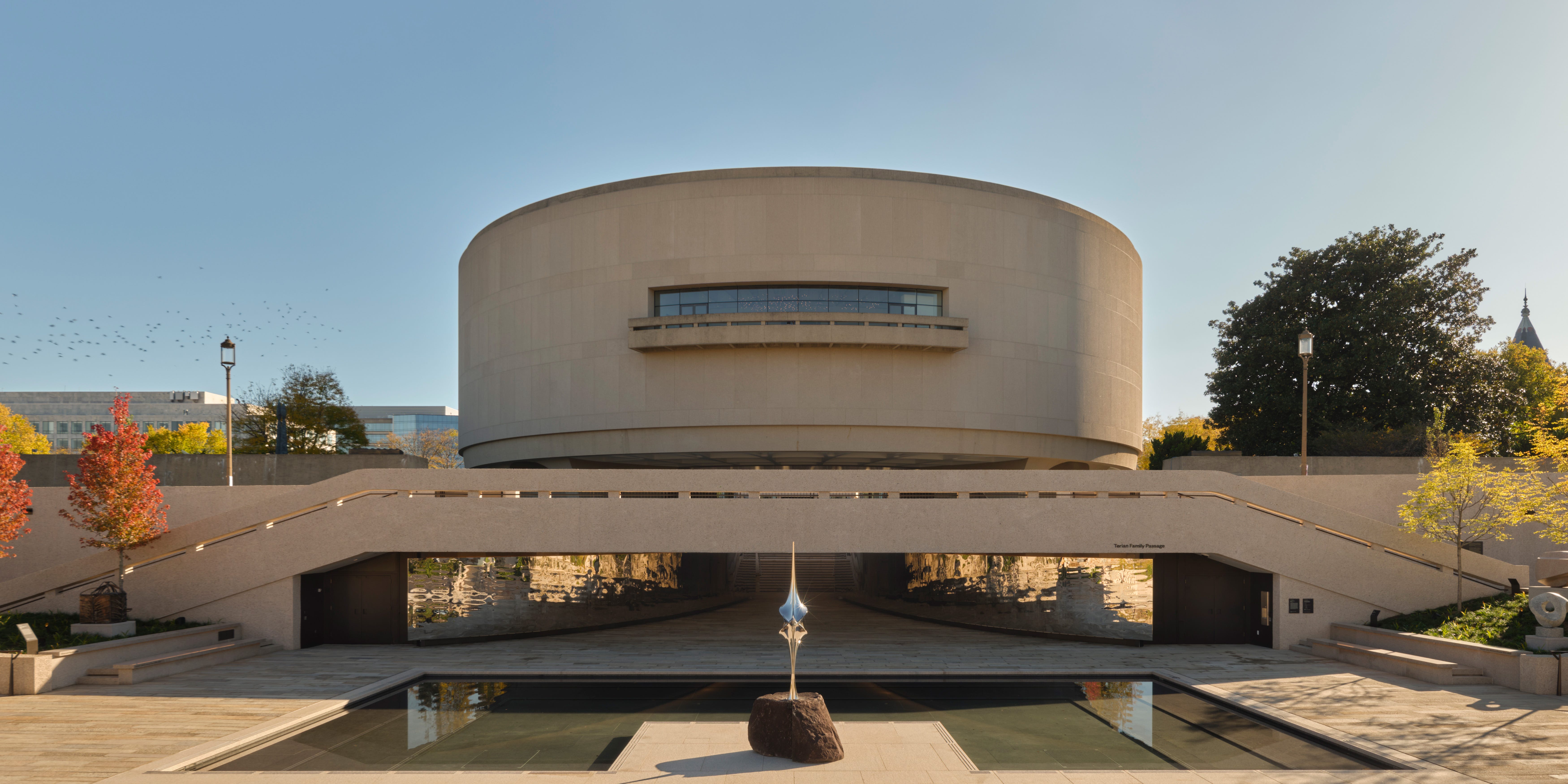
The Hirshhorn’s transformed garden is built for that test. The Smithsonian’s investment in reimagining the outdoor space reflects a broader institutional push to make the museum’s collection – one of the country’s most significant holdings of modern and contemporary art – more accessible and more physically integrated with its surroundings. An outdoor gallery on the National Mall is, by definition, public in a way that few art spaces manage to be.
That publicness is exactly where the tension lives. Contemporary art in a national institution invites the question of who selected it, what it represents, and whose vision of America it reflects. These are not abstract concerns. Federal arts funding and Smithsonian programming have both faced political pressure in recent years, and the debate over what belongs on the National Mall – in terms of monuments, memorials, and yes, sculpture gardens – has been loud and specific.
The aesthetic choices embedded in the garden’s redesign are also cultural choices. Scale, material, the names of artists given space – each decision is legible to different audiences in different ways. A work that reads as formally elegant to one visitor may land as politically pointed to another, and on the National Mall, both readings coexist in the same afternoon. The Hirshhorn doesn’t control that. No institution does.
Washington’s cultural spaces have historically tried to present themselves as above the fray – national rather than political, universal rather than partial. That position is harder to hold now. The city’s recent years have made it more difficult for any institution sitting on federal land to claim pure neutrality, and the Hirshhorn’s reopened garden, arriving precisely when questions about national identity have nowhere to hide, will be read through that lens regardless of intention. What’s installed in the space will matter, but so will the fact that it exists at all – funded, protected, and endorsed by the Smithsonian at this particular moment.
The Mall as Mirror
The National Mall has always functioned as a kind of ongoing national argument conducted in stone and bronze and open grass. The Hirshhorn’s sculpture garden adds a contemporary chapter to that argument – one written in the materials and aesthetic languages of living artists rather than historical commemoration. Whether the garden offers respite from the surrounding debate or simply a new arena for it depends entirely on where a visitor is standing when they look.
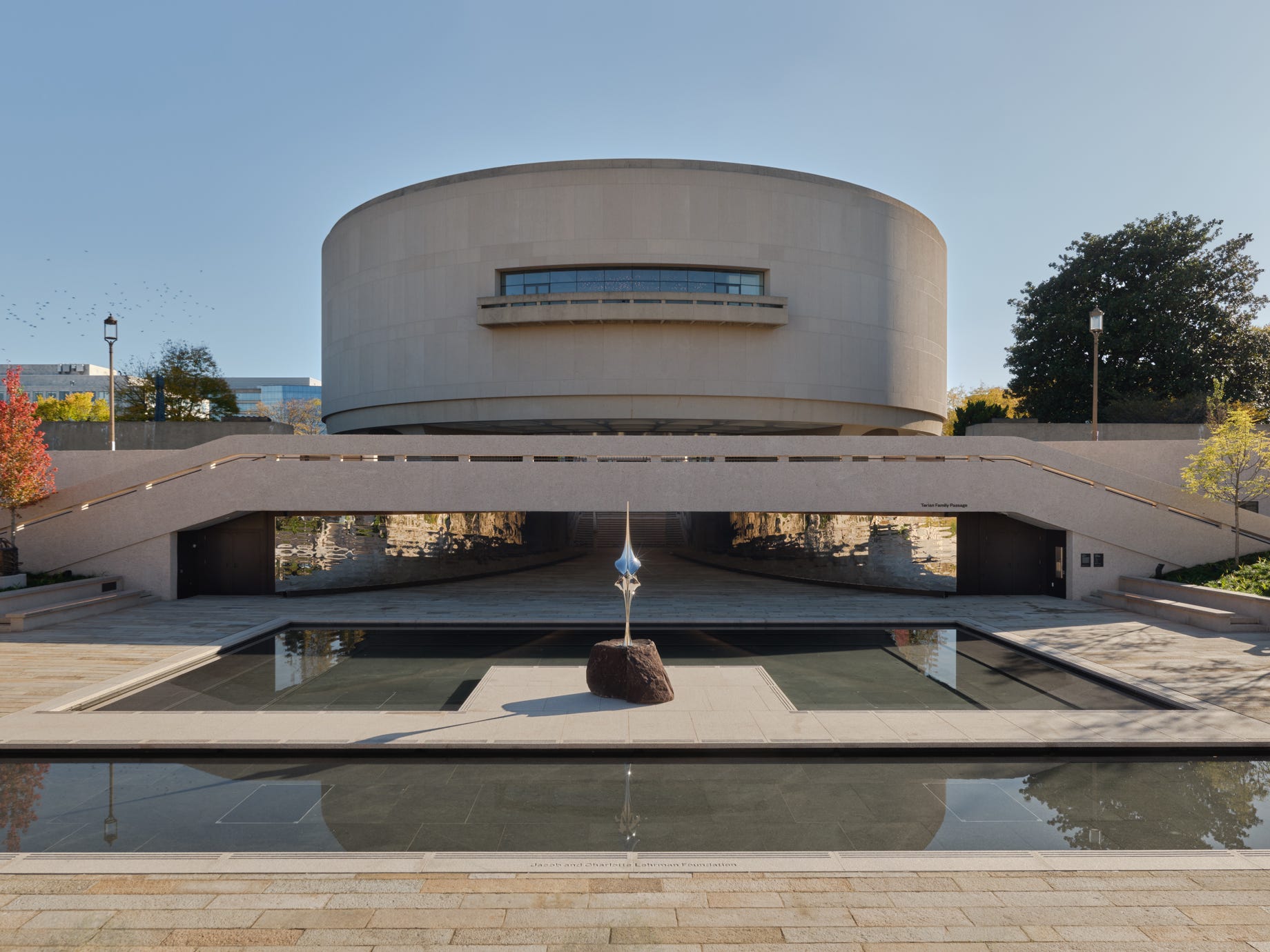
What remains fixed is the address. The Smithsonian Institution’s Hirshhorn Museum sits on the National Mall in Washington, D.C., and that location is not incidental – it is the entire condition of the work’s existence there. Every sculpture in the garden is, in some sense, making a case for its own right to occupy that ground. Right now, that case has to be made in front of an America that has not yet agreed on what the ground means.