



652 Days In, and the Ballot Box Becomes Personal
Since Donald Trump’s January 2025 inauguration, 652 days have passed – and for many American women, each one has been logged. Tariff confusion, immigration enforcement actions widely condemned as racially targeted, a war in Iran, gas prices in near-constant flux, rampant wildfires, and a string of court rulings that left communities reeling: the list doesn’t compress neatly into a news cycle. It just accumulates. For women who are also raising children, that accumulation hits differently – financially, logistically, emotionally.
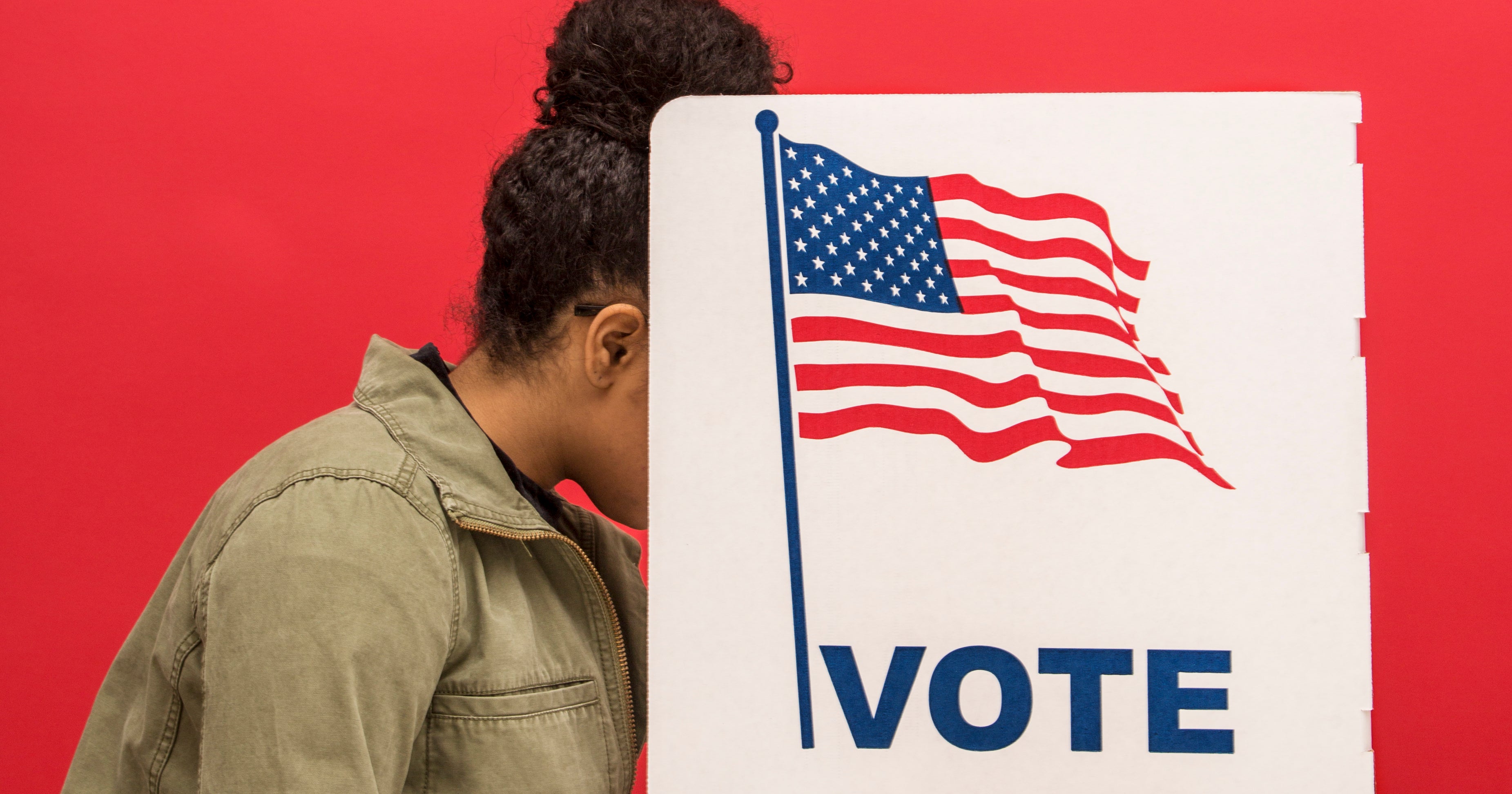
Now comes the collective exhale: midterm elections, with nearly $12 billion already spent by campaigns, PACs, and outside groups trying to shape what comes next. That number alone signals how much is riding on who actually walks into a voting booth – and women, as they have before, are being watched as the deciding variable.
The 2018 Playbook, and What It Actually Proved
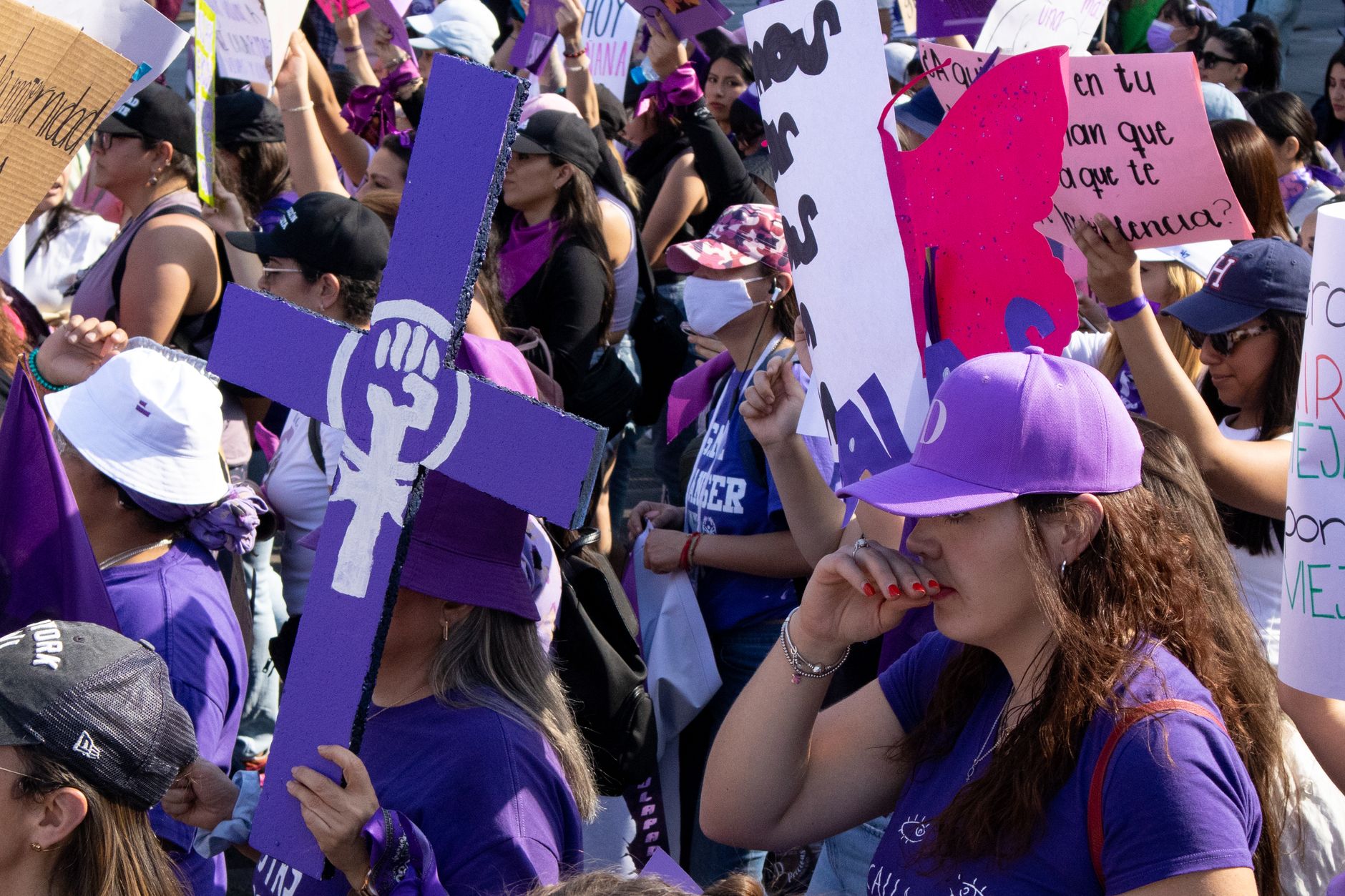
The last time midterms arrived under a Trump presidency, women didn’t just organize – they ran. More than 90 women were elected to the U.S. House of Representatives in that cycle, a record at the time, arriving on the momentum of the January 2017 Women’s March held just a year and a half earlier. The result was a Democratic majority that handed Trump his first real legislative wall.
But the history of women as a monolithic political force is more complicated than a single wave election. The oft-cited statistic that 52 percent of white women voted for Donald Trump in 2016 became shorthand for internal contradiction – the woman voting against her own interests. Those numbers have since been revised; more careful analysis put the figure closer to 47 percent, still placing white women more in Trump’s column than Hillary Clinton’s. The revision matters, but it doesn’t erase the underlying reality: women are not a uniform bloc, and they never have been.
What that 2018 wave did prove is that sustained anger, channeled through candidate recruitment and voter turnout infrastructure, produces measurable results. The question now is whether that infrastructure held together through two more years of political whiplash – or whether fatigue has quietly hollowed it out. Organizing takes money, coordination, and the belief that effort connects to outcome, all three of which get harder to sustain when nothing feels stable.
The lifestyle dimension of this is real and underreported. Women who are primary household managers – tracking grocery prices, school calendars, healthcare costs, and community safety – are absorbing policy consequences in granular, daily ways that don’t always register in polling questions. When gas prices spike, it shows up in a weekly budget before it shows up in an approval rating. When immigration enforcement destabilizes a neighborhood, it reshapes school enrollment, local business, childcare networks. These aren’t abstract policy debates for a lot of women; they’re Tuesday.
The Haley Stevens Problem, and What It Signals
Not every story heading into this cycle is about Republican opposition. Democratic congresswoman Haley Stevens became the center of a party scandal after choosing to endorse a Republican candidate for the Michigan Senate seat rather than support progressive Democrat Abdul el-Sayed. The move effectively ended Stevens’ political viability within her party and reignited a long-running argument about whether certain centrist Democrats prioritize personal grievances over coalition strategy.
The Stevens situation matters beyond Michigan because it illustrates the fault lines that could limit Democratic gains even when women show up in strong numbers. Turnout is one variable. Candidate alignment, party unity, and the willingness to hold the coalition together – especially when internal politics get messy – are entirely different variables. A voter energized enough to show up can still find a fractured party waiting on the other side of the ballot.
Women on the Ballot, Not Just Behind It
What’s different about this midterm cycle is the depth of women’s representation on ballots themselves, not just in the electorate. Three women running for governor are positioned to make history, arriving at a moment when gubernatorial races carry unusually high stakes – state-level power over redistricting, reproductive rights policy, and emergency response has never been more directly consequential to daily life.
Women from historically underrepresented communities are running in numbers that reflect a generational shift in who considers candidacy a realistic option. That shift didn’t happen by accident – it was built through years of candidate training pipelines, donor networks, and mentorship structures that treat political participation as a skill set, not an inherited birthright.
The energy is measurable. Women are showing up to vote in higher numbers than their male counterparts, a trend that has held across multiple election cycles and shows no sign of reversing. The more pointed question isn’t whether women will vote – it’s whether the candidates and party structures waiting to receive that energy are organized enough to convert it into durable power, or whether internal dysfunction will blunt what the electorate is trying to deliver.
Haley Stevens is already a cautionary tale. The governors’ races are still being written. And somewhere in Michigan, Abdul el-Sayed is watching to see which version of the Democratic Party shows up to count the results.