




The Wand Problem Nobody Talks About
Mascara sits in almost every makeup bag in the world, yet it remains the product most people quietly misuse. The brush is too loaded, the angle is wrong, the coat goes on before the last one dries, and suddenly what should take thirty seconds has turned into a raccoon situation requiring a cotton swab and a full restart.
Getting mascara right is not about finding a magic formula or a $40 wand. It is about understanding a handful of physical realities – how lashes grow, how product builds, and what happens when you rush. Once those things click, the whole process changes.
Start at the Root, Not the Tip
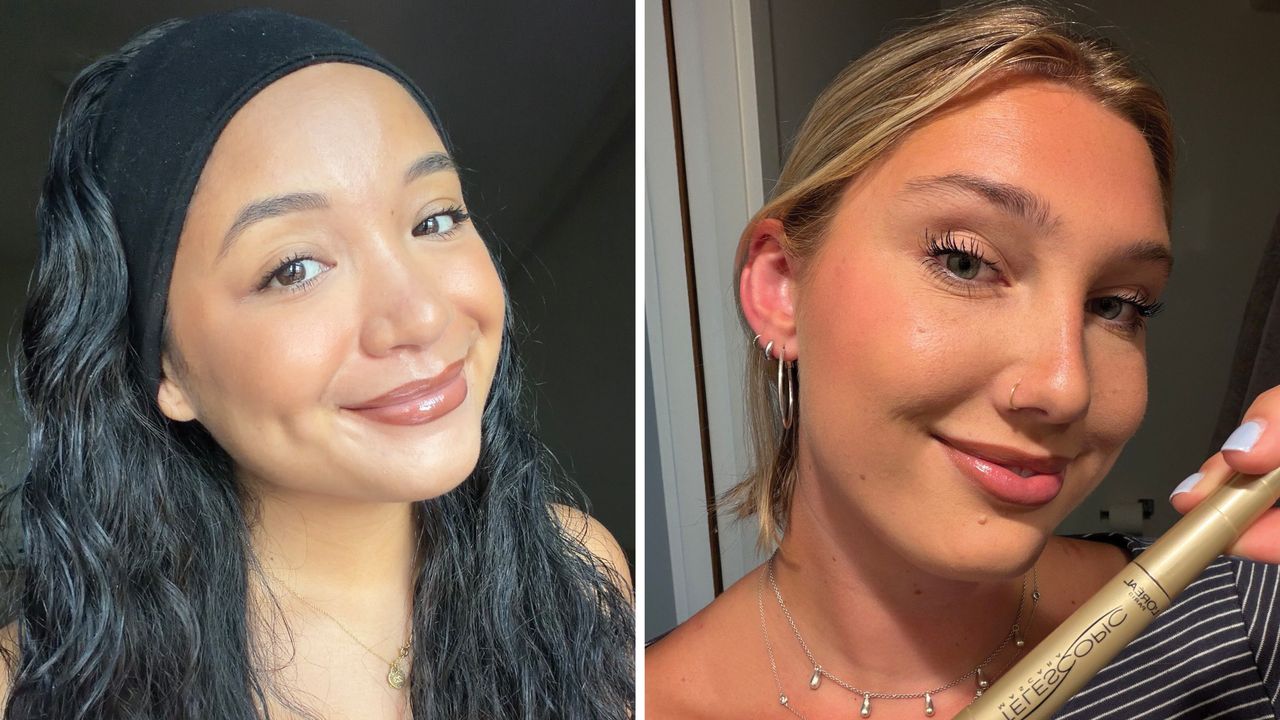
The single most important shift in mascara technique is placement of the first stroke. Most people drag the wand from the middle of the lash toward the end, which delivers product where lashes are already visible and skips the base entirely. Starting at the root – pressing the wand directly into where lash meets lid – lifts the lash from its origin and creates the appearance of density before you’ve even moved the brush.
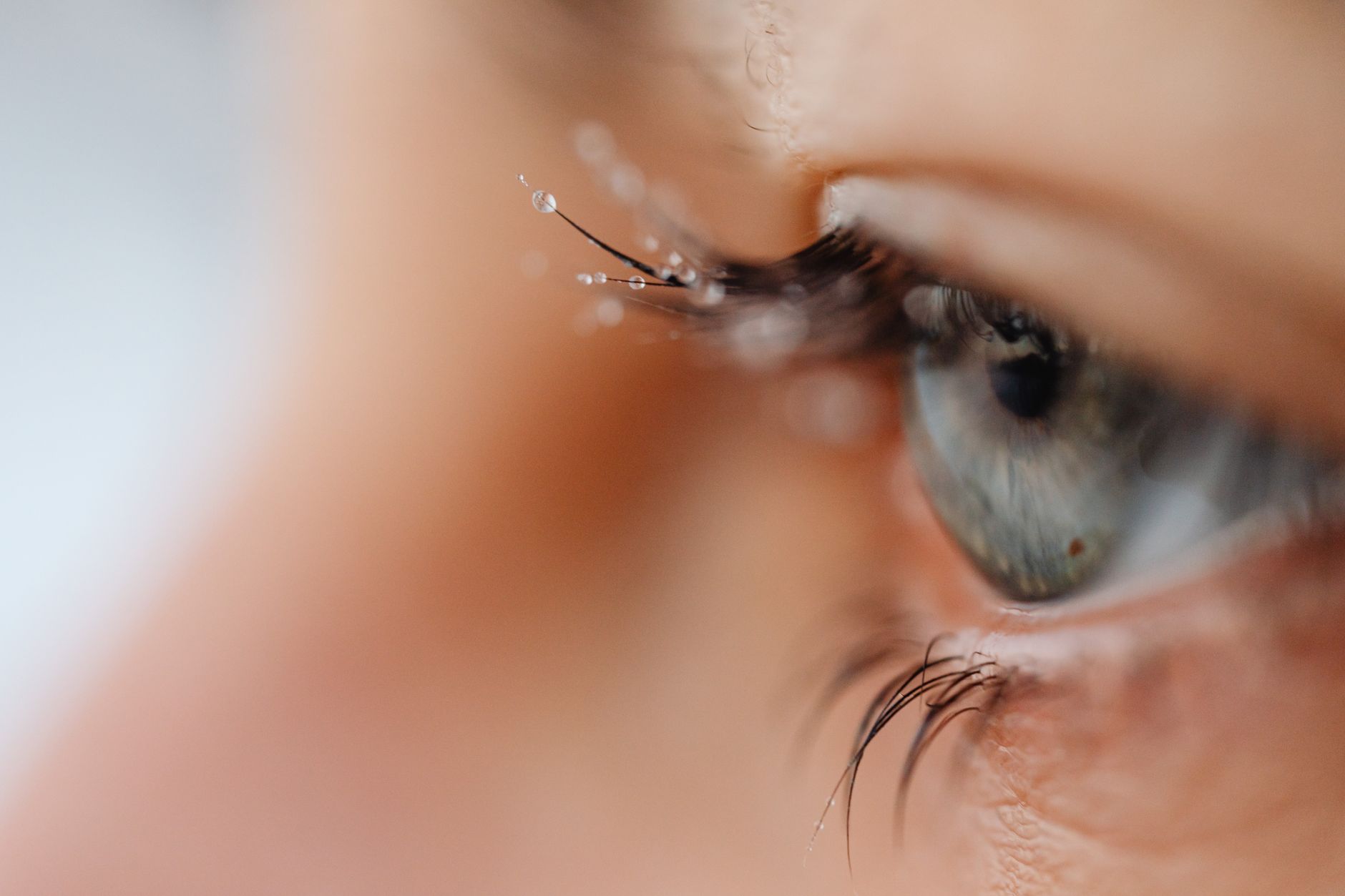
From the root, the motion matters. A gentle wiggle side to side while pulling upward works the bristles between individual lashes rather than pressing them together. Lashes that clump do so because product is applied in a single smooth drag with no lateral movement. The wiggle separates, defines, and deposits color more evenly across the full length. It takes an extra two seconds per eye and produces a noticeably different result.
Lower lashes are where many people either skip entirely or overdo it. The wand is usually too large for the delicate lower fringe, and a full swipe delivers far more product than those short lashes can hold. Holding the wand vertically and using just the tip – or switching to a smaller, spoolie-style brush – keeps lower lashes defined without dragging pigment onto the under-eye skin. One coat, light pressure, and you’re done.
How Many Coats Is Actually Too Many
Two coats is the functional ceiling for most mascaras. The first coat deposits pigment and sets the shape. The second coat, applied before the first is fully dry, adds volume and length without yet hitting the point of flaking or stiffness. A third coat applied wet onto wet product is where things go wrong – the weight pulls lashes down, the formula starts to ball, and by afternoon the situation looks worse than if you’d stopped at one. If volume is the goal, the better strategy is letting the first coat dry completely, then adding a second. Patience between coats does more than a fifth pass ever could.
The formula in the tube also degrades faster than most people account for. Mascara has a three-month shelf life once opened – not because of an arbitrary rule, but because the repeated exposure to air dries out the formula and introduces bacteria near the eye. A mascara that’s pumping air into the tube to get the last drops out is not just less effective; it’s applying a compromised product directly to a mucous membrane. Replacing it on schedule is one of the more practical eye health habits a person can build.
Fixing Mistakes Without Ruining Everything Else
A smudge caught immediately – while the product is still wet – is actually easier to handle than most people assume. A dry cotton swab pressed lightly onto the mark lifts fresh mascara cleanly without dragging foundation or concealer underneath it. The instinct to wipe or rub a fresh smudge pushes pigment deeper into skin texture and creates a larger problem. Press, don’t wipe.
For smudges that have already dried, a clean spoolie or a stiff but soft eyeshadow brush can flake away the dried product without disturbing the skin beneath. If there’s concealer under the eye, a single dab of fresh product after clearing the smudge is usually enough to restore it. The process takes less time than most people spend mentally sighing about the smudge before doing anything.
There is also the issue of the mascara wand itself carrying too much product out of the tube. The solution is not pumping the wand in and out to load more formula – that motion pushes air in and dries the product out faster – but rather a slow, rotating pull on the way out, which loads the brush evenly without excess. Wiping one side of the wand against the inside lip of the tube before applying removes the surplus that would otherwise end up as a blob at the tip of a lash.
Curl before, never after. A lash curler used on lashes already coated in mascara is working against dried, stiffened fibers, which creates breakage rather than lift. The curler belongs in the routine before any product touches the lashes – ideally held at the root for five to ten seconds, then at the mid-lash for another few seconds. For lashes that lose their curl quickly, a thin coat of mascara applied, allowed to dry completely, and then followed by the curler can extend hold. The heat from fingertip pressure on the curler for a few seconds before use also helps the curl set more firmly.
What the Brush Shape Actually Does
The wand design in a mascara tube is not decorative. Curved brushes are built to follow the natural arc of the lash line, which makes them easier to control on the outer corners where lashes angle differently from those in the center. Straight brushes give more precision and work well for lower lashes or for people whose technique is already consistent. Fluffy, large-bristle brushes deposit more product in fewer strokes and suit formulas designed for volume. Small, dense combs separate and define but require more passes to build coverage. Knowing what a brush is engineered to do – rather than assuming more bristles means better results – removes a lot of the guesswork from the makeup aisle.
Fiber-tipped wands add synthetic fibers to the lash as the formula goes on, extending visible length beyond the natural tip. They work, but they require an even lighter hand than standard brushes because fiber buildup can look textured and unnatural if the coat is too heavy. One clean pass is usually more than enough.
If you’ve been relying on the same mascara for years and wondering why your lashes never look quite the way they do on someone else, the formula may simply not match what your lashes need. Fine lashes built up with a volumizing formula will look clumped before they look full. Straight lashes treated with a lengthening-only mascara will still point forward by noon. Matching the formula to the actual behavior of your lashes – not the name on the packaging – is where the real difference gets made. You can check whether a mascara has won independent testing recognition by looking at awards like the Allure Best of Beauty Awards, which evaluate formulas across categories and lash types rather than marketing claims.