




A Prescription Trend Walks Into the Operating Room
The surge in GLP-1 medication use – the class of drugs that includes semaglutide-based treatments – is no longer just a conversation happening in endocrinology offices. It has moved, quietly and with real force, into plastic surgery consultations across the country.
What Dr. Lisa Cassileth Is Actually Seeing
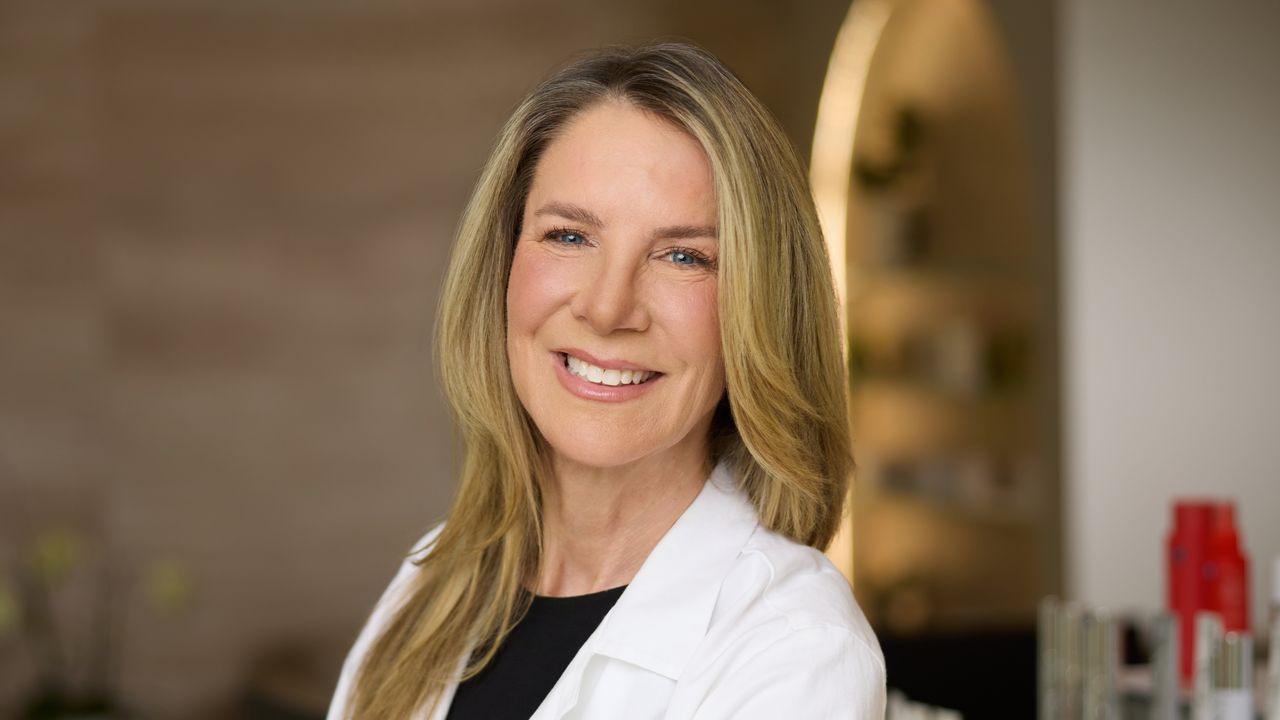
Dr. Lisa Cassileth, a plastic surgeon whose work has made her a prominent voice in aesthetic medicine, recently sat down for Allure’s Perspectives podcast to talk through exactly how her practice is changing. The requests coming through her door look different now than they did even a few years ago – and GLP-1 prescriptions are a major reason why.
Rapid, significant weight loss – the kind GLP-1 medications can produce – doesn’t leave the body unchanged below the surface. Skin doesn’t always contract at the pace that body mass decreases. The result, for many patients, is loose or excess skin in places that diet and exercise, or even the medications themselves, cannot address. That physical reality is showing up directly in what patients ask Cassileth to fix.
The consultations are shifting from purely elective contouring – the long-standing bread and butter of cosmetic surgery – toward procedures that address what patients describe as the unfinished work of their weight loss. Body lifts, arm procedures, and abdominal work are among the requests that have grown as more people reach their GLP-1 weight loss goals and then look in the mirror at what’s left behind.
Cassileth’s discussion on the podcast doesn’t frame this as a problem so much as a recalibration. Plastic surgery has always followed the body’s changes – pregnancy, aging, injury – and GLP-1 medications are producing a new category of body change at a scale the field hasn’t encountered before. Her practice is adapting to meet it.
Technology Is Pulling in the Same Direction
GLP-1 medications aren’t the only force reshaping Cassileth’s consultations. She also addressed how broader trends in technology use are influencing what patients want when they sit across from her. This is a dynamic the aesthetics industry has been tracking since the early days of video conferencing normalization – people seeing their own faces more often, in more unflattering angles and lighting, and walking away with new concerns they hadn’t previously registered.
The connection between screen time, self-perception, and aesthetic requests is now well-documented enough that surgeons like Cassileth are factoring it into how they understand patient motivations. Someone who became hyperaware of their jawline during years of video calls occupies a different psychological starting point than a patient who came in having read about a procedure they’d always planned to get. Both are valid, but they require different conversations.
What makes Cassileth’s perspective on the Perspectives podcast worth attention is the directness with which she draws these lines. Medication trends and technology trends are not abstract forces hovering somewhere above the industry – they are showing up in specific requests, in specific consultations, changing the specific procedures she performs. The operating room is downstream of culture, always, and right now culture is moving fast.
There is also a timing dimension to the GLP-1 conversation that Cassileth’s platform illuminates. Patients on these medications often spend months or longer losing weight before they consider surgical options. That lag means plastic surgeons are, in a sense, receiving patients at a new life stage – post-medication, goal-weight-achieved, now looking at the physical aftermath. Managing that patient journey, from consultation through recovery, requires its own kind of expertise that sits adjacent to traditional cosmetic work.
The aesthetic medicine field is also watching how the GLP-1 boom affects non-surgical treatments. If patients are arriving with more significant skin laxity than, say, someone who lost a smaller amount of weight through lifestyle changes, then the lineup of injectables or skin-tightening devices that might have served them in another context may simply not be enough. Cassileth’s surgical practice is positioned at exactly the point where that inadequacy becomes apparent. Patients arrive having sometimes already tried non-invasive options, and surgery becomes the answer the other interventions couldn’t provide. The crossover between pharmaceutical weight loss and surgical finishing work is becoming one of the more consequential intersections in aesthetics right now – one that providers across the specialty spectrum are still figuring out how to navigate. How platforms shape beauty perception is already shifting in new ways, adding another layer to what patients bring into those conversations.
The Consultation Room as a Cultural Barometer
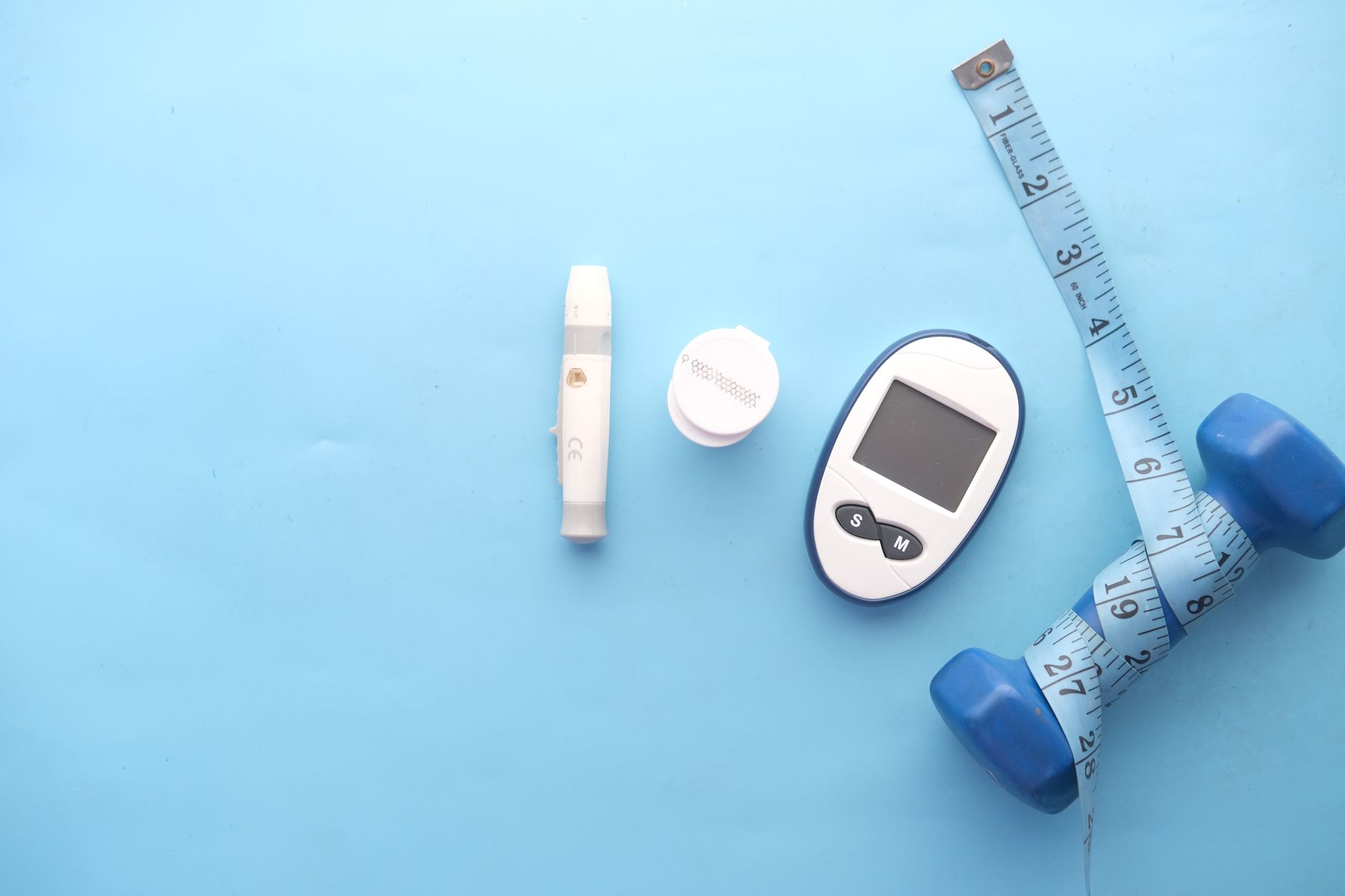
Allure’s Perspectives podcast, as a format, is built around practitioners speaking in their own words about what they’re witnessing professionally – and what Cassileth describes is a practice that can no longer be understood without reference to pharmaceutical trends. A plastic surgeon’s waiting room has always reflected something about what people believe bodies should look like, and who they believe can help them get there. What’s notable now is how quickly that reflection is changing, and how directly a medication category – one that wasn’t widely prescribed for weight loss until relatively recently – has managed to redirect patient demand at a volume that surgeons are actively discussing and planning around.
Cassileth is not the only surgeon making these observations, but her willingness to articulate them publicly, through Allure’s platform, puts a specific face and practice history on a shift that could otherwise feel statistical. These are real patients, real consultations, and real decisions about surgery. The question the field hasn’t fully answered yet is what the longer-term demand curve looks like – as GLP-1 adoption continues, does the volume of patients seeking surgical follow-up grow proportionally, or does it plateau as the initial wave of long-term users levels off?