




Beauty enthusiasts are discovering spicules, microscopic needle-like structures extracted from marine and plant sponges that promise to deliver professional-grade skin results at home. These tiny biological needles create controlled micro-injuries in the skin, triggering collagen and elastin production while enhancing the absorption of skincare ingredients.
The science behind spicule skincare reads like something from a dermatology textbook, yet the concept remains surprisingly straightforward.
Unlike synthetic alternatives, spicules work by penetrating the skin’s surface to stimulate natural repair processes, potentially reducing pore size, fading pigmentation and acne scars, and creating more even-textured skin. Research indicates these micro-injuries can boost the delivery of active ingredients like hyaluronic acid, peptides, and exosomes by up to 60 times their normal penetration rate.
Professional Treatments Lead Consumer Market
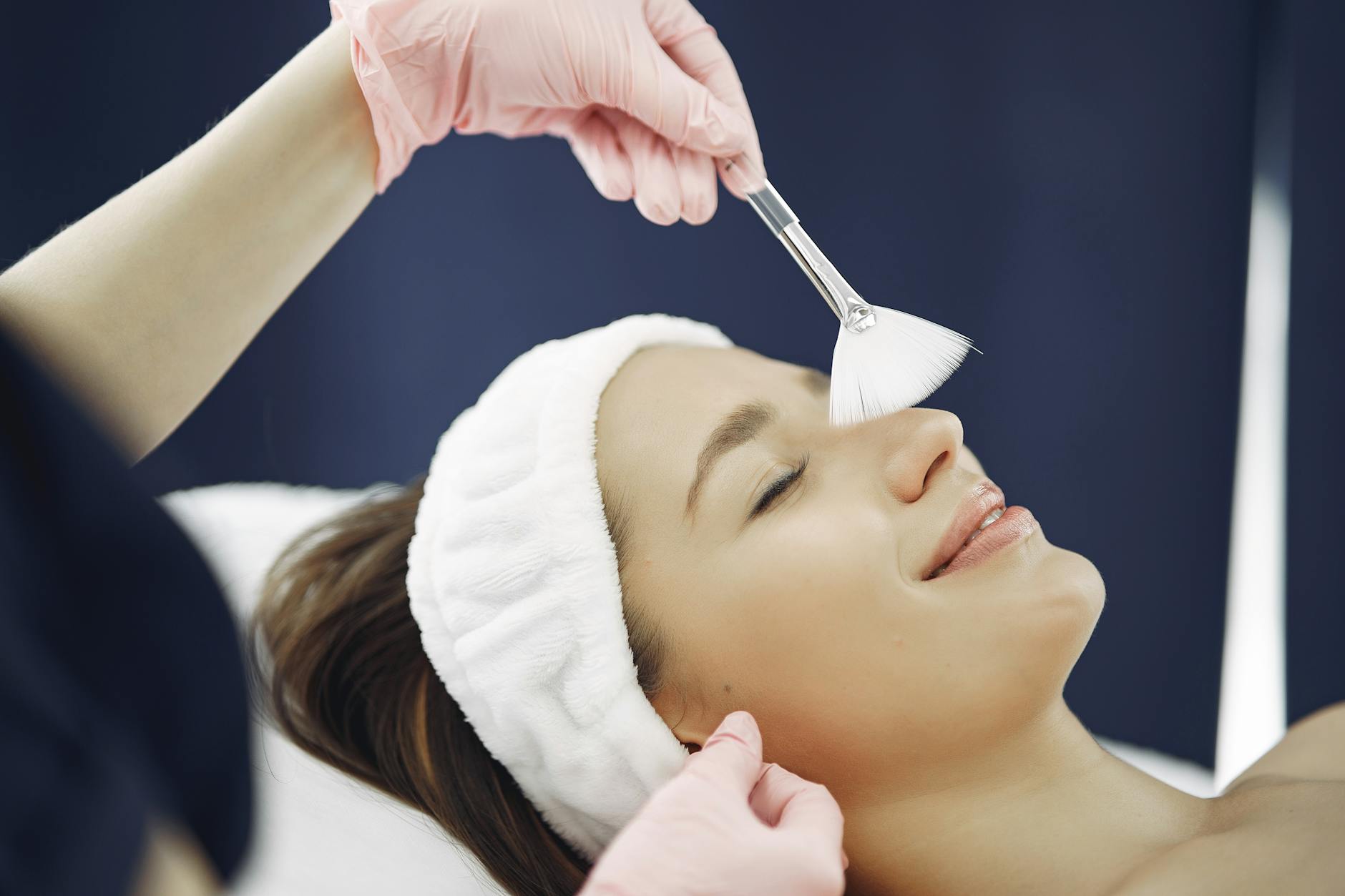
Dr. Brendan Khong, founder and medical director at Dr. BK Aesthetics Clinic, explains that professional spicule-based facial treatments have existed for years before entering the consumer market. K-beauty clinics have utilized spicule technology for over a decade, while American clinics began offering similar treatments approximately five years ago. The professional applications typically involve deeper penetration and more concentrated spicule formulations than home-use products.
The treatment methodology differs significantly from traditional microneedling procedures. Professional microneedling uses metal needles that can penetrate deeper into the dermis, while spicules work primarily at the epidermis level. This shallower depth of penetration makes spicule treatments less invasive but potentially less dramatic in their immediate effects.
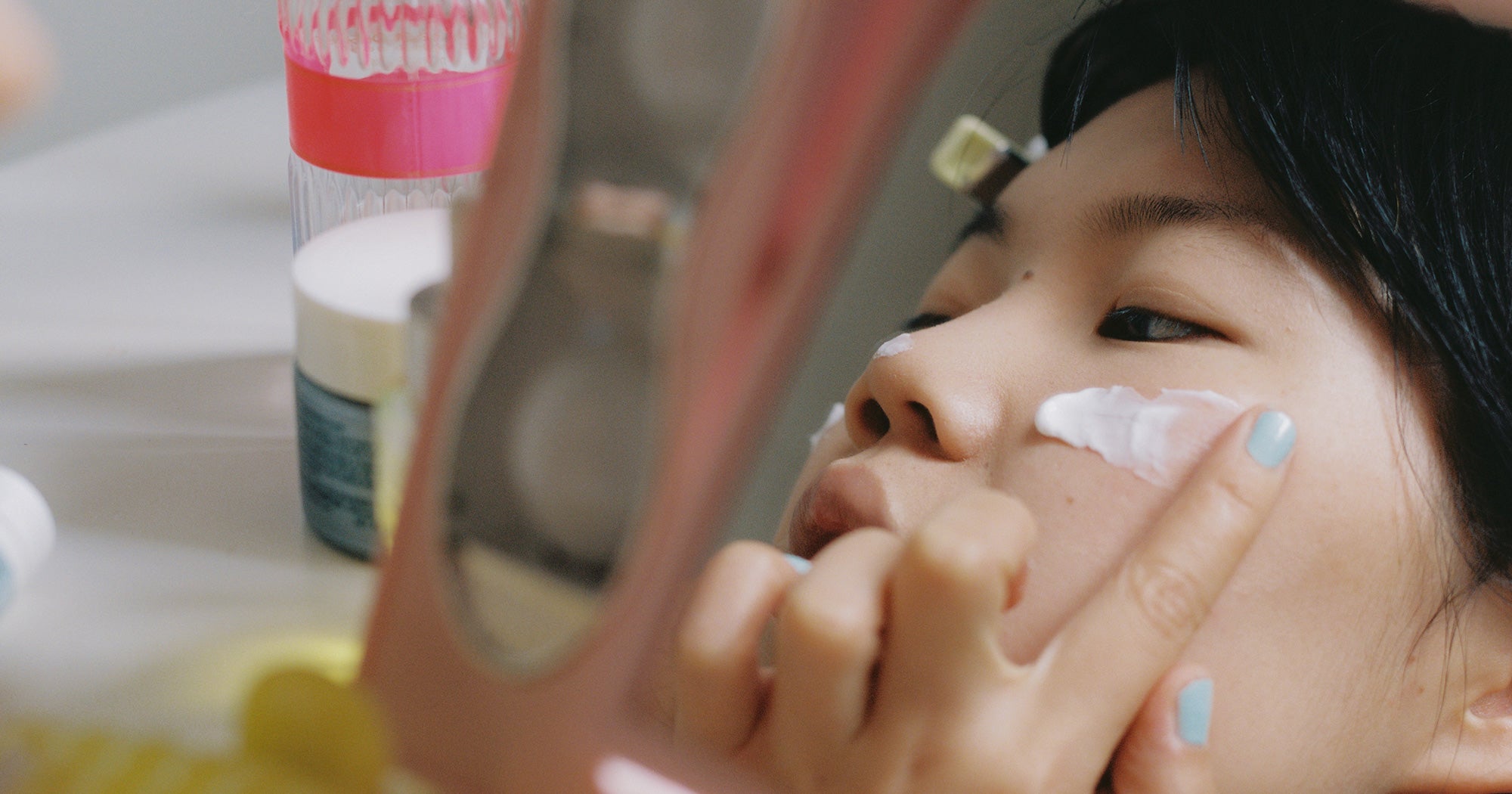
Home-use spicule products represent a compromise between accessibility and effectiveness. These formulations contain lower concentrations of spicules and are designed for regular use rather than the intensive, periodic treatments offered in professional settings. The trade-off allows consumers to maintain consistent skin stimulation without the downtime or cost associated with clinic visits.
Market Reality Versus Marketing Claims
The skincare industry’s tendency to oversell new ingredients applies to spicule technology as well. While the biological mechanism behind spicule action is scientifically sound, the dramatic transformations promised by some brands may exceed realistic expectations. The depth limitation of home-use spicule products means they cannot replicate the intensive collagen remodeling achieved through professional microneedling or laser treatments.
Consumer experiences with spicule skincare vary widely based on skin type, product quality, and application consistency. Some users report noticeable improvements in skin texture and radiance within weeks, while others find the effects subtle or temporary. The variability stems partly from the different sources and processing methods used to extract spicules, which can affect their potency and stability in skincare formulations.
Price points for spicule skincare products range from affordable drugstore options to luxury serums costing hundreds of dollars. The correlation between price and effectiveness remains unclear, as the concentration and quality of spicules can vary significantly across brands. Independent testing of these products is limited, making it difficult for consumers to evaluate comparative effectiveness before purchase.
The question of whether spicule skincare can truly replace professional microneedling depends entirely on individual expectations and skin concerns. For those seeking dramatic improvements in deep scarring or significant skin laxity, professional treatments remain the gold standard. However, for maintenance and gradual improvement, spicule products may offer a viable alternative that fits more easily into daily routines.