




Brides are ditching traditional exfoliation methods for surgical scalpels. The dermaplaning trend has transformed from a clinical procedure to an essential pre-wedding beauty ritual, with bridal parties booking sessions months in advance and makeup artists refusing to work without it.
The shift represents more than just another beauty fad. Professional makeup artists report that dermaplaning creates the smoothest possible canvas for wedding day looks, eliminating the tiny facial hairs and dead skin cells that can cause makeup to appear patchy or settle unevenly. Celebrity makeup artist Hung Vanngo, who has worked with stars like Selena Gomez and Anne Hathaway, credits dermaplaning with creating “poreless-looking skin” that photographs flawlessly under professional lighting.
The Rise of At-Home Dermaplaning Tools
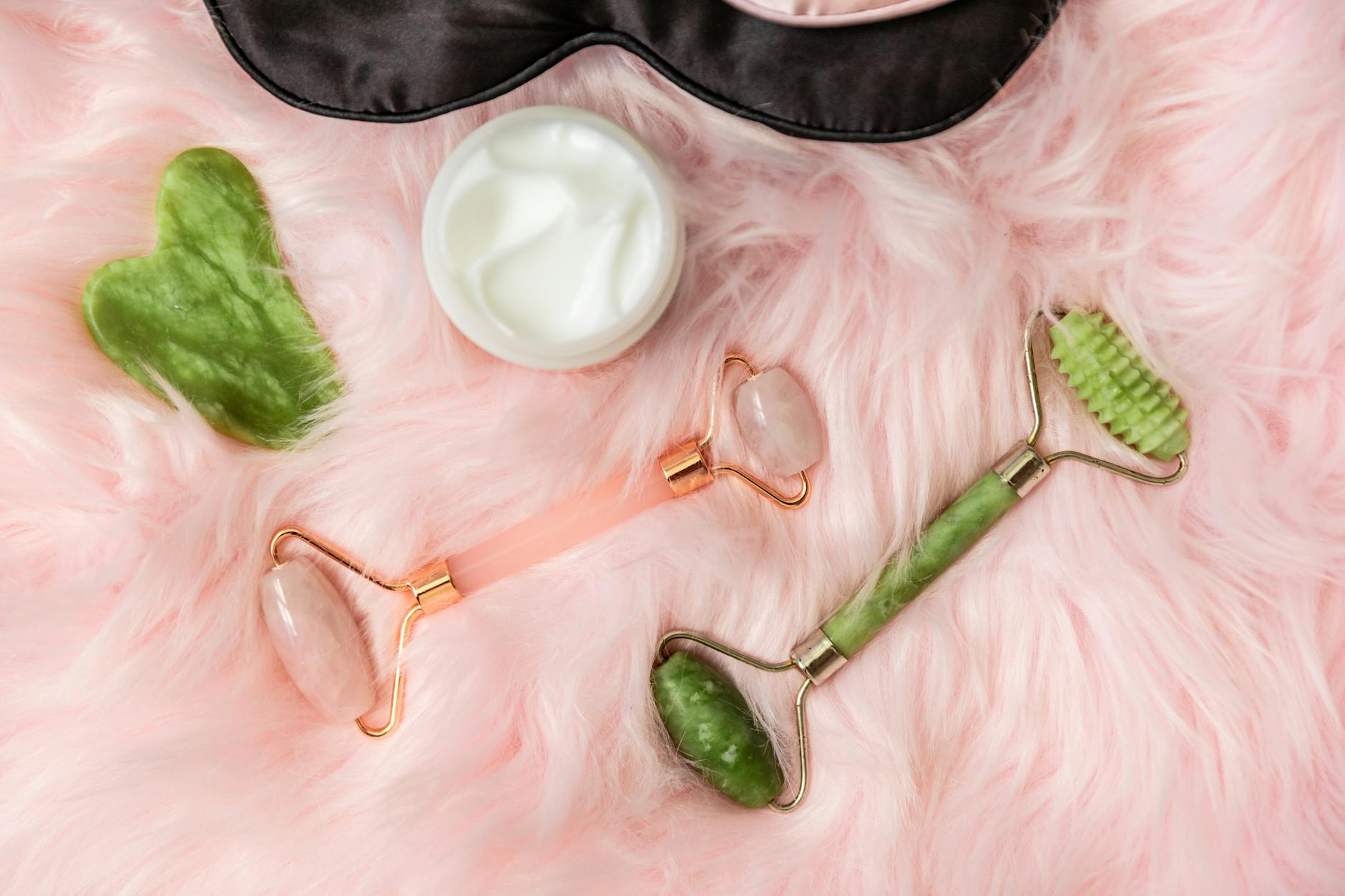
What once required a trip to the dermatologist’s office now happens in bathroom mirrors across America. Brands like Dermaflash and Finishing Touch have popularized consumer-grade dermaplaning devices, making the technique accessible to brides on any budget. These tools feature safety guards and ergonomic handles designed to minimize the risk of cuts while maximizing dead skin removal.
The at-home dermaplaning market has exploded alongside social media tutorials showing the dramatic before-and-after results. TikTok videos tagged with #dermaplaning have garnered millions of views, with beauty influencers demonstrating proper technique and showcasing the immediate smoothness achieved after a single session. The visual nature of the results – literally scraping away visible peach fuzz and dead skin – makes for compelling content that drives product sales.
Professional estheticians initially resisted the DIY trend, concerned about safety and proper technique. However, many now offer “dermaplaning education” sessions where they teach clients proper blade angles and pressure to prevent injury. The compromise has created a new revenue stream while ensuring safer at-home practices.
Why Makeup Artists Demand Pre-Dermaplaned Skin
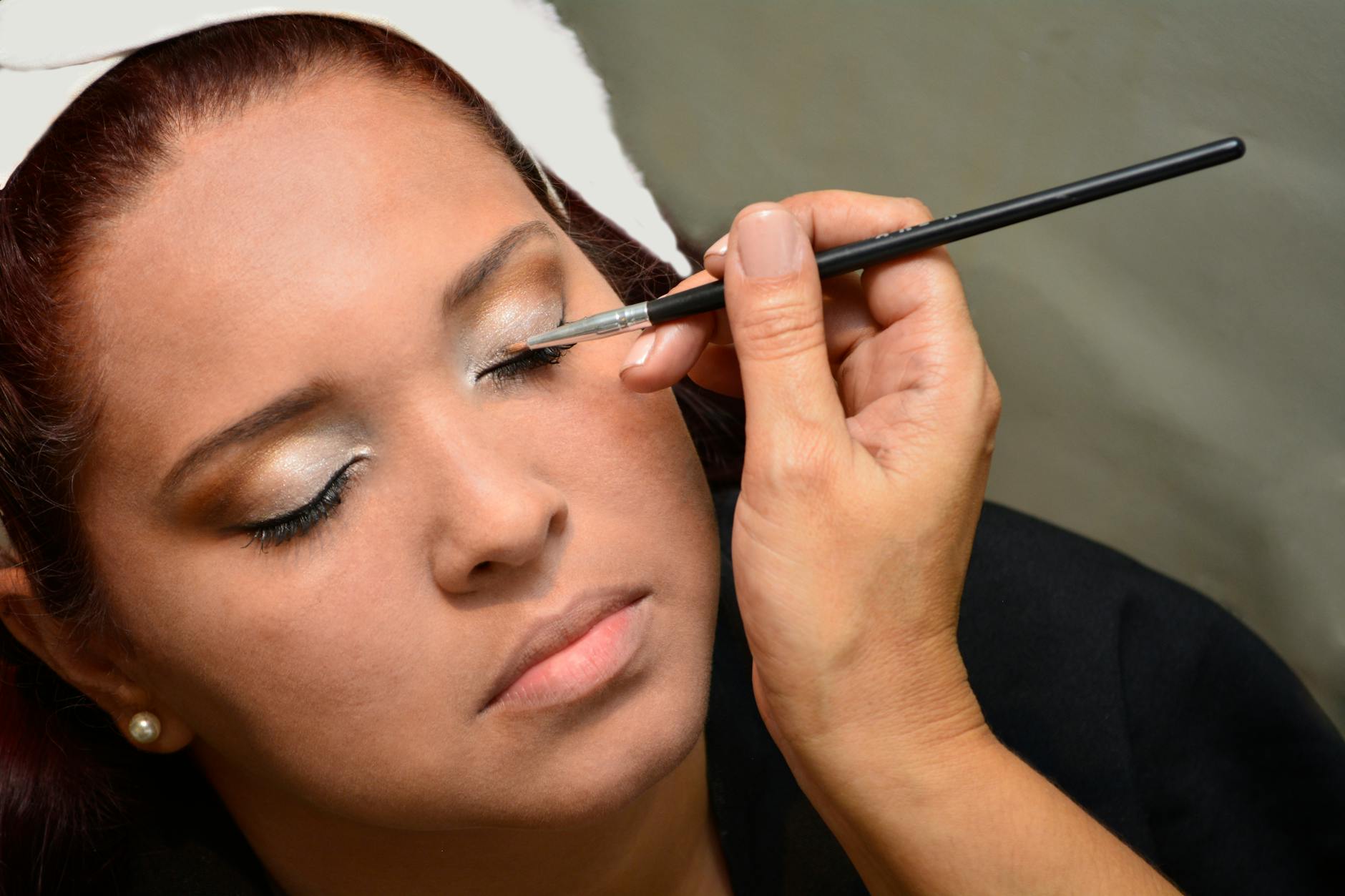
Wedding makeup artists have become the biggest advocates for pre-event dermaplaning. The technique removes vellus hair – the fine “peach fuzz” covering most faces – that can trap makeup and create a textured appearance under photography lights. Without this hair, foundation applies more evenly and appears more natural in both person and in photos.
Beyond hair removal, dermaplaning provides immediate exfoliation that traditional scrubs can’t match. The surgical blade removes the top layer of dead skin cells, revealing fresh skin underneath. This process eliminates the flaky patches that can make makeup look cakey and creates the smooth surface needed for seamless blending.
Professional makeup artist Mario Dedivanovic, known for his work with Kim Kardashian, has spoken publicly about requiring dermaplaning for certain high-profile events. He explains that the technique is particularly crucial for HD photography and video work, where every imperfection becomes magnified. Wedding photographers using similar high-resolution equipment benefit from the same smooth canvas.
The Science Behind Better Makeup Application
Dermatologists explain that dermaplaning works by physically removing barriers to smooth makeup application. Dr. Joshua Zeichner, Director of Cosmetic and Clinical Research in Dermatology at Mount Sinai Hospital, notes that the procedure eliminates two key obstacles: accumulated dead skin cells and fine facial hair that can interfere with product adherence.
The immediate results are visible to the naked eye. Clients report that their skin feels noticeably smoother after dermaplaning, with makeup gliding on more easily and lasting longer throughout the day. The technique also allows skincare products to penetrate more effectively, maximizing the benefits of pre-wedding facial treatments.
Professional-grade dermaplaning tools use surgical-quality stainless steel blades set at a precise 45-degree angle. This angle provides optimal hair removal while minimizing the risk of cuts or irritation. Consumer versions replicate this design with safety features like guards and rounded blade edges that make the technique more forgiving for inexperienced users.
The timing of dermaplaning sessions has become crucial for bridal beauty schedules. Most professionals recommend the procedure 2-3 days before the wedding to allow any minor irritation to subside while maintaining the smooth results. This timing also aligns with other pre-wedding treatments, such as chemical peels that have become essential for wedding season prep among millennials.
Integration with Professional Beauty Services
High-end salons and medical spas have incorporated dermaplaning into comprehensive bridal beauty packages. These multi-service appointments often combine dermaplaning with hydrating facials, professional makeup trials, and sometimes ultrasonic skin scrubbers for deep cleansing to create the ultimate pre-wedding skin preparation.
The treatment fits seamlessly into the modern bridal beauty timeline, which typically extends 3-6 months before the wedding date. Brides often schedule monthly dermaplaning sessions leading up to their wedding, with the final session timed perfectly for optimal results on the big day. This regularity helps maintain consistently smooth skin and allows the bride to become comfortable with any temporary redness or sensitivity.
Wedding planners have begun incorporating dermaplaning appointments into detailed beauty schedules, treating it as essential as the final dress fitting or rehearsal dinner. The procedure’s quick 30-minute duration makes it easy to fit into busy pre-wedding schedules without requiring significant time commitments.
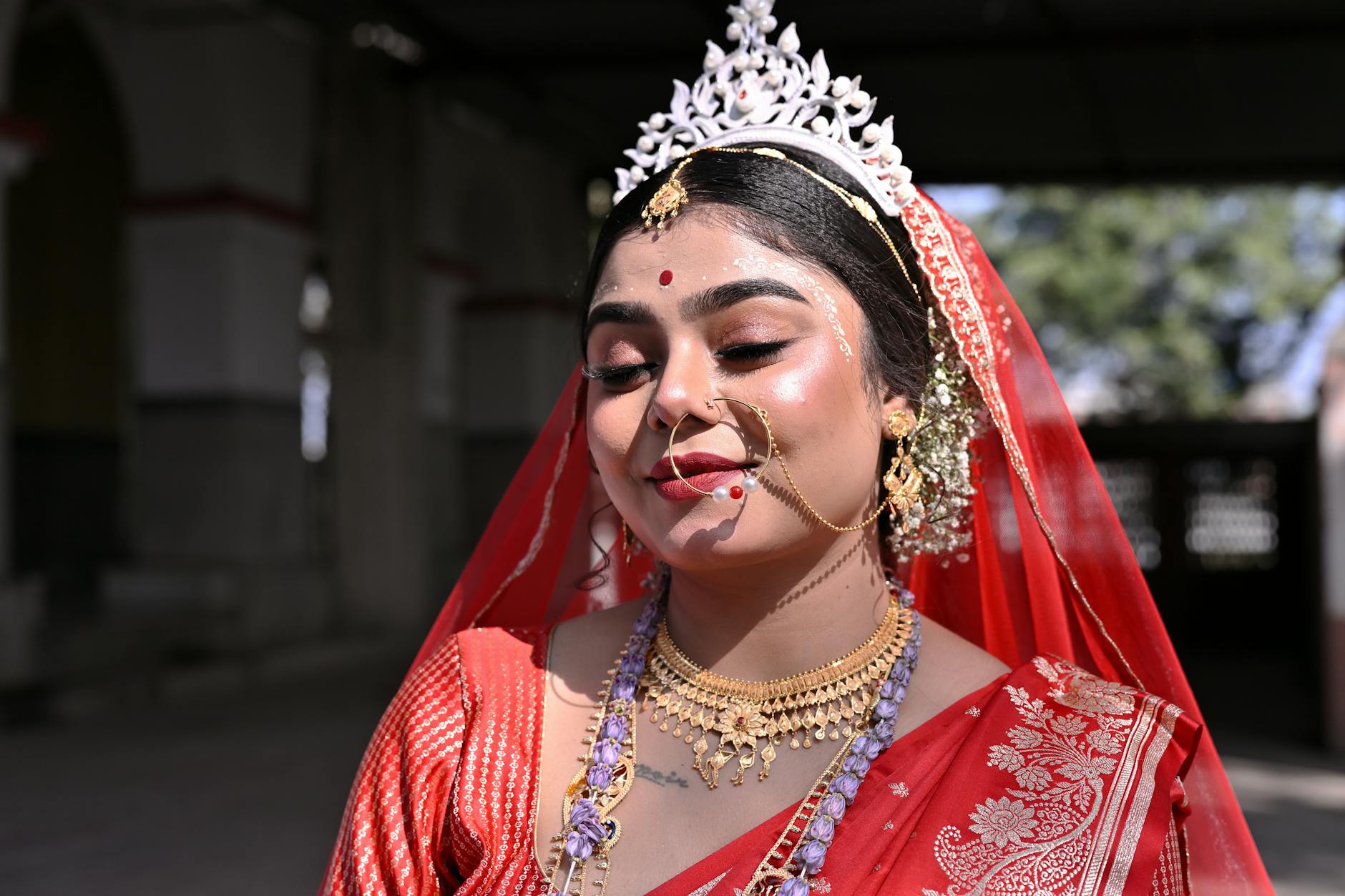
The dermaplaning revolution shows no signs of slowing as more brides discover its transformative effects on makeup application. With new at-home devices entering the market regularly and professional techniques becoming more refined, the practice is likely to become as standard as pre-wedding manicures. As photography technology continues to advance and social media puts increasing pressure on flawless wedding documentation, dermaplaning provides the smooth canvas that modern brides demand for their most important day.
Frequently Asked Questions
How long before a wedding should you dermaplane?
Most professionals recommend dermaplaning 2-3 days before the wedding to allow any minor irritation to subside while maintaining smooth results.
Can you do dermaplaning at home before your wedding?
Yes, at-home dermaplaning tools with safety features are available, though many brides prefer professional sessions for their wedding preparation.