




A Homecoming Nobody Agreed to Script
Harry and Meghan are returning to the United Kingdom at a moment when the British press is being forced to reckon with itself – not quietly, not privately, but in full public view, against the backdrop of Jason Arday’s death and the debate it ignited about how media targets its subjects.
The Timing Could Not Be More Charged
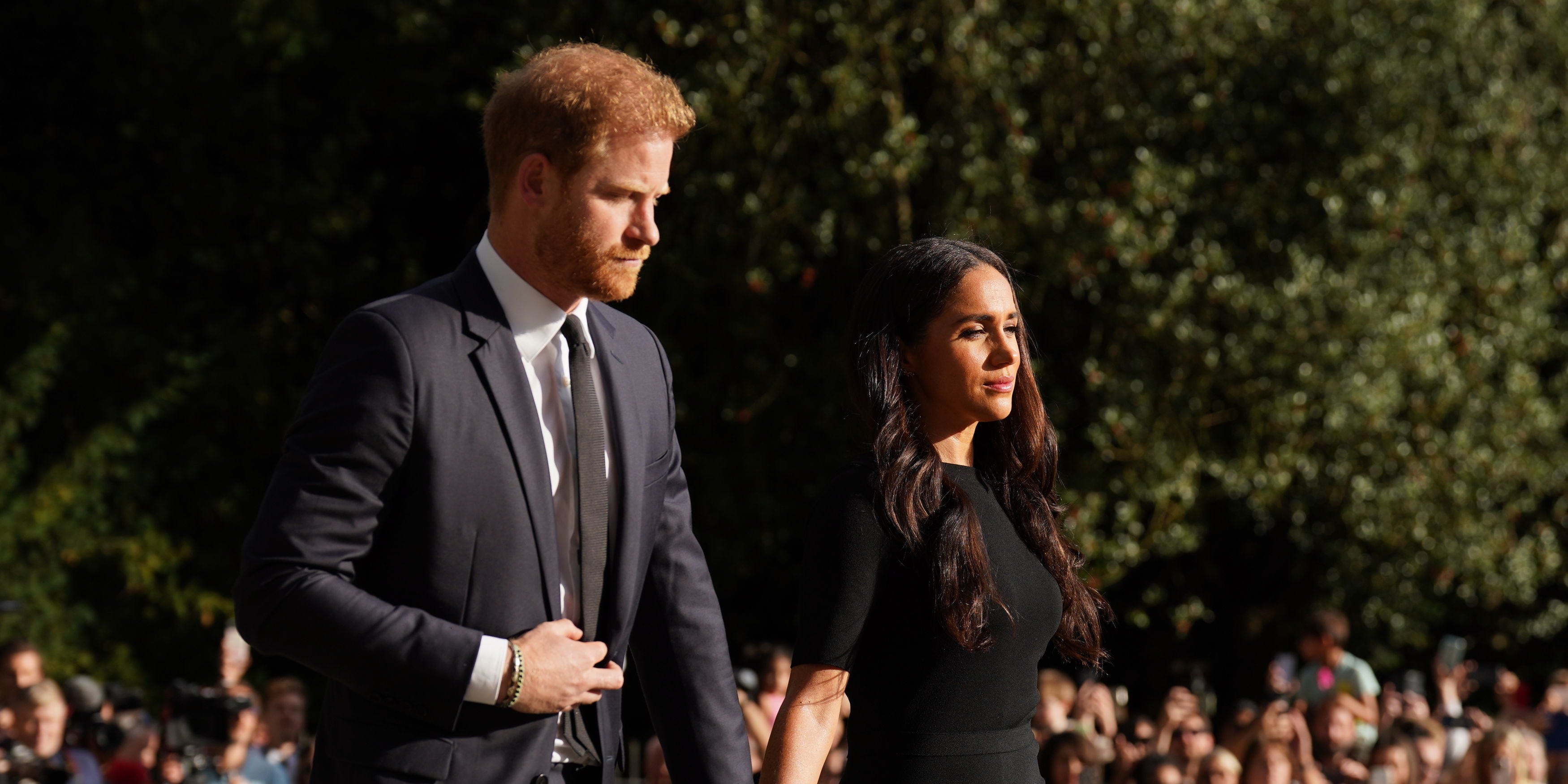
Jason Arday’s death threw a harsh light on the machinery of British tabloid culture and who gets ground up inside it. The conversation it sparked – about race, visibility, and the sustained psychological weight of press scrutiny – arrived just as Harry and Meghan’s return to the U.K. moved from rumor to reality. That collision of events is not incidental. It shapes the entire atmosphere around their homecoming in a way that would not have existed even two years ago.
What the Duke and Duchess of Sussex are walking back into is not the same press environment they left, at least not on the surface. The debate triggered by Arday’s death gave editors, columnists, and media critics a reason – arguably, an obligation – to publicly examine how British outlets have historically treated people who sit at the intersection of celebrity, race, and royal adjacency. Whether that examination produces any behavioral change in coverage is a different question entirely.
Meghan, in particular, has been one of the most documented cases of sustained negative press attention in recent British royal history. Since her relationship with Harry became public, tabloids ran a pattern of coverage that drew direct comparisons to how her white counterparts were treated for identical actions. The double standard was catalogued, called out, and largely continued anyway. The question now is whether returning to British soil gives the press a reset, or simply a new chapter of the same story.
Harry has been explicit, in interviews and in his memoir Spare, about his belief that the British press was not just unkind to Meghan but actively hostile in ways connected to her race. He has also drawn direct lines between press intrusion and the death of his mother, Princess Diana. These are not abstract grievances for him. They are the stated reasons he and Meghan left. Coming back means re-entering the orbit of institutions he has described in those terms, and doing so at a moment when those institutions are being asked to answer for their conduct.
Style, Identity, and the Scrutiny That Never Left
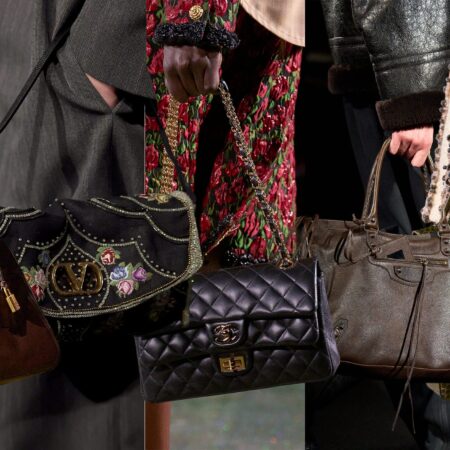
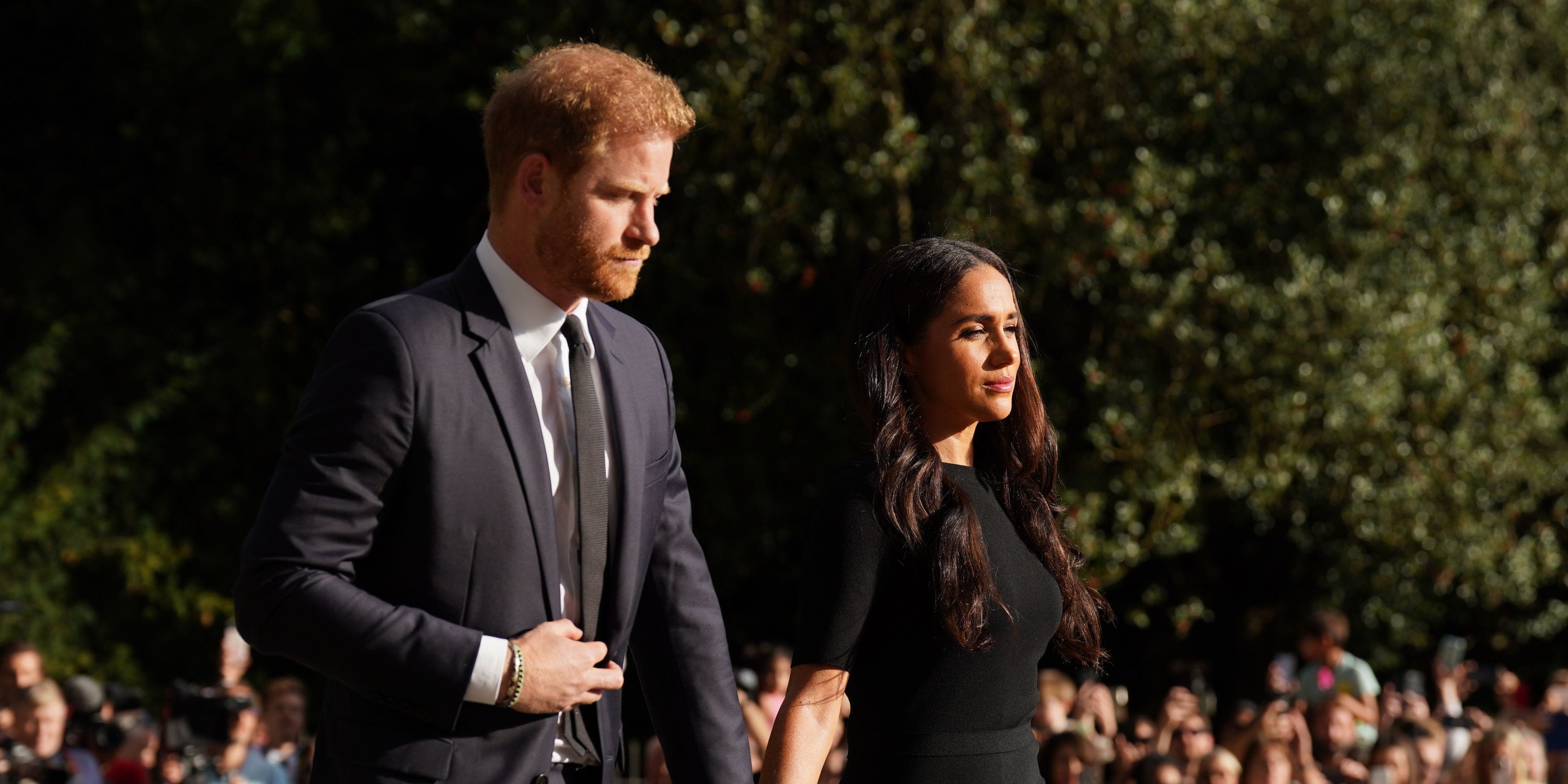
Meghan’s fashion choices have never been treated as fashion choices alone. From the beginning of her public life as a royal, her wardrobe was filtered through a lens that read politics and provocation into sleeve lengths, color palettes, and designer selections that other women in her position wore without comment. A darker lipstick became a statement. A form-fitting dress became a controversy. The style press and the tabloid press became functionally indistinguishable when Meghan was the subject, each feeding the other’s framing.
That dynamic has real consequences for how a return gets narrated. Whatever Meghan wears on her first significant public appearance back in the U.K. will be dissected with an intensity that has nothing to do with hemlines. Every designer she chooses – British or not, established or emerging – will be read as a signal. Every absence of a British label will be noted. Every presence of one will be called calculated. The coverage of her appearance will carry the full weight of the political story beneath it, because it always has.
Harry’s public image, by contrast, has been filtered primarily through the lens of betrayal – of the institution, of the family, of some imagined compact between royals and their press corps. His choices in clothing and appearance register differently, as they always have for men in royal contexts. The asymmetry is part of the story. Meghan absorbs the aesthetic scrutiny; Harry absorbs the dynastic judgment. Both are forms of reduction, and both will almost certainly resurface the moment they land.
What the fashion world actually has at stake here is less obvious but not negligible. British designers had a complicated relationship with Meghan during her time as a working royal. Some dressed her eagerly; others kept distance that was never fully explained. Her return opens that question again – who reaches out, who waits, who calculates the risk of association at a moment when her presence is guaranteed to generate controversy regardless of what she does.
The conversation around Jason Arday introduced something specific into the current British cultural moment: an explicit acknowledgment that press attention, at its most sustained and hostile, does not stay on the page. It follows people home. It compounds. For anyone who has watched Meghan navigate the last several years – the miscarriage she disclosed publicly, the mental health struggles she described in the Oprah interview, the exit from royal duties that the couple framed as survival – that framing lands with particular weight. The press did not only cover their story. It participated in shaping the conditions they were living inside.
What “Different” Would Actually Have to Look Like
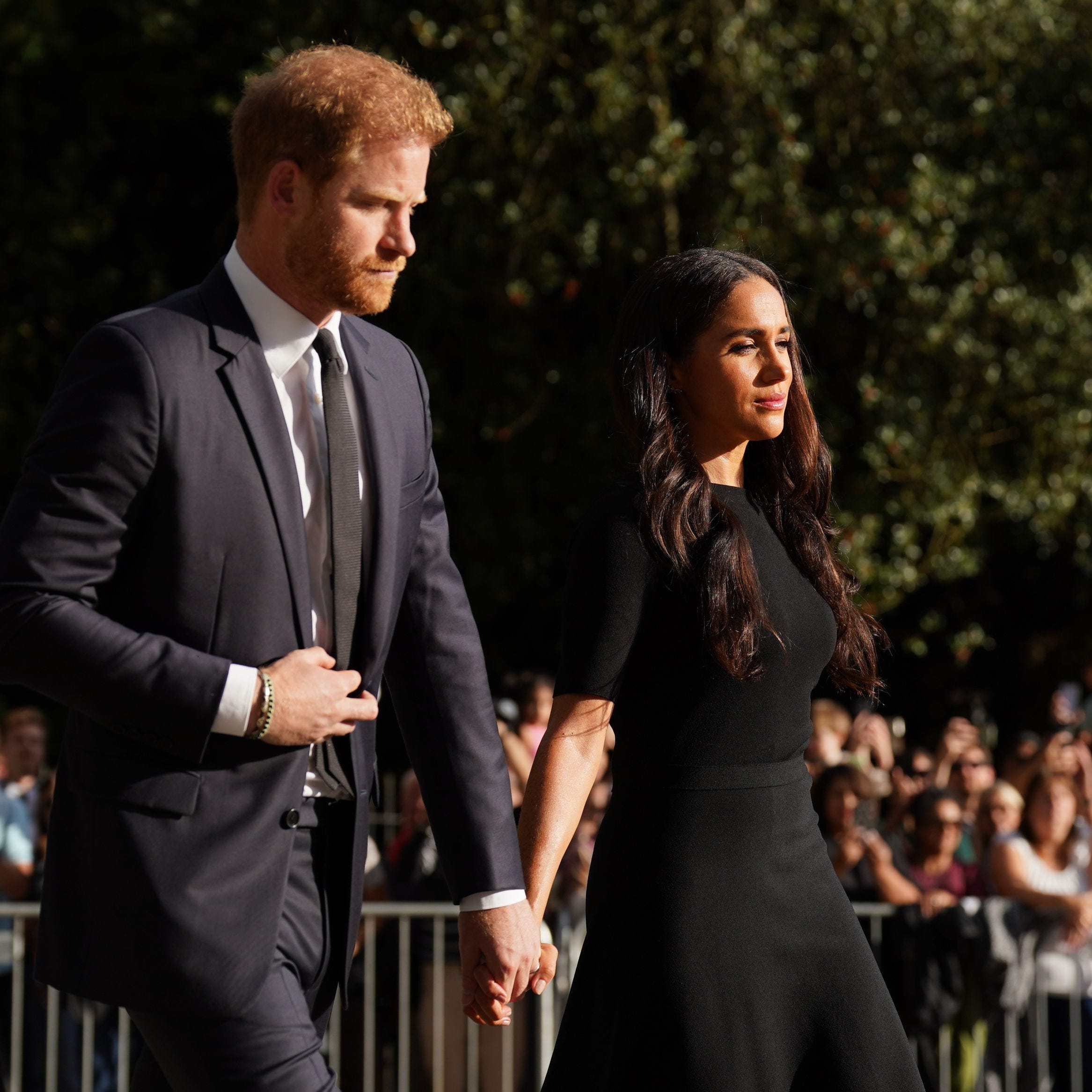
The structural incentives that produced the original coverage have not changed. British tabloids operate in a contracting print market where royal stories, and particularly divisive royal stories, still generate reliable traffic. Harry and Meghan are, commercially speaking, exactly what struggling outlets need. Promising different coverage requires editors to act against the economic logic of their own industry, and there is no indication that the Arday debate produced the kind of industry-wide reckoning that would make that likely.
What has changed, potentially, is the audience’s awareness of the gap between what the press says it does and what it actually does. Readers who watched the coverage of Meghan in real time, then watched the Oprah interview, then read Spare, have a documented record to compare against new dispatches. That accountability – informal, distributed across social media, but real – is a different kind of pressure than anything the press faced the first time around. Whether that pressure holds, or whether the appetite for the old story simply proves stronger, is the thing nobody can answer cleanly yet.