




Trade policy has overtaken geopolitical instability as the primary anxiety keeping footwear industry leaders awake at night. New survey data reveals that tariffs now dominate boardroom discussions more than international conflicts, including the ongoing Middle East crisis.
The shift marks a dramatic recalibration of corporate risk assessment. Where military tensions once topped executive worry lists, import duties and trade barriers have claimed the number one spot heading into 2026.

Trade Barriers Eclipse Military Tensions
The Willis survey findings expose how deeply trade uncertainty penetrates business planning cycles. Footwear companies, heavily dependent on global supply chains, face direct bottom-line impacts from tariff fluctuations that wars in distant regions simply cannot match.
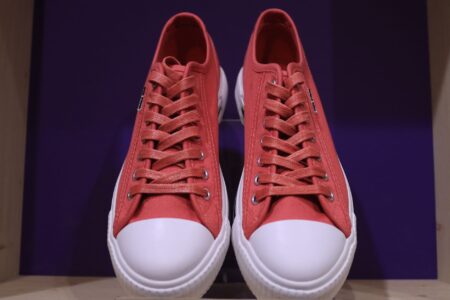
Manufacturing costs spike immediately when new trade restrictions take effect. A 15% tariff on Vietnamese-made sneakers translates to millions in additional expenses within months, while geopolitical instability creates more diffuse, longer-term concerns that executives can often navigate around.
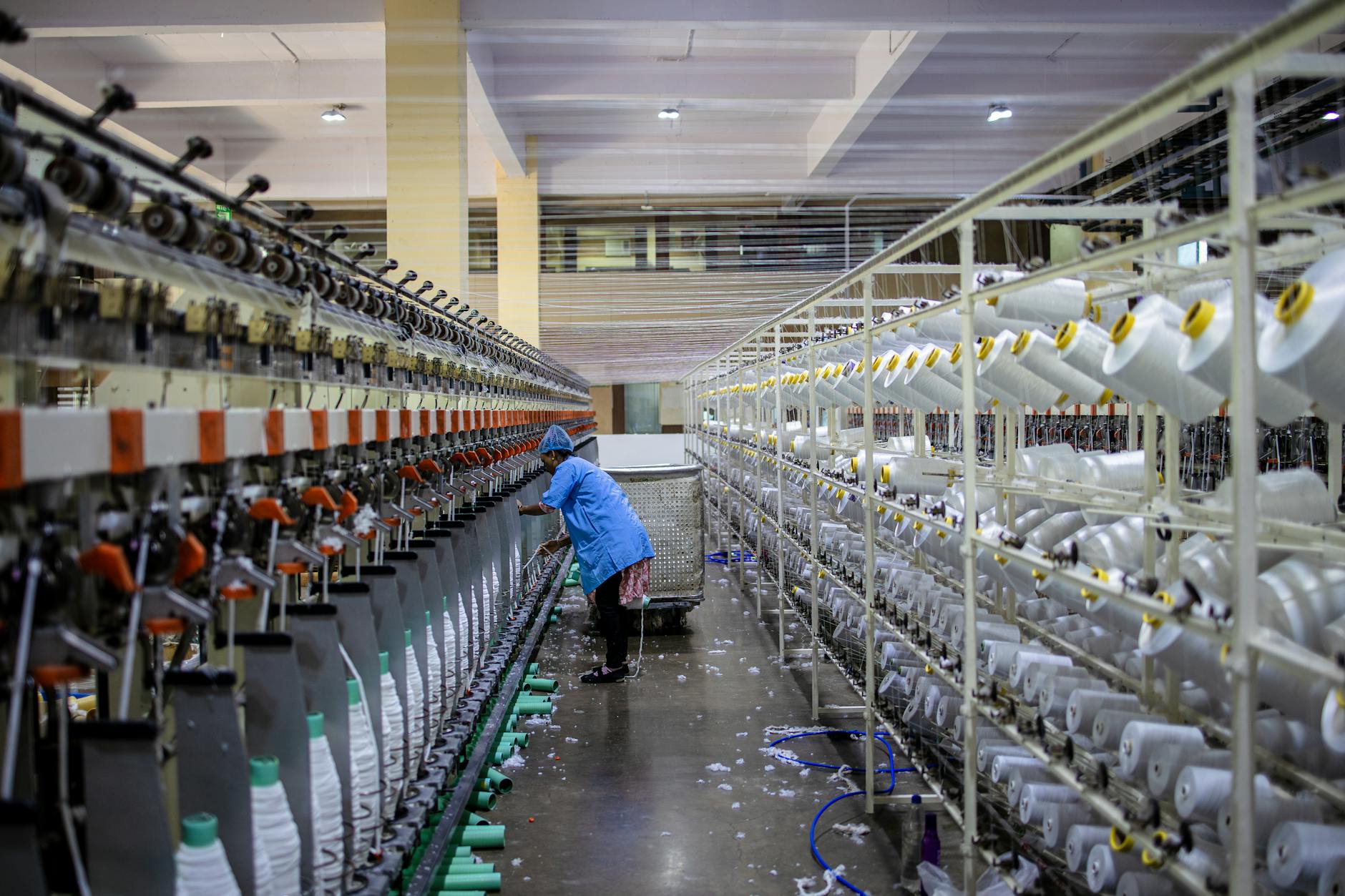
Supply chain diversification strategies consume significant resources as companies scramble to relocate production ahead of potential trade policy changes. Nike, Adidas, and smaller footwear brands have spent billions shifting manufacturing between countries based on tariff threat assessments rather than pure operational efficiency.
Regional Conflicts Take Backseat
Middle East tensions, despite their severity, register lower on corporate anxiety scales because most footwear production occurs in Asia-Pacific regions. The geographic separation creates a buffer that tariffs eliminate entirely.
European luxury shoe manufacturers worry more about U.S. import duties than regional security issues that rarely disrupt Italian or French production facilities directly.
Economic Nationalism Reshapes Industry Planning
Political rhetoric around domestic manufacturing has intensified across major consumer markets, forcing footwear executives to game out scenarios where trade protection becomes permanent rather than cyclical. Campaign promises about bringing shoe production “back home” carry real financial implications that extend beyond election cycles.
Cost modeling now includes tariff probability assessments alongside traditional inputs like labor rates and shipping expenses. Finance teams run multiple scenarios based on different political outcomes, something rarely required for war-related disruptions.
The footwear industry’s global integration makes it particularly vulnerable to nationalist trade policies. A single athletic shoe might incorporate components from eight countries before reaching retail shelves, creating multiple tariff exposure points that military conflicts typically do not affect.
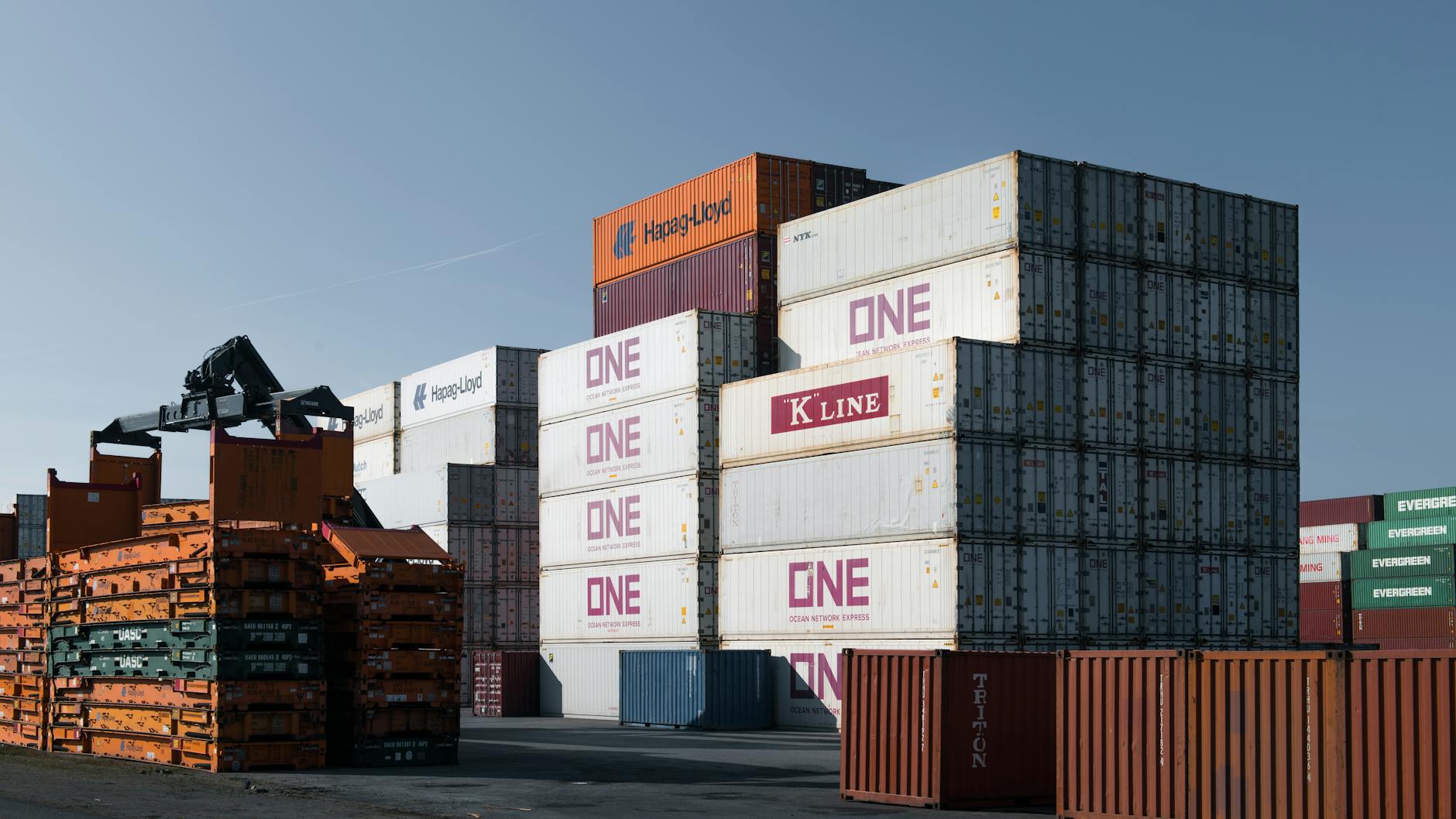
Inventory management strategies have evolved to include “tariff hedging” where companies stockpile products ahead of anticipated trade policy announcements. This approach proves more effective against trade restrictions than the force majeure insurance policies designed for war-related disruptions.